
Powder Post Beetles in Furniture: Identification and Control
Signs of Infestation Pin-sized holes in wood with fine, flour-like sawdust beneath indicate powder post beetles—small, brownish, wood-eating insects about ⅛ inch long. Treatment Challenges Because finished furniture (st

Mycorrhizae for Oaks: Worth the Cost or Just Mulch?
Evaluating Tree Inoculation Services A tree service proposes inoculating root zones with mycorrhizal spores and biostimulants to improve nutrient uptake and drought resistance. Are these treatments necessary? When Mycor
Seeding Bermudagrass: Mix, Rates, and Improved Varieties
Getting Even Distribution Bermudagrass seed is tiny. Mix 10 parts dry sand to 1 part seed. Apply with a whirly spreader at smallest opening—2 lbs seed per 1,000 sq ft. Make overlapping passes in two perpendicular directi
Deadheading Heirloom Petunias: Balancing Blooms and Reseeding
The Deadheading Dilemma Deadheading removes faded flowers—but also seed pods. Skip it entirely, and bloom production drops sharply. The solution: deadhead only half the flowers every three weeks. Seed-Saving Method All
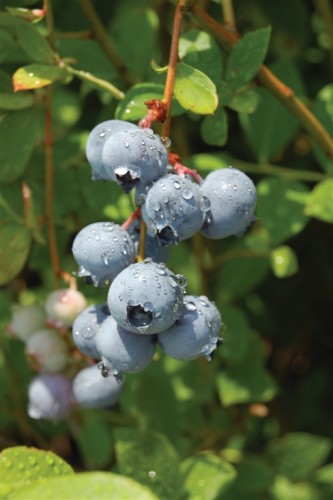
Pruning Rabbiteye Blueberries for Maximum Fruit
Post-Harvest Pruning Strategy Blueberries fruit heaviest on new horizontal limbs. After harvest: Remove the oldest, tallest limbs on each plant. Keep plant height under 7 feet. Leave several leafy sprouts from ground le
Propagating Tiger Lilies from Bulbils, Bulblets, and Seed
Three Ways Tiger Lilies Multiply Tiger lilies propagate via: Bulbils – small bulbs forming between leaf and stem. Bulblets – offsets developing next to the parent bulb underground. Seed – from pods behind pollinated flo
Why 'Little Richard' Abelia Sprouts Tall Shoots—and What to Do
Understanding Reversion in Dwarf Shrubs Little Richard abelia is a sport of Abelia grandiflora Sherwoodii, selected for compact 2–3 foot growth. However, Sherwoodii occasionally produces reversions—limbs that revert to t
Best Low-Maintenance Houseplants for Apartments
Tough Plants That Thrive on Neglect Not all houseplants demand constant attention. These six tolerate low light, irregular watering, and apartment living: Peace lily (Spathiphyllum) Snake plant (Sansevieria trifasciata)
Tree Staking Gone Wrong: Saving a Leyland Cypress with Embedded Tie
The Dangers of Leaving Staking Ties Too Long Tree staking ties must be removed after 6–12 months. This 7-year-old, 15-foot Leyland cypress still has its original tie—now embedded in the trunk. The rope with plastic sleev
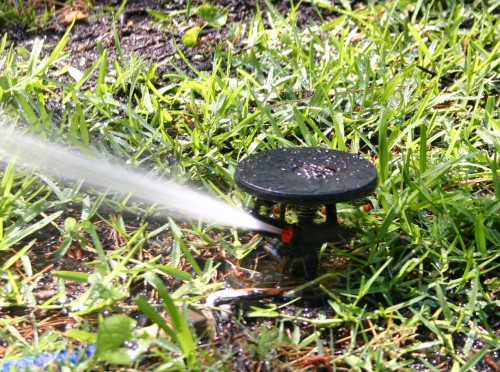
Winterizing Your Sprinkler System: Simple Steps
Drain the System Before Freezing Temperatures The goal is to remove most water from pipes before extreme cold arrives. Follow these steps: Turn off the water supply valve to the irrigation system. Run the timer through
Savoy Cabbage vs. Savoy Spinach: The Jeopardy Question Explained
The Gritty Truth About Savoy Leaves A Jeopardy clue asked about washing grit from curly- as well as smooth-leaved variety of this savoy vegetable. The contestant answered cabbage, but the correct response was spinach. He
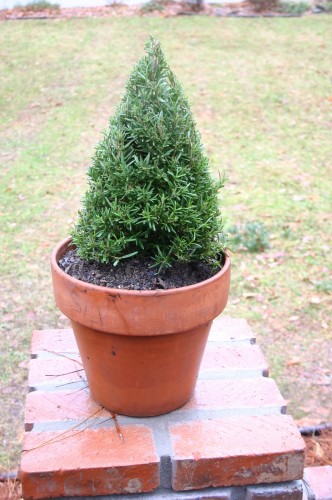
Growing Rosemary Indoors: Tips for Success
Rosemary Hardiness and Indoor Care Rosemary is hardy outdoors in Atlanta and similar climates (USDA zones 7–8). Most gardeners leave plants in the garden year-round, pruning winter-damaged limbs in spring. Varieties like
Asparagus Harvesting and Weed Control: A Complete Guide
Harvesting Asparagus for Maximum Yield Harvest asparagus by snapping 7- to 9-inch spears with tight tips. Theres no need to cut below the soil with a knife, as this can injure other buds on the crown that will produce ne
Ants on Houseplants: They're Farming Pests, Not Eating Your Plants
Ants on your ficus and jade arent after the plants—theyre harvesting honeydew from sap-sucking insects like mealybugs, scale, or aphids. Control the pests, and the ants leave. Two Low-Toxicity Solutions Barrier method:
Plum Tree Blooming in January: Genetics, Not Weather, Drives Early Flowers
Your plum blooms in January because its genetics say bloom after chill hours are met, not because it reads a calendar. A December cold snap followed by January warmth triggers flowering. No cultural practice—fertilizer,
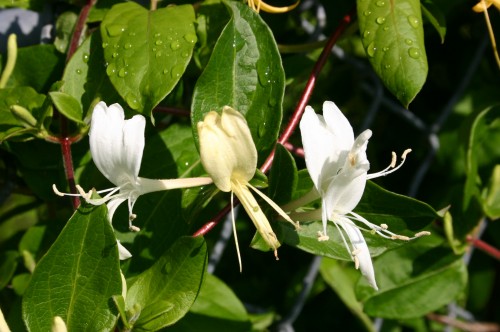
Removing Japanese Honeysuckle from Forsythia Without Harming the Shrub
Japanese honeysuckle smothering forsythia blooms is a classic problem. Spraying herbicide on the vine risks damaging the forsythia—many herbicides absorb through thin bark. Instead, use a mechanical-chemical combo. Step
Grafting Cherry onto Bradford Pear: Impossible
Pear (Maloideae) and cherry (Prunoideae) are both Rosaceae but different subfamilies—not compatible. Like apes vs humans: same family, cant swap organs. Remove Bradfords, plant better trees (flowering cherry, crabapple,
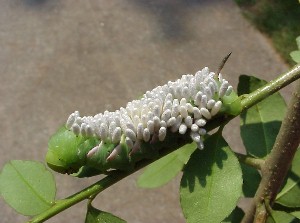
Tomato Hornworm Parasitized by Braconid Wasps: Nature's Pest Control
Your jar experiment revealed a fascinating biological drama. Those white tubes on the hornworm are cocoons of braconid wasps. Females inject eggs into the caterpillar; larvae feed internally, then emerge to spin cocoons.
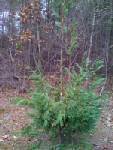
Repairing Vandalized Leyland Cypress: Splinting a New Leader
Q: Neighbor kids stripped limbs from 2 of my 3-year-old Leyland cypresses (8-10 ft). Will they regrow or need replacement? Try saving them: Cut trunk 1″ above highest healthy branch. Attach broomstick/dowel vertically t
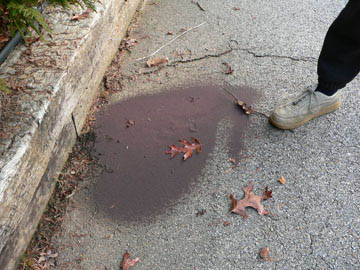
Springtails (Collembola): Tiny Jumpers on Driveways After Rain
Q: Purple-ish moving mass on concrete after warm December rain. Tiny bugs. Invasion? Springtails (Collembola)—tiny, forked tail jumps them a few mm. High organic matter + moisture = springtails. Colors: white, pink, yell
Copyright © www.100flowers.win Botanic Garden All Rights Reserved