

Propagating Jade Plant (Crassula ovata) from Leaf Cuttings
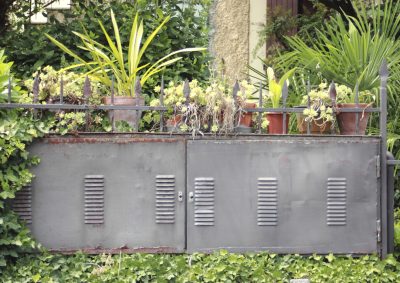
Jade plants rarely flower indoors, so seed isnt practical. Leaf cuttings are foolproof and fast. Step-by-Step Select healthy leaves. Snap off plump, mature leaves cleanly at the stem. Callus 1–2 days. Let cut ends dry

Finding Heirloom Vegetable Communities in the Southeast
Sue Sticklands Heirloom Vegetables is a great entry point. Here are active networks and resources for heirloom seed saving and exchange in the region: Organizations & Networks Georgia Organics (770-621-4642) – Connects
Gibbing Camellias: Using Gibberellic Acid for Earlier, Larger Blooms
Gibbing is the practice of applying a drop of gibberellic acid (GA₃) to the vegetative bud adjacent to a flower bud on Camellia japonica. This plant hormone stimulates earlier flowering and often larger, more perfect blo
Estimating Live Oak Age: Why Diameter Doesn't Tell the Whole Story
You cant reliably age a live oak by trunk diameter alone. A 100-year-old tree in ideal conditions—deep soil, consistent moisture, full sun—can be twice the diameter of its same-aged counterpart in compacted, dry, or shad
Reviving a Neglected Devil's Backbone (Pedilanthus tithymaloides)
Fifteen months in a dark room without water—and its still alive. Thats the remarkable resilience of Pedilanthus tithymaloides (Devils backbone, zigzag plant). Heres a step-by-step recovery plan. Immediate Steps Move to
Watering Before a Freeze: Why Hydrated Plants Survive Better
It seems counterintuitive, but watering tender perennials before a hard freeze is one of the best things you can do. Well-hydrated plants tolerate cold stress far better than drought-stressed ones. The Science Water ac
Hand-Pollinating Amaryllis: From Flower to Seed in Three Years
Youve done exactly the right thing. Amaryllis (Hippeastrum) flowers are large and easy to work with: simply remove a pollen-laden stamen from one flower and brush it onto the sticky stigma of another. If fertilization su
Broom Sedge: Not a Sedge, But a Useful Native Grass
Despite its common name, broom sedge (Andropogon virginicus) is a warm-season bunchgrass, not a true sedge. Its a familiar sight in old fields, roadsides, and pastures across the Southeast—often dismissed as a weed, but
Wax Scale on Boxwood: Identification and Treatment Timing
Those white, rounded bumps on your boxwood stems with blood-red undersides are almost certainly wax scale (Ceroplastes spp.). Adult females protect themselves with a thick, white waxy coating while feeding on plant sap.
Safe Indoor Flea Control with a Toddler in the Home
When a 16-month-old is crawling around, chemical flea treatments indoors are best avoided. The most effective—and safest—approach is mechanical removal combined with targeted outdoor control. Daily Vacuuming: Your First
Leafcutter Bees in Mortar: Identification and Management
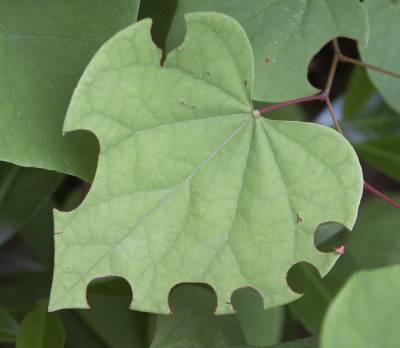
If youve noticed pencil-sized circular holes in your brick mortar plugged with green leaf fragments, youre likely hosting leafcutter bees. These solitary, non-aggressive pollinators dont bore into wood like carpenter bee
Composting Treated Lawn Clippings: What You Need to Know
Lawn clippings from professionally treated turf can go in your compost—with caveats. Most common herbicides break down during composting. But persistent ones like clopyralid (in Confront™) survive and can damage tomatoes
Top Plant Reference Websites for Gardeners
Reliable Online Plant Databases University of Georgia Horticulture – fact sheets for Georgia-adapted flowers, trees, shrubs. Botany.com – extensive global plant list with care info. Floridata – comprehensive plant profi
Pollinating 'Emily Bruner' Holly: Alternatives to 'James Swan'
Holly Pollination Groups Auburn University classifies hollies into three pollination groups. Emily Bruner females are pollinated by Group 1 males. Besides James Swan, suitable males include John Morris and Edward Stevens
Fertilizer Overdose on Lawn: Recovery Steps for Bermuda and Zoysia
The Damage Standard rate for 34-0-0 is 3 lbs/1,000 sq ft. You applied 8× that (three 40-lb bags on 5,000 sq ft). Grass wilts and browns from nitrogen toxicity. Recovery Plan Irrigate every few days to leach excess nitr
Brown Patch in Zoysia: Why Soil Tests Won't Detect It
Soil Tests Measure Nutrients, Not Fungi Extension soil tests only check nutrient levels. Testing for fungi is futile—thousands of species exist, and labs cant distinguish harmful from harmless ones. Brown patch fungi lik
Asian Ambrosia Beetle in Cherry Tree: Why Coppicing Won't Work
Those toothpicks (frass tubes) on your Kwanzan cherry confirm Asian ambrosia beetle. Unlike crapemyrtle, which resprouts vigorously from the ground, cherry trees dont regenerate well from stumps. The beetle introduces a
Leaflets vs. Leaves: The Poison Ivy Rhyme Debate
Botanical Accuracy vs. Common Understanding Technically, poison ivy and Virginia creeper have leaflets, not leaves. But the classic rhyme uses leaves of three, let it be and leaves of five, let it thrive. The author chos
Seashore Paspalum: A Salt-Tolerant Grass for Southern Lawns
Characteristics and Adaptation Native to South Africa and South America, seashore paspalum tolerates saline water and drought. Its being tested on golf courses, highways, and wastewater sites. Appearance and Maintenance
Azalea Leaf Drop in Winter: Normal or Problem?
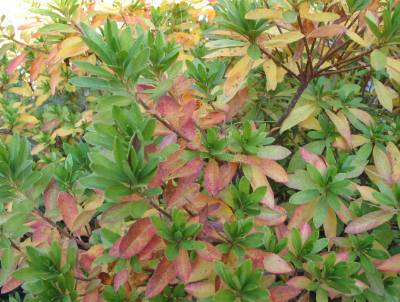
Semi-Evergreen Behavior Some Oriental azaleas (like George L. Taber) are semi-evergreen. Depending on temperature, they may drop up to ¾ of their leaves in winter. Spring-produced leaves (lower on branches) drop most; su
Copyright © www.100flowers.win Botanic Garden All Rights Reserved