



Planting Four O'Clocks (Mirabilis jalapa)
Four oclock roots are forgiving; plant them with the thick end up. They self-sow prolifically, so expect volunteers for years. In time, you may need to manage their spread.

Controlling Crabgrass After It Sprouts
If crabgrass appears despite a spring pre-emergent application, a second pre-emergent treatment now can still suppress it. Dithiopyr is unique in also killing small, emerged crabgrass seedlings. Strategy Apply a second
Identifying and Managing Giant Bark Aphids
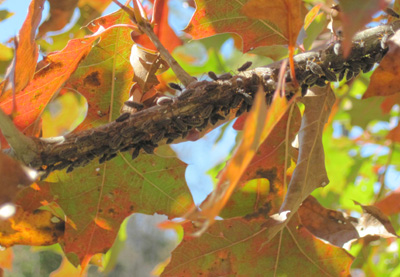
Large numbers of yellowjackets around a tree often indicate honeydew-producing insects. Giant bark aphids (Longistigma caryae) are a common culprit on oaks. Signs and Impact These aphids cluster on woody branches, secret
Managing Tent Caterpillars in Trees
Tent caterpillars create conspicuous white webs in branch crotches, especially on cherry trees. The larvae are voracious leaf-eaters but rarely kill trees. Control Options Mechanical: Tear open webs with a long pole to
Getting Tulips to Rebloom in the South
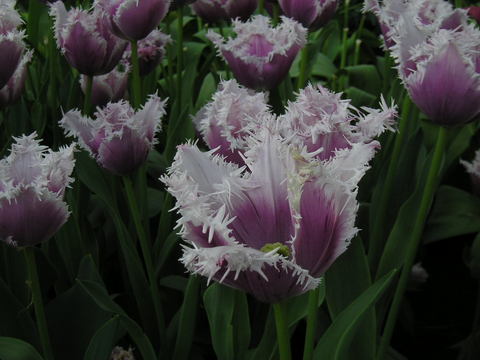
Tulips often behave as annuals in warm climates like Georgia because they need two months of cool, bright weather after flowering to rebuild energy—conditions rarely met in Southern springs. Improving Perennial Performan
Dividing and Caring for Red Hot Poker (Kniphofia)
Red hot poker, or torch lily (Kniphofia), grows from rhizomes and forms expanding clumps. Over time, crowding reduces flowering. When and How to Divide Spring is ideal. Remove young plants from the clumps edge without di
Overwintering Impatiens: Seed Saving vs. Root Survival
Impatiens are tender annuals that will not regrow from roots left in the ground over winter. However, they readily self-seed if conditions are right. Why Covering Roots Fails Impatiens seeds require light to germinate. B
How to Eradicate Chamberbitter (Mimosa Weed)
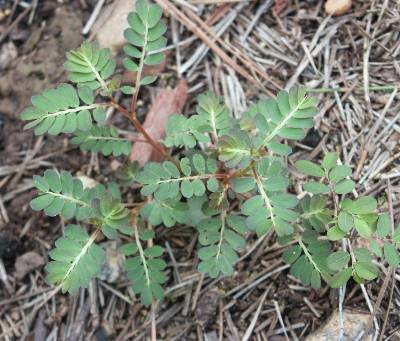
Chamberbitter (Phyllanthus urinaria), often called mimosa weed, is a tropical annual that invades lawns and beds. It can be controlled with post-emergent and pre-emergent herbicides. Post-Emergent Control Glyphosate: Sp
Controlling Bradford Pear Suckers and Wild Violets
Two persistent landscape problems—Bradford pear root suckers and invasive wild violets—can both be managed with the same herbicide: triclopyr (found in products like Ortho Weed B Gon Chickweed, Clover & Oxalis Killer
Pruning Meyer Lemon Trees: A Complete Guide
Meyer lemon trees benefit from regular pruning to maintain shape, improve air circulation, and encourage fruit production. The key is to prune at the right time and with the proper technique. When to Prune The best time
Identifying and Controlling Boxwood Leaf Miner
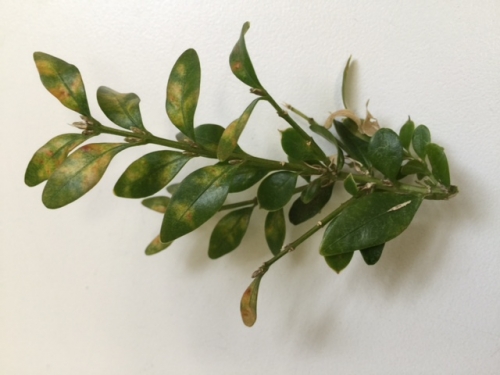
If your boxwoods have developed a mottled, yellow-brown appearance on last years growth, they are likely hosting the boxwood leaf miner. This tiny pest becomes noticeable in August when the damage peaks. Life Cycle and D

Is Composted Horse Manure Safe for Vegetable Gardens? E. coli Concerns
Composting reduces but does not eliminate E. coli. However, the vast majority of E. coli strains are harmless; only a few cause illness. Mixing composted manure into soil further reduces pathogens. The author grew up eat
Bottle Trees: Whimsical Garden Art That Repels 'Haints'
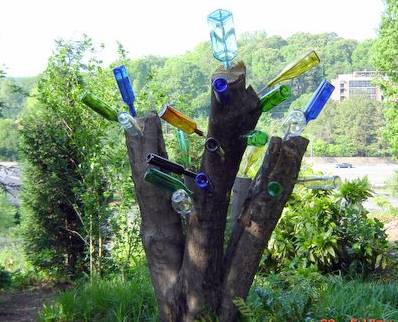
Bottle trees—dead trees or metal frames adorned with glass bottles—are a Southern folk tradition. They add color, whimsy, and (legend says) trap evil spirits (haints). The author uses gutter spikes on a fence post for hi
'JaMur' Zoysiagrass: A Promising Low-Maintenance Turf for Georgia
JaMur** (named for USDA breeder Jack Murray) is a medium-textured zoysiagrass with excellent density and color. In a 4-year neglect trial (no fertilizer, infrequent mowing, no irrigation, no pest control), it persisted w
Best Plants for Wet Spots: Turning an AC Drain Area into a Garden
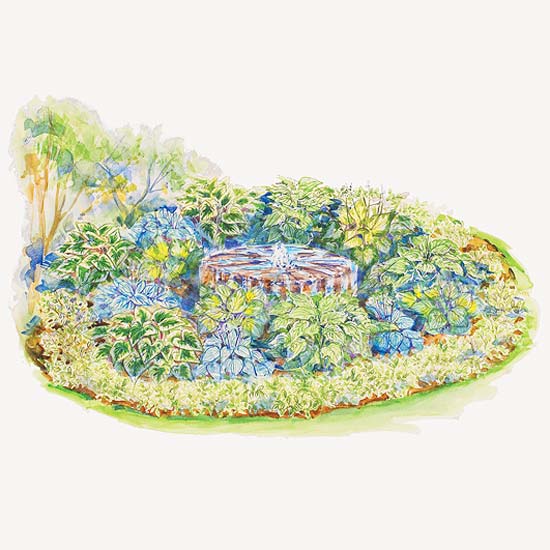
Instead of fighting the damp spot where your AC condensate drains, plant moisture-loving perennials: Virginia sweetspire (Itea virginica) Sweet shrub (Calycanthus floridus) Canna Iris Curly sedge (Carex spp.) Cardinal f
Selecting a Reel Mower for Bermuda Grass: Maintenance Considerations
The Sharpening Challenge Reel mowers deliver a superior cut on bermudagrass but require annual professional sharpening. The blade assembly must be removed, hand-turned backward with valve-lapping paste—a task most homeow
Choosing the Right Birch for Georgia: River Birch Varieties
Most birches struggle in Georgias heat and clay, but river birch (Betula nigra) thrives. It loves sun, grows fast, and has beautiful exfoliating bark. Seek these cultivars: Heritage – superior bark color, heat tolerance
Understanding Treated Collard Seeds: Safe to Eat the Greens?
The not for consumption label refers only to the seeds, which are coated with a pink fungicide (usually thiram or captan) to protect emerging seedlings. The mature collard leaves are perfectly safe to eat. Always wash gr
Citron: The Rock-Hard Watermelon Relative Used for Preserves
Citron (Citrullus lanatus var. citroides) is a hard-fleshed, non-sweet watermelon relative. In South Georgia watermelon fields, its a noxious weed—kids once used the rock-hard fruits to immobilize cars by placing them un
Using Fireplace Ashes in the Rose Garden: Benefits and Cautions
Wood ashes supply potassium (about 5–7%) and raise soil pH (like lime). However, they are highly alkaline. Apply sparingly: Lawn: 20 lbs per 1,000 sq ft max per application. New rose bed: 2 lbs per 100 sq ft, mixed in t
Copyright © www.100flowers.win Botanic Garden All Rights Reserved