
Drying and Storing Seeds with Desiccants
Shoe desiccant packs (silica gel) work for seed storage if dried first—heat at 200°F for 15 minutes. Alternatively, make your own packs with silica gel crystals (sold for flower drying). Low-Tech Option Wrap 2 tablespoo

Eradicating Prickly Pear Cactus from Lawn: Persistent Effort Required
Prickly pear cactus spreads when mowing fragments root. Its waxy skin resists herbicides. Dr. Tim Murphy recommends a multi-year approach: Dig repeatedly with a dandelion fork—may take years. Cut and paint stumps w
Why UGA Recommends Adding Phosphorus at Planting Regardless of Soil Test
Phosphorus is often chemically unavailable in Georgia’s naturally acidic soils. Low pH hinders root absorption, and phosphorus moves extremely slowly through soil—surface applications take years to reach roots. Key Reas
Saving and Planting Rose Seeds from Hips
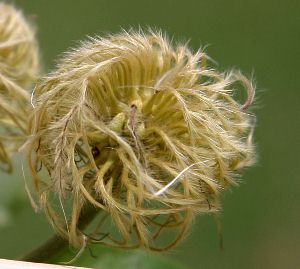
Rose hips are the swollen fruit below the flower, each containing several seeds. Collect seeds when hips turn bright red, orange, or yellow. Two Methods Direct sow: Plant immediately in garden; some may sprout before
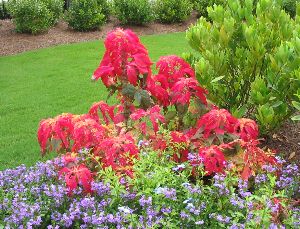
Joseph’s Coat Amaranth (Summer Poinsettia): Edible Ornamental
Joseph’s Coat amaranth (Amaranthus tricolor), also called summer poinsettia, displays brilliant yellow, purple, or red top leaves. It’s edible—young leaves cook like spinach—and its seeds have been a grain crop in South
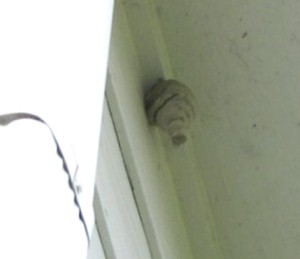
Small Hornet Nest Removal: Safety for Allergy Sufferers
Hornets build paper nests from chewed wood fiber. If a nest is too close for comfort—especially with severe allergies—remove it safely: Wait until after dusk when all hornets are inside. Use an aerosol wasp & horne
Growing Southern Highbush Blueberries in Pure Pine Bark
Commercial growers in Alma, GA, produce Southern highbush blueberries (e.g., ‘O’Neal’, ‘Cape Fear’, ‘Summit’) in 100% screened pine bark (¼-inch particles or less) in raised beds or half-drums with drip irrigation. Adva
Squirrels Eating Pine Cones: Source of Yard Debris
Excessive pine cone debris—tan and green cones, plus gnawed fragments—is the work of squirrels harvesting seeds. They perch high in the tree, extract seeds, and drop the remains. Like eating muscadine grapes and spitting
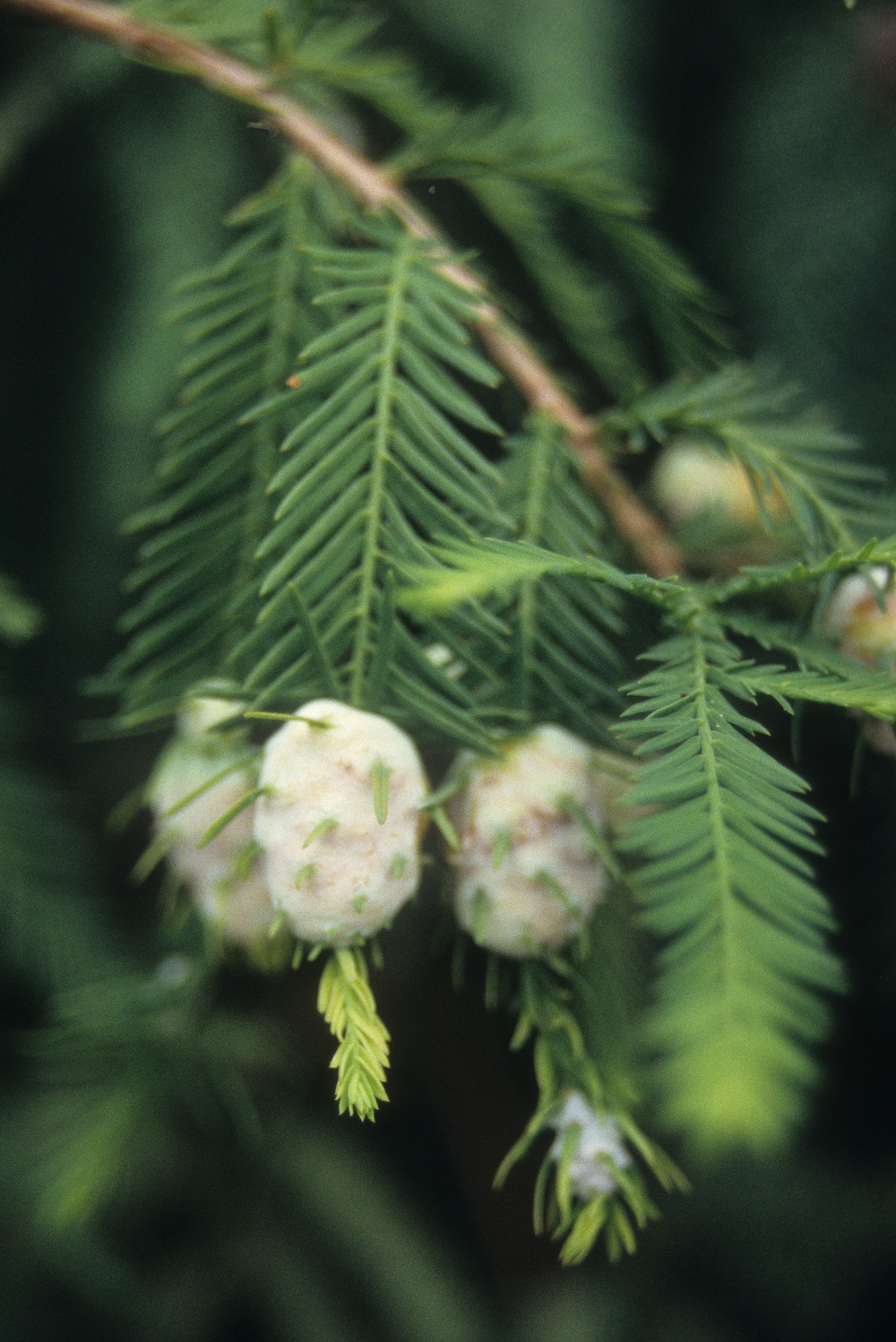
Bald Cypress Galls: Harmless Cypress Gall Midge Damage
White, dime-sized galls on bald cypress branch tips are caused by the cypress gall midge. Females lay eggs in branch tips; the tree forms galls around them. Galls fall in November; adults emerge next year. Management No
Georgia Seed Law Requires License for Professional Lawn Planting
Under the Georgia Seed Law, anyone who plants lawn seed for hire must hold a Seed Dealer’s License. “Selling” includes the service of planting seed, so all landscapers seeding lawns are subject to this requirement. Key
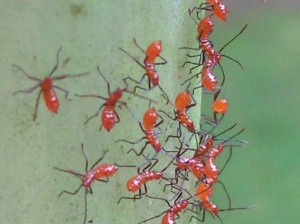
Young Predatory Bugs on Rain Gauge: Beneficial Insects
Those tiny “ants” on your rain gauge are likely newly hatched hemipteran nymphs—true bugs that include beneficial predators like assassin bugs. Entomologist Dan Suiter confirms they’re young predators seeking prey. Imag
Controlling Cattails in a Pond with Nesting Ducks
By July, ducklings are on the water, so herbicide treatment won’t disturb nesting. Two aquatic herbicides control cattails: Glyphosate (Rodeo, Eraser-AQ) Diquat (Reward, Weedtrine) Non-Chemical Option Repeatedly c
Bougainvillea Winter Care: Not Hardy in Atlanta
Bougainvillea cannot survive Atlanta winters outdoors. To keep it year-round: Overwintering Steps September: Cut stems back to 12 inches before first frost. Lift and pot in a large container. Indoors: Place in su
Lawn Killed by Centipede Weed-and-Feed on Fescue: Atrazine Damage
Applying centipedegrass weed-and-feed (containing atrazine) to a fescue lawn kills the fescue—because fescue is a weed in a centipede lawn. Atrazine persists in soil for months, preventing fescue seed germination. Remed
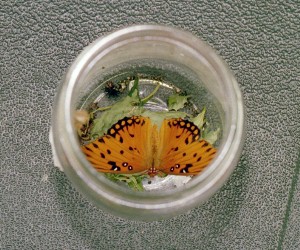
Gulf Fritillary Butterfly: Host Plant and Identification
The orange, spiky caterpillars found on passionvine (Passiflora) are Gulf fritillary larvae. They feed almost exclusively on this host plant. Identification Caterpillar: Bright orange with black spines. Adult: Oran
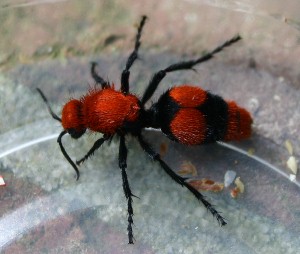
Velvet Ant Sting: Painful but Less Toxic Than You Think
A childhood encounter with a “cow killer” velvet ant (actually a wingless wasp) left a memorable sting—but research shows its venom is far less toxic than many common insects. Venom Toxicity Ranking Harvester ant: Mo
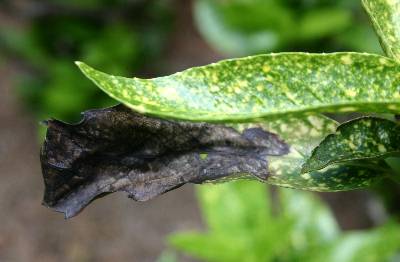
Aucuba Wilting: Phytophthora Root Rot in Shade Gardens
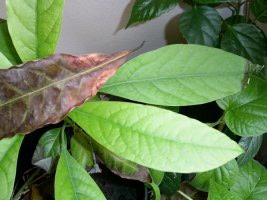
Blackened, wilting leaves on aucuba indicate Phytophthora root rot, a soil-borne fungus that also affects azaleas and rhododendrons. The pathogen is ubiquitous; disease strikes when plants are stressed by drought, winter
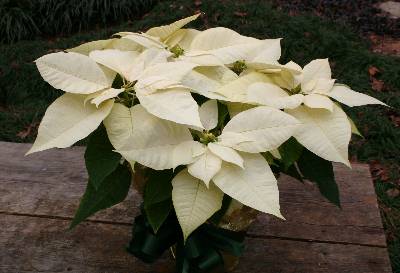
Forcing Poinsettias to Bloom at Christmas
Poinsettias bloom naturally in early January in Mexico. Greenhouse growers manipulate light and temperature to time color for December. You can do the same at home: Home Forcing Schedule Late September: Cover plant w
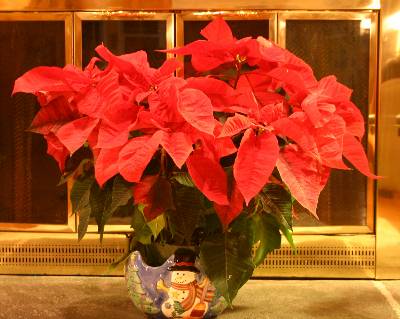
Poinsettia Care After Winter: Pruning and Reblooming Schedule
Leggy poinsettias held over for years can be rejuvenated and scheduled to bloom for the holidays. Year-Round Schedule January: Cut off red bracts; keep green leaves. Water when soil is dry. April (after frost): Mov
Fruit Flies in Kitchen Compost Bin: Simple Fix
Fruit flies in a covered kitchen compost container indicate the bin is too large for the waste volume, allowing material to sit too long. The solution: use a smaller container and empty it weekly. Why It Works Fruit fli
Copyright © www.100flowers.win Botanic Garden All Rights Reserved