Beneficial Nematodes: Microscopic Warriors for Soil Pest Control
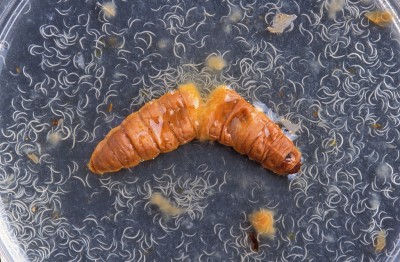
Entomopathogenic nematodes (families Steinernematidae and Heterorhabditidae) are microscopic roundworms that parasitize and kill soil-dwelling insect pests. Applied as a soil drench or spray, they seek out hosts—grubs,

Attract Owls to Your Garden: Nest Boxes, Habitat, and Species Tips
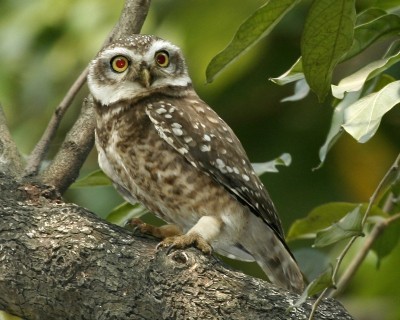
Owls are supreme nocturnal rodent hunters. A resident pair can eliminate hundreds of mice, voles, and rats per season. Since owls don’t build nests—they adopt cavities or platforms—providing a well-designed nest box is
Predatory Mites: Microscopic Guardians Against Spider Mites
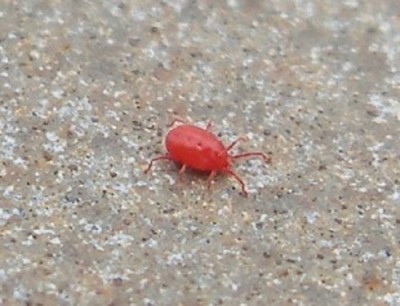
Predatory mites (family Phytoseiidae and others) are slightly larger than their prey—spider mites, rust mites, broad mites, and thrips. These wingless, pear-shaped arachnids patrol leaf undersides, consuming eggs, nymph
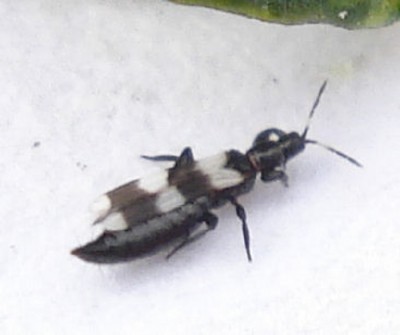
Predatory Thrips: Tiny Allies Against Their Plant-Feeding Cousins
Thrips are infamous as crop pests, but several species—banded thrips, black hunter thrips, six-spotted thrips, and Franklinothrips—are predatory, feeding on pest thrips, spider mites, whiteflies, lace bugs, and scale in
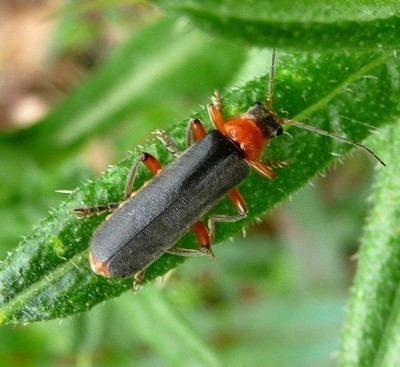
Soldier Beetles: Pollinators and Predators You Want in Your Garden
Soldier beetles (family Cantharidae), also called leatherwings, are often mistaken for fireflies (without the glow) or wasps. Their soft, elongated bodies—typically yellowish-tan with a black spot on each wing cover—are
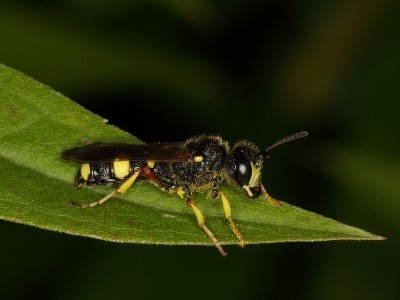
Predatory Wasps: Nature’s Precision Pest Controllers
While social wasps (yellowjackets, hornets) get a bad rap, solitary predatory wasps are among the most specialized and effective biological control agents in the garden. They provision nests with paralyzed prey or lay e
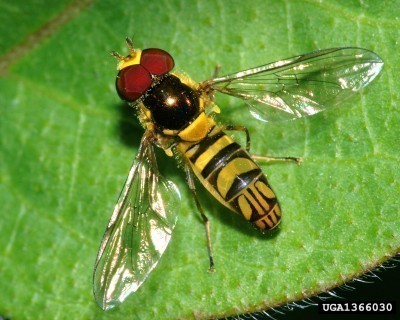
Hover Flies: Pollinators and Aphid Predators in One Package
Hover flies (family Syrphidae), also called flower flies or syrphid flies, are bee/wasp mimics that hover like helicopters over flowers. Adults are important pollinators; their slug-like larvae are voracious aphid eater
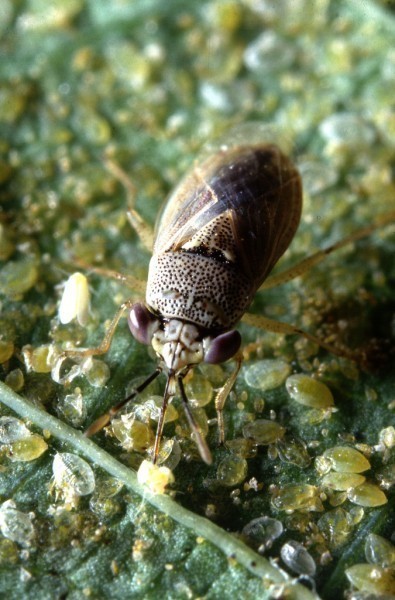
Big-Eyed Bugs: Tiny Guardians Against Garden Pests
Big-eyed bugs (Geocoris spp.) are small (1/16–1/4 inch), wide-headed insects with prominent, backward-tilting eyes. Found across the U.S. and Canada, they are generalist predators that feed on mites, caterpillars, leafh
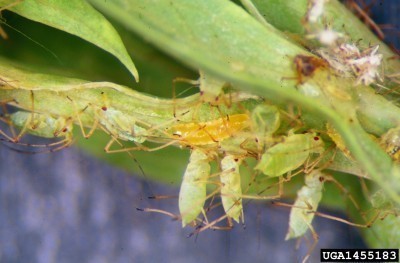
Aphid Midges: Tiny Flyers That Devour Aphids by the Dozens
Aphid midges (Aphidoletes aphidimyza) are delicate, mosquito-like flies whose bright orange larvae are aphid-killing machines. Each larva can consume up to 65 aphids per day, and they target over 60 aphid species—often
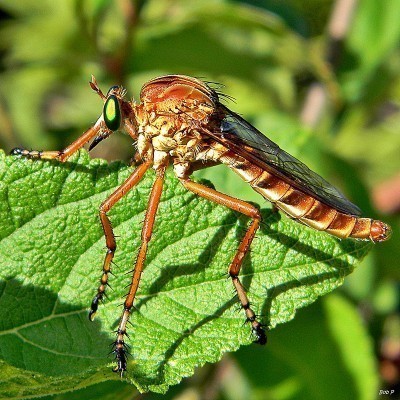
Robber Flies: Fierce Predators That Deserve a Place in Your Garden
Robber flies (family Asilidae) look intimidating—large, hairy, humpbacked, and often bee-like—but they are among the most effective aerial predators in the garden. With over 1,000 North American species, they hunt a wid
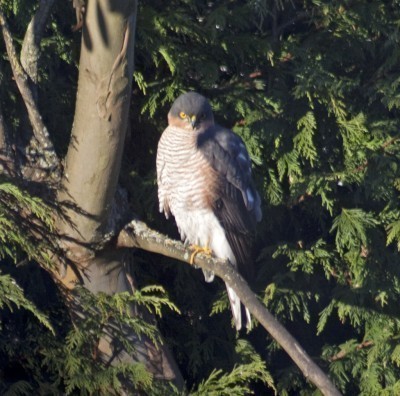
Attracting Birds of Prey: Natural Rodent Control for Your Garden
Raptors—hawks, owls, kestrels, and eagles—are nature’s most dramatic rodent controllers. While they may also take songbirds, their presence often signals a healthy ecosystem and can significantly reduce mice, voles, rab
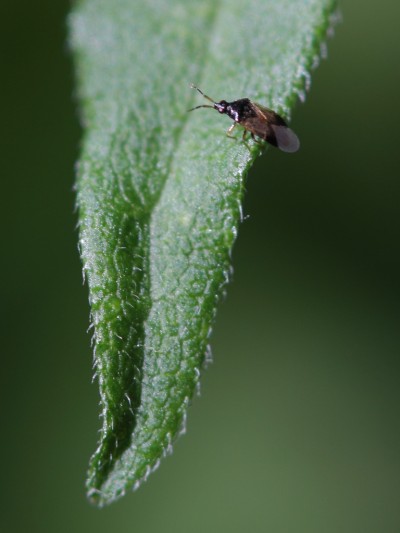
Minute Pirate Bugs: Tiny Predators with a Big Appetite for Pests
Minute pirate bugs (Orius spp.) are among the earliest beneficial insects to appear in spring, often before pest populations peak. Barely 1/5 inch long, these black-and-white-marked predators are easy to overlook—but ea
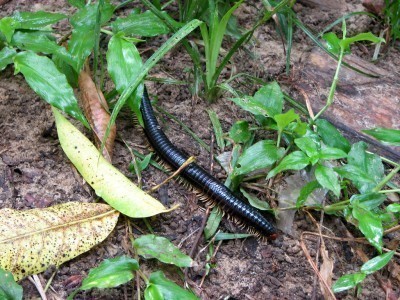
Centipedes and Millipedes: Garden Allies or Occasional Pests?
Centipedes and millipedes are often confused, but they play very different roles in the garden. Both prefer moist environments and are mostly nocturnal, yet one is a predator and the other a decomposer. Understanding th
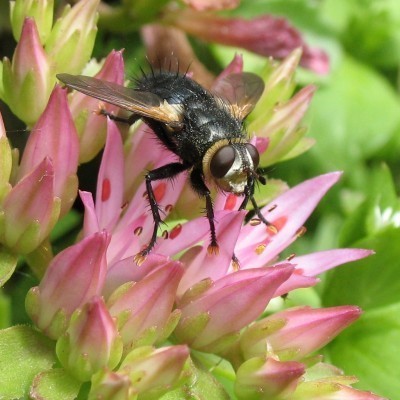
Tachinid Flies: Tiny Parasitoids That Control Garden Pests
Often mistaken for house flies, tachinid flies (family Tachinidae) are among the most important yet unrecognized beneficial insects in the garden. These small (under ½ inch), bristly, gray or black flies are parasitoids
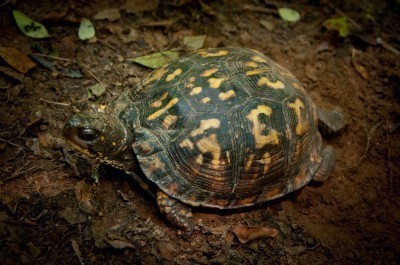
Attract Turtles to Your Garden Pond: A Habitat Guide
Garden ponds can become thriving homes for turtles—fascinating, long-lived reptiles that help control insects and aquatic vegetation. With shrinking natural wetlands, providing turtle-friendly habitat is both rewarding
Beneficial Garden Animals: Wildlife That Helps Your Garden Thrive
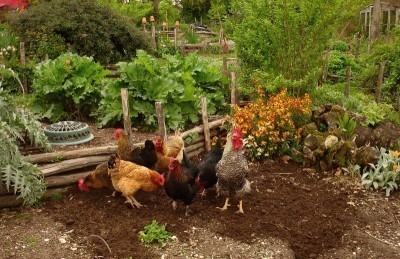
Beyond insects, many vertebrate animals provide valuable pest control and ecological balance in the garden. By offering food, water, shelter, and safe passage, you can invite a diverse cast of wild allies—from frogs and
Alternative Pollinators: Beyond Honey Bees for a Resilient Garden
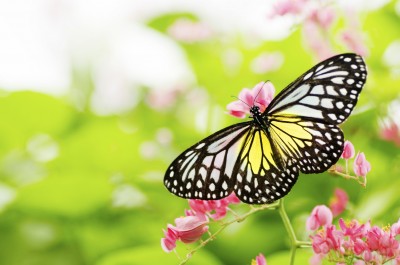
With honey bee colonies declining due to colony collapse disorder, mites, pesticides, and disease, gardeners and farmers are turning to alternative pollinators to ensure fruit and seed set. Over 3,500 native bee species
How to Attract Bumble Bees: Create a Pollinator Paradise
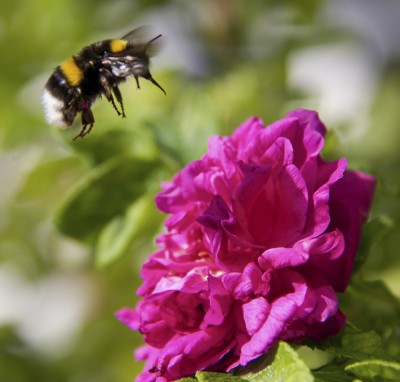
Bumble bees—large, fuzzy, and distinctively striped—are among the most effective pollinators for both wild and cultivated plants. Unlike honey bees, they produce only enough honey to sustain their colony, but their poll
Rove Beetles: Tiny Predators That Benefit Your Garden
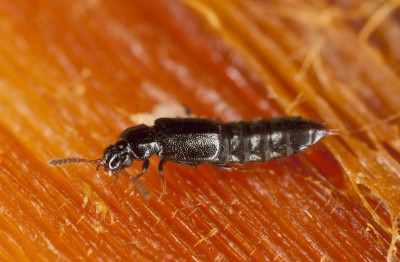
Rove beetles (family Staphylinidae) are among the most numerous yet overlooked beneficial insects in North American gardens. With over 3,000 species on the continent, these slender, fast-moving beetles range from 1/8 to
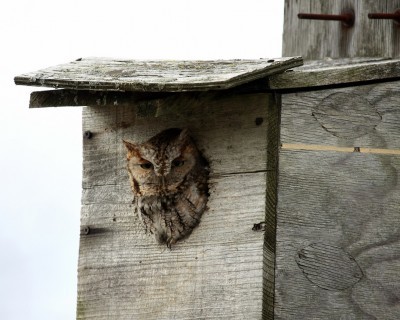
Build an Owl Nest Box: A Step-by-Step Guide to Attracting Owls
If owls frequent your area, installing a well-designed nest box can encourage a pair to take up residence in your backyard. Many owl species—especially barn owls—are voracious hunters of mice, voles, and other rodent pe
Copyright © www.100flowers.win Botanic Garden All Rights Reserved