


Garden ponds can become thriving homes for turtles—fascinating, long-lived reptiles that help control insects and aquatic vegetation. With shrinking natural wetlands, providing turtle-friendly habitat is both rewarding and ecologically valuable. Here’s how to make your pond inviting for both aquatic and terrestrial species.
Aquatic turtles need structural complexity: shallow coves, submerged logs, and rock piles with crevices for hiding and basking. Dig gradual shelves along the edges and arrange rocks of varying sizes to create microhabitats. Lush aquatic and marginal vegetation provides shade, food, and insect prey. Plant a diversity of native species—water lilies, pickerelweed, duckweed—to support different turtle preferences.
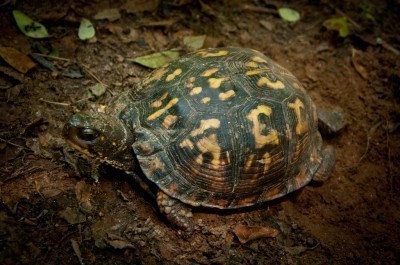
Box turtles are terrestrial but need moist, shady areas with deep leaf litter for burrowing and sleeping. They forage for slugs, worms, berries, and mushrooms. Create a “bog garden” or consistently damp, mulched corner where they can cool off. For winter hibernation (October–April), provide a brush pile or loose soil mound where they can dig below the frost line. In summer, they need a sunny, open patch with loose soil for egg-laying.
With thoughtful design and organic practices, your pond can support a resident turtle population for decades, adding wonder and ecological function to your landscape.
Stress-Free Gardening: Enjoyable Techniques for Beautiful Results
Plant Supports: Choosing and Using Stakes, Cages, Trellises & More
How to Attract Bug-Eating Birds for Natural Pest Control
Garden Ponds, Pools & Swimming Pools: Design, Build & Plant Water Features
How to Attract Hummingbirds to Your Garden
How to Attract Butterflies to Your Garden: Best Nectar & Host Plants
How to Choose and Site Garden Art: A Guide to Balance and Placement
Pollinator Paradise: Plants That Attract Hummingbirds and Butterflies
Balancing Work and Gardening: Time-Saving Strategies for Busy Gardeners
Watering the Garden Right: When, How Much, and Best Methods
Protect & Preserve Garden Art: Material-Specific Care for Longevity
Feeding Butterflies: Nectar, Fruit & Puddling Stations
Bat House Placement and Design: Attract Mosquito-Eating Colonies
Copyright © www.100flowers.win Botanic Garden All Rights Reserved