


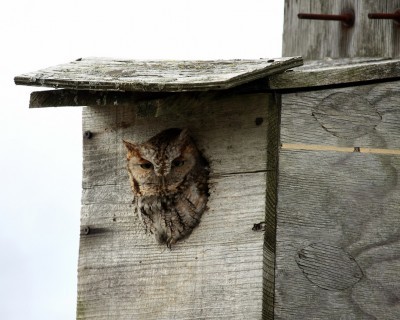
If owls frequent your area, installing a well-designed nest box can encourage a pair to take up residence in your backyard. Many owl species—especially barn owls—are voracious hunters of mice, voles, and other rodent pests, making them valuable allies for natural pest control. This guide covers everything you need to know about designing, building, and placing an effective owl house.
Owl boxes don’t need to be elaborate, but they must match the dimensions required by the species you hope to attract. Before cutting any wood, research the target owl’s size and nesting preferences. For barn owls, a simple rectangular box measuring roughly 38 inches long, 18 inches wide, and 12 inches deep provides ample space for a pair and their young. Other species will need different dimensions.
Always use untreated, weather-resistant lumber such as cedar, pine, or fir. The entrance hole should be positioned about 6 inches above the floor. For barn owls, a 6-by-7-inch square opening or an elliptical hole with a 4½-inch horizontal axis and 3¾-inch vertical axis works well. Drill several small drainage holes in the bottom to prevent water accumulation.
Sturdy construction is critical—owls will reject a flimsy box, and a collapsing structure could harm the occupants. Use corrosion-resistant screws and reinforce joints with exterior-grade wood glue.
Mount the box securely on a sturdy post, barn rafters, a mature tree trunk, or a building wall at least 10–20 feet above ground. Choose a location near open fields or meadows so owls can glide directly from hunting grounds to the nest. Orient the entrance hole toward the north or northeast to avoid overheating from direct sun.
Ensure the mounting surface is stable and the box won’t sway in wind. Add a predator guard (a metal cone or baffle) on the post to deter raccoons and snakes. Clean the box annually in late fall, removing old nesting material, pellets, and debris to keep it inviting for the next season.
With proper design and placement, your owl box can become a long-term home for these magnificent raptors, providing you with natural rodent control and the thrill of observing owls up close.
Patio Design and Construction: Foundations, Materials, Curves, and Finishing Touches
Build a DIY Garden Hose Reel: Step-by-Step Plans
How to Build and Use a Cold Frame for Year-Round Gardening
Hardening Off Seedlings: Step-by-Step Transition to Outdoors
How to Build an Herb Spiral: The Ultimate Space-Saving Garden Design
How to Build a Rain Garden: Capture Runoff, Protect Waterways, and Create a Beautiful Habitat
How to Build a Garden Stream: Pre-Formed Units Installation Guide
Building a Garden Fence: Materials, Styles, and Construction Essentials
Build a Backyard Waterfall: Step-by-Step Rock Cascade Construction
How to Start a Flower Garden: From Bare Ground to Blooming Beauty
DIY Garden Pond: A Weekend Project for Lasting Beauty
How to Build Your Own Greenhouse: Complete Planning Guide
How to Build a Retaining Wall: Step-by-Step Guide for Landscape Blocks
Choosing the Right Garden Storage Box: Size, Materials, and Features
Copyright © www.100flowers.win Botanic Garden All Rights Reserved