


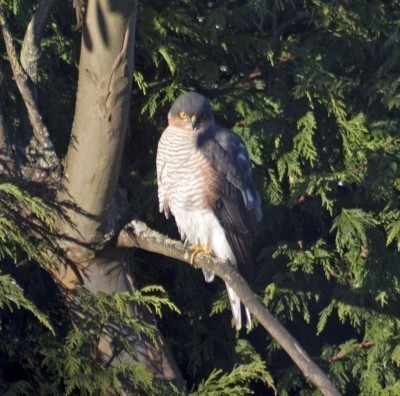
Raptors—hawks, owls, kestrels, and eagles—are nature’s most dramatic rodent controllers. While they may also take songbirds, their presence often signals a healthy ecosystem and can significantly reduce mice, voles, rabbits, and other garden pests. Here’s how to make your property inviting to these magnificent hunters.
Food base: Allow some areas to naturalize (tall grass, brush piles) to support rodent populations. Mow paths through meadows so raptors can spot prey easily.
Perches and nest sites: Install tall poles (15–20 ft) with crossbars for hunting perches. Mount species-appropriate nest boxes: barn owl boxes on buildings/poles; screech owl boxes in trees; platform nests for hawks. Preserve large, dead trees (snags) for natural cavities and perches.
Water: A pond, birdbath, or dripping fountain attracts prey and provides drinking/bathing water.
Minimize disturbance: Keep dogs leashed, reduce noise, and avoid rodenticides—poisoned rodents can kill raptors.
Raptors are opportunistic; they may take chipmunks, squirrels, or even small pets. Supervise small animals outdoors. Never attempt to handle or feed raptors. Enjoy them from a distance as a sign that your garden supports a complete food web.
Plant Selection for Japanese Gardens Beyond Ferns and Maples
The Benefits of Community Gardens: Growing Food, Connection & Resilience
Miniature Gardens: Tiny Complete Worlds in Any Container
Vertical Gardens: Growing Up for Maximum Yield in Minimum Space
Garden Plan for Attracting Birds and Butterflies: 12x27 Foot Design
Attract Hummingbirds: Create a Complete Habitat in Any Garden
Attract Owls to Your Garden: Nest Boxes, Habitat, and Species Tips
First Garden in Hawaii: Tropical Advantages
Raised Garden Beds: Benefits, Limitations & Best Practices
The Psychology of Gardening: Why We Cultivate
America's Most Inspiring Gardens: Winter Travel Ideas
Edible Flowers: Beauty and Flavor from Your Garden
England's Cotswold Gardens: World-Class Horticultural Destinations in the South West
Copyright © www.100flowers.win Botanic Garden All Rights Reserved