
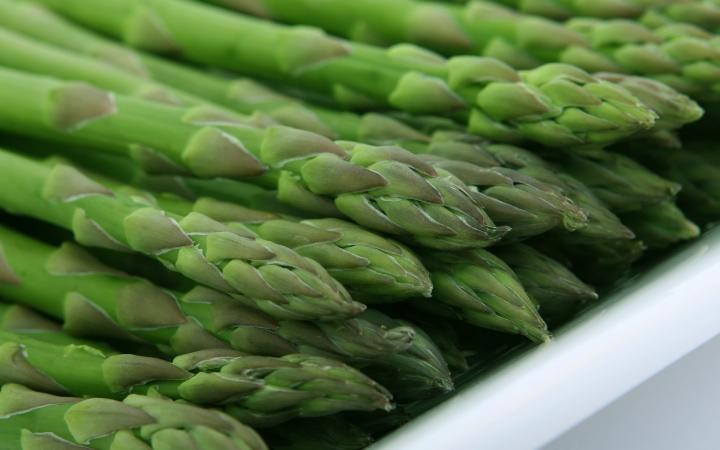
Growing Asparagus: A Long-Term Investment for Delicious Spring Harvests
Asparagus is a perennial vegetable that rewards patience with up to 20 years of production. Though it takes 2–3 years to establish, the long-term yield makes it worthwhile. Planting Asparagus Plant in early spring as s

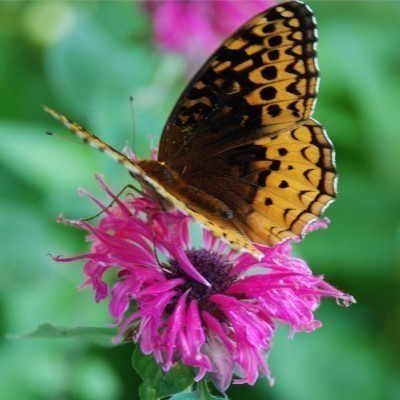
Eight Must-Have Flowers to Attract Butterflies
Plant these eight butterfly magnets and watch your garden come alive with swallowtails, monarchs, fritillaries, and more. Butterfly Weed (Milkweed, Asclepias) – Hardy perennial, orange/rose flowers, 2 ft. Host for mona
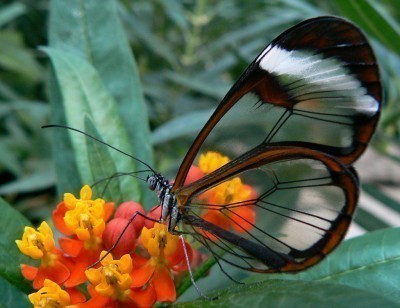
Butterfly Garden Design: Flowers, Water, Shelter, and Wind Protection
A successful butterfly garden provides more than nectar—it meets all life-stage needs: food for caterpillars, nectar for adults, water, basking spots, and shelter from wind. Key Plant Groups Nectar favorites: Zinnia, ma
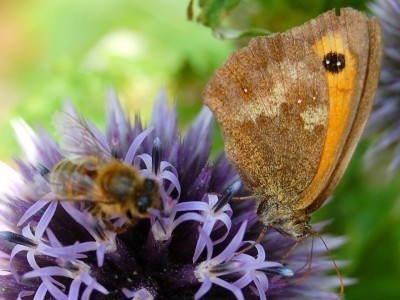
Create a Pollinator Garden: Design, Plants, and Practices
A pollinator garden—even a few containers—supports bees, butterflies, hummingbirds, and beneficial insects. It’s a living investment in your garden’s productivity and ecological health. Design Principles Sun: ≥6 hours
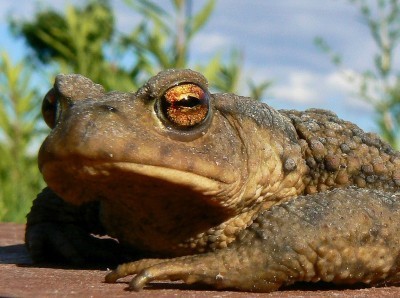
Attract Toads to Your Garden: Natural Slug and Insect Control
A single toad can consume 10,000 insects, slugs, and snails in one summer. Making your garden toad-friendly is one of the easiest, most effective pest control strategies. Four Habitat Essentials Predator cover: Dense f
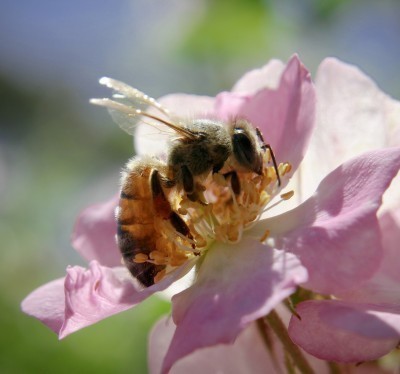
Attract Bees to Your Garden: Best Flowers and Practices
Bees—honey bees and hundreds of native species—are the backbone of garden pollination. Attracting them is simple: plant the right flowers, provide nesting sites, and avoid chemicals. Flower Preferences Bees see blue, wh
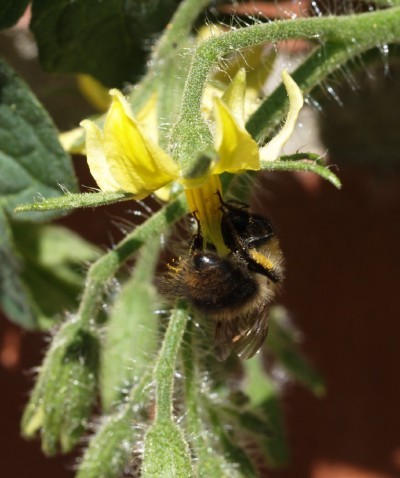
Pollination Basics: Why Your Garden Needs Pollinators and How to Help
Most fruits and vegetables—tomatoes, squash, apples, berries, cucumbers, melons—require insect pollination to set fruit. Without pollinators, flowers bloom but produce nothing. Understanding the process helps you suppor
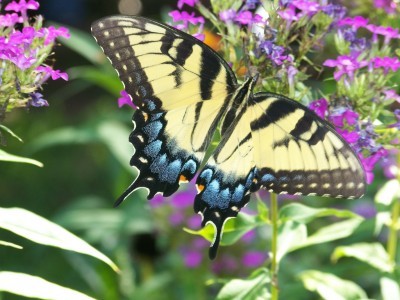
Butterfly Gardening: Best Plants to Attract Butterflies and Hummingbirds
Butterflies transform a garden into living art. By planting nectar-rich flowers and host plants for caterpillars, you invite a procession of species—and often hummingbirds too. Top Nectar Plants Yarrow (Achillea) Butte
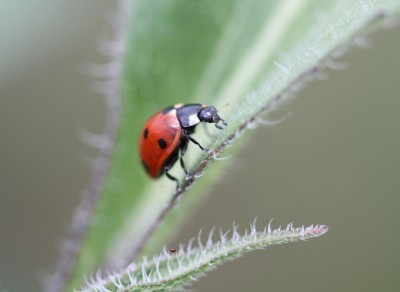
Attract and Keep Ladybugs: The Complete Guide
Ladybugs (lady beetles) are iconic aphid predators—adults and larvae together devour thousands of aphids, mites, and scale insects. Attracting and retaining them requires meeting their dual needs: prey (aphids) and poll
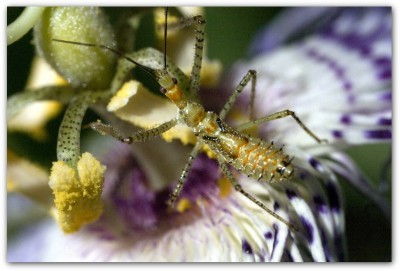
Assassin Bugs: Stealthy Predators That Deserve Your Respect
Assassin bugs (family Reduviidae, ~150 North American species) are generalist predators with a distinctive curved, scimitar-like beak. They impale prey—caterpillars, leafhoppers, aphids, beetle larvae, boll weevils—with
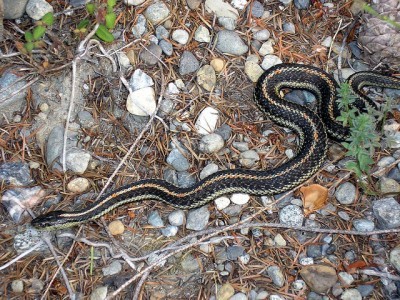
Garden Snakes: Welcome Garter Snakes for Natural Pest Control
Garter snakes (often called garden snakes) are harmless, common, and highly beneficial. They eat slugs, snails, grasshoppers, rodents, and even venomous snakes like copperheads. Black rat snakes also excel at rodent con
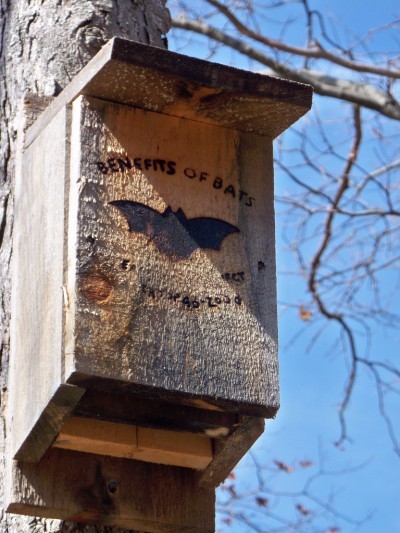
Bat House Placement and Design: Attract Mosquito-Eating Colonies
Bats are misunderstood allies—a single little brown bat eats 1,200 insects/hour. A well-placed bat house can host a colony that transforms your summer evenings into bug-free enjoyment. Critical Placement Factors Sun ex
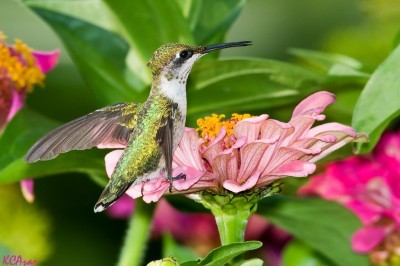
Hummingbird Garden Design: Flowers, Feeders, and Habitat Tips
Hummingbirds are dazzling, high-metabolism pollinators that need constant nectar and insect protein. A well-designed garden provides both, along with perches, water, and nesting sites. Feeders Hang multiple feeders (3–5
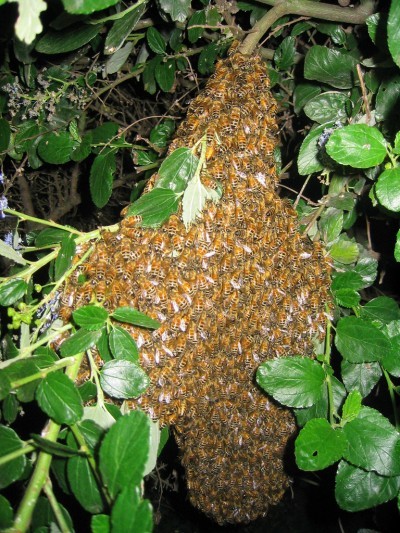
Honeybee Swarms: What to Do When a Colony Visits Your Garden
A honeybee swarm—a cluster of thousands of bees with a queen—is a natural reproductive event, not an attack. Swarms are temporary (hours to 2 days) while scouts find a permanent cavity. Here’s how to respond safely and
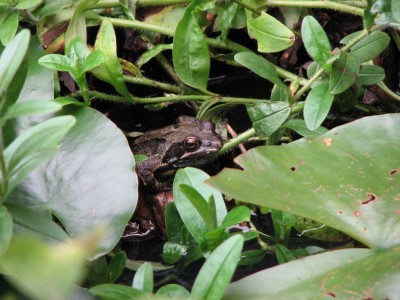
Frog-Friendly Gardens: Invite Nature’s Insect Control
Frogs and toads are voracious insect and slug predators—a single toad can eat 10,000 pests per summer. Creating habitat for them is simple, rewarding, and ecologically sound. Essential Habitat Elements Water: Small, st
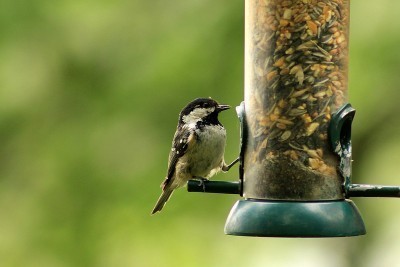
Feeding Backyard Birds: Create a Bird-Friendly Garden Habitat
Birds bring song, color, and insect control to the garden. To make them year-round residents—not just visitors—provide the three essentials: food, water, and shelter. Food Offer a quality seed mix: black oil sunflower,
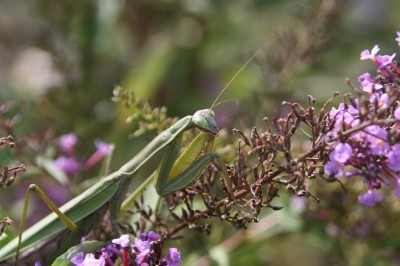
Praying Mantises: Fascinating Predators with a Caveat
Praying mantids (European, Carolina, Chinese species) are iconic garden predators. Their 180° head rotation, raptorial forelegs, and cryptic coloration make them formidable hunters of insects, spiders, and even small ve
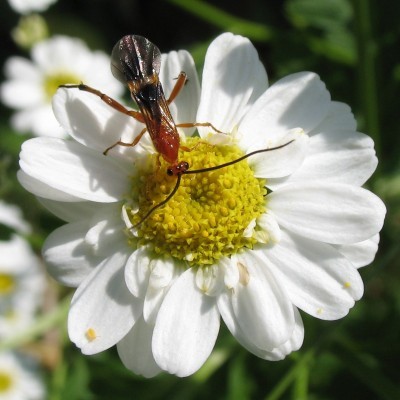
Parasitic Wasps: Stingless Allies That Mummify Garden Pests
Parasitic wasps (superfamily Chalcidoidea and Ichneumonoidea) are tiny, stingless wasps that lay eggs inside or on host insects—aphids, caterpillars, whiteflies, scale, leafminers, and pest eggs. Larvae consume the host
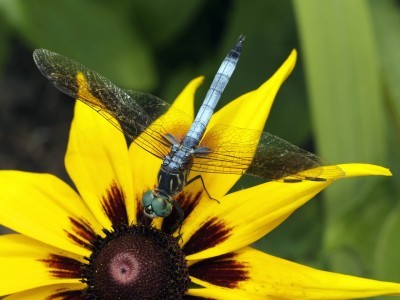
Attract Dragonflies: Mosquito-Eating Aerialists for Your Garden
Dragonflies are ancient, harmless insects that consume their body weight in mosquitoes, flies, and gnats every 30 minutes. Their presence indicates clean air and water. With a few habitat additions, you can turn your ga
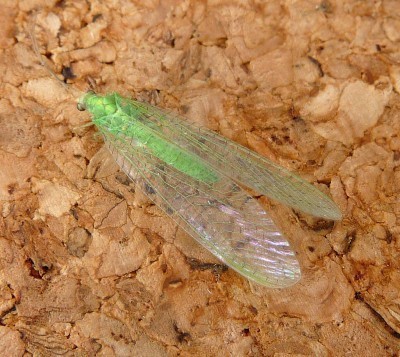
Green Lacewings: Delicate Adults, Voracious Larvae for Pest Control
Green lacewings (family Chrysopidae) are among the most versatile beneficial insects. Adults (½–¾ inch) have gossamer wings, golden eyes, and long antennae; they feed on nectar, pollen, and honeydew. Their alligator-lik
Copyright © www.100flowers.win Botanic Garden All Rights Reserved