

Feeding Butterflies: Nectar, Fruit & Puddling Stations
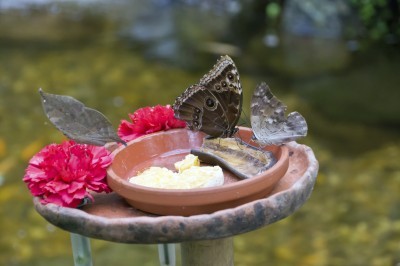
Butterfly Diet Liquid/semi-liquid. Nectar primary, but also rotten fruit, manure, tree sap. Smellier/goopier = better. Feeder Ideas Mashed overripe banana + molasses. Sliced oranges. Sugar water or sports drink (not a

Backyard Beekeeping for Beginners: Hives, Honey & Regulations
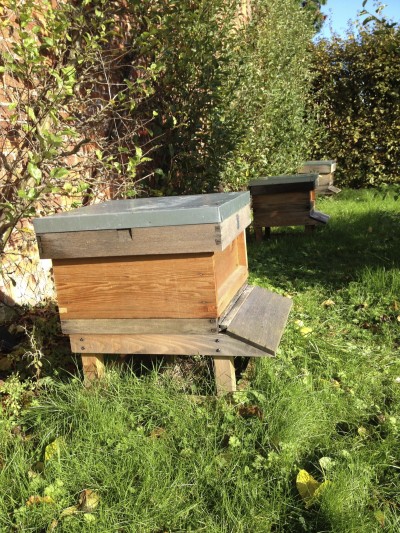
Getting Started New hive with bees ~$200. May recoup via honey sales. Need: queen, drones, workers. Smoker, veil, gloves. Urban Considerations Check state/local regulations (licenses, registration). Talk to neighbor
Backyard Chickens: Beginner's Guide to Raising Hens
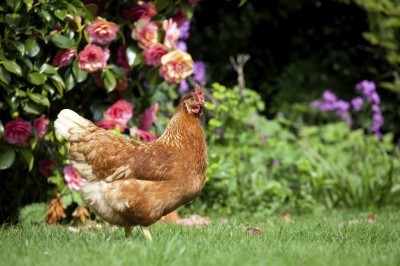
Before You Start Check city ordinance (often 3 hens max, no roosters). Order day-old female chicks from feed store/online. Raising Chicks Brooder: heat lamp, wood shavings, water, chick feed. Change daily. Monitor t
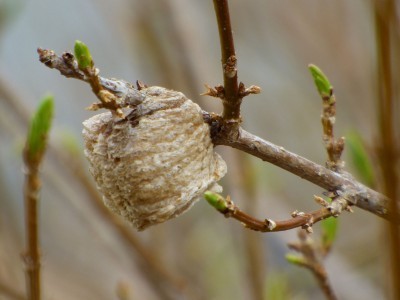
Praying Mantis Egg Sacs: Find, Hatch & Release for Pest Control
Egg Sac Basics 1 in., rectangular, tan/white, frothy hardened foam (ootheca). On twigs, stems, walls, fences, eaves. Easier to spot after leaf drop. Up to 300 eggs; ~20% survive to adult. Hatch when spring temps warm.
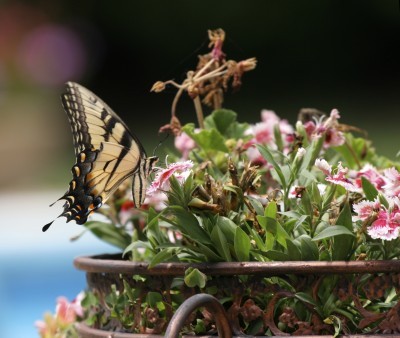
Butterfly Container Garden: Nectar & Host Plants for Patios
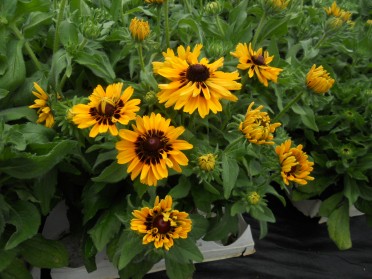
Container Design Mix nectar + host plants. Nectar: mums, yarrow, butterfly weed, coneflowers (big clusters for easy access). Host: milkweed, aster, rose mallow (for eggs/caterpillars). Setup Tips ≥6 hrs sun, wind-pr
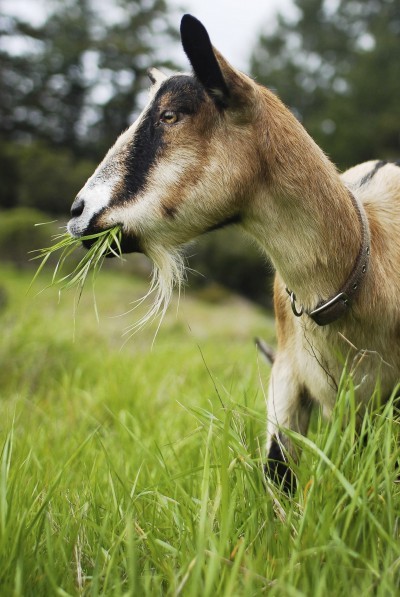
Using Goats for Weed Control: Eco-Friendly Brush Clearing
Why Goats? Eat almost any vegetation—thorns, poison ivy, invasives (kudzu, bittersweet, ailanthus, mile-a-minute, sumac, winged elm, ironweed). Not yew (toxic). Municipalities rent goats for roadsides, parks. Managemen
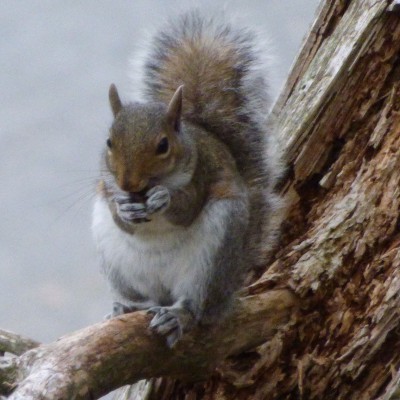
Squirrel-Friendly Gardens: Coexisting with Backyard Squirrels
Attracting Squirrels Separate feeders from birds: sunflower seeds, unroasted peanuts, field corn. Fun feeders for acrobatics; or hang corn cobs/peanut butter pine cones. Leave hollow trees or install nest boxes (untrea
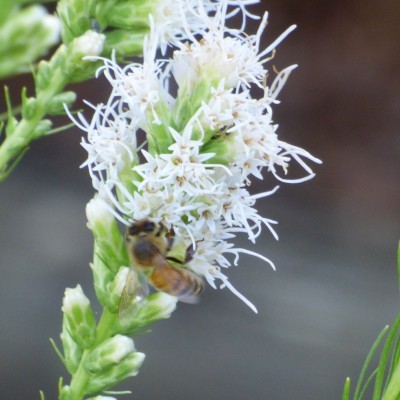
Pollinator Garden Plants: Native Flowers for Bees, Butterflies & Hummingbirds
Why Native Plants? Co-evolved with local pollinators. Non-natives often lack adequate nectar. Consult local Extension, Pollinator Partnership, Xerces Society, Lady Bird Johnson Wildflower Center. Native Pollinator Plan
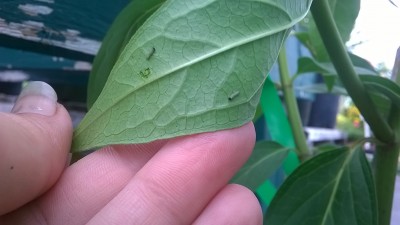
Butterfly Host Plants: Create a Complete Butterfly Garden
Nectar Plants (Adult Food) Full sun, sheltered from wind. No pesticides. Add basking rocks, shallow water dish. Butterfly bush, Joe Pye weed, caryopteris, lantana, butterfly weed, coneflowers, cosmos, Shasta daisy, zin
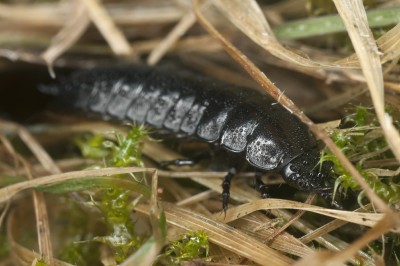
Ground Beetles: Nocturnal Pest Predators for Your Garden
Benefits Carabid family. Nocturnal. Eat caterpillars, ants, aphids, maggots, wireworms, slugs. Some eat weed seeds (lambsquarter, foxtail, ragweed, thistle). Can prevent ~40% crop damage. Used as biocontrol for gypsy mo
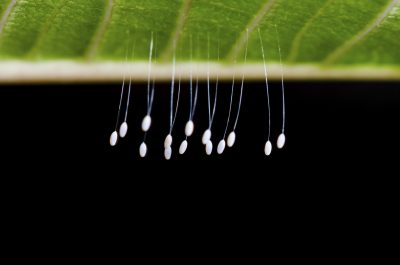
Lacewings: Aphid Lions for Natural Pest Control
Lacewing Life Cycle ~4 weeks: egg → larva → pupa → adult. Eggs hatch 4–5 days. Larvae: alligator-like, large jaws, brown/red stripes, rough skin. Aphid lions—eat aphids, leafhoppers, mites, mealybugs, thrips. 3 larval
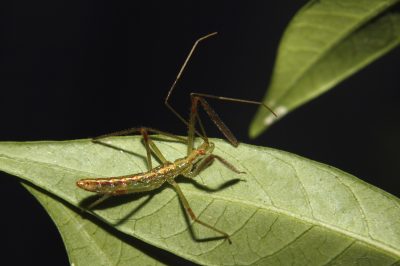
Assassin Bugs: Beneficial but Painful—Identification & Caution
Identification Wide range: Americas, Europe, Africa, Asia. Ambush hunters: inject toxin that liquefies prey. Eggs: clusters in cracks, under rocks. Nymphs: <½ in., orange/black striped, translucent. Adults: up to 1 in.
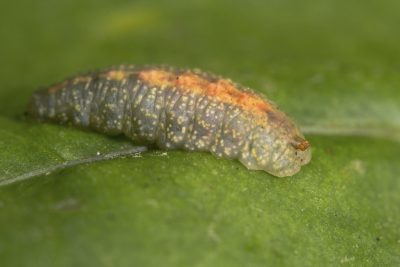
Syrphid Flies (Hoverflies): Aphid Predators & Pollinators
Hoverfly ID Look like small wasps (black/yellow stripes) but fly heads, 2 wings (not 4), hover/backwards flight. ¼–½ in. Adults pollinate; larvae (green/brown maggots) eat aphids, thrips, scales, caterpillars. High pop
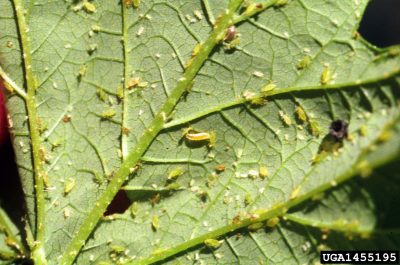
Aphid Midge: Biological Control for Aphid Infestations
Aphid Midge Basics Larvae (orange, 3 mm) eat 3–50 aphids/day for 7–10 days. Adults mosquito-like, long curved antennae. Life cycle 3–4 weeks. Using Aphid Midges Buy vermiculite/sand with cocoons. Sprinkle on soil arou
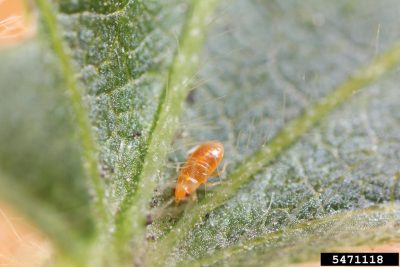
Minute Pirate Bugs: Tiny Predators for Thrips & Mites
Pirate Bug Benefits Eat thrips, spider mites, aphids, whiteflies, leafhoppers, caterpillars. ~1/20 in. long. Life Cycle Eggs: tiny, white-clear, laid in plant tissue. Female lives ~4 weeks, lays up to 100 eggs (fewer
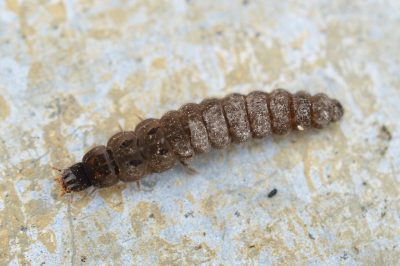
Soldier Beetles: Beneficial Predators in Your Garden
Good or Bad? Allies. Adults eat caterpillars, aphids; pollinate flowers. Larvae in soil eat pest eggs/larvae (esp. grasshopper eggs). Harmless to plants, people. Indoors: nuisance only—sweep out. Life Cycle Overwinter
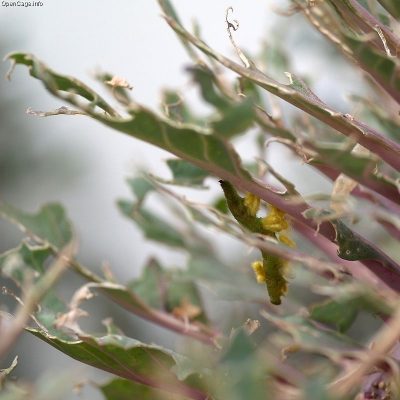
Parasitic Wasps: Garden Heroes—Identification & Life Cycle
Why Welcome Parasitic Wasps? They parasitize aphids, scale, leafhoppers, caterpillars, roaches, flies, beetles, whiteflies, ticks. Not interested in humans. Identification Family Hymenoptera (like bees/wasps). Size: t
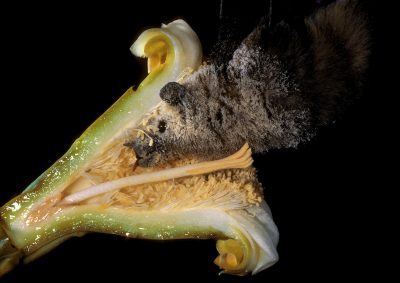
Bat Pollination: Plants Bats Pollinate & How to Support Them
Bat Pollination Facts Bats are crucial in warm climates (desert, tropics). Pollinate agave, saguaro, organ pipe cactus. One bat eats 600+ mosquitoes/hour and crop pests. What Flowers Attract Bats? Night-blooming Large
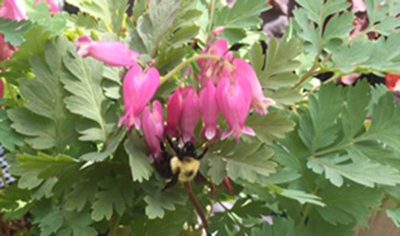
Bee-Friendly Shade Plants: Attract Pollinators to Low-Light Gardens
Shade-Tolerant Plants for Bees Bees prefer sun but visit shade blooms. Honeybees like yellow, white, blue, purple. Native bees (e.g., mason bees) prefer fruit blossoms and native perennials. Shade Plants Bees Love Jac

Winter Protection for Perennials and Bulbs: Timing and Techniques
Winter Protection for Perennials and Bulbs: Timing and Techniques In cold-winter areas (USDA Zone 6 [–10°F] or colder), its never too early to plan winter protection—even if its too early to apply it in early November. W
Copyright © www.100flowers.win Botanic Garden All Rights Reserved