
Low‑Maintenance Perennials for a Cemetery Grave Site in NH
Kathie wants a perennial for her parents grave that will persist without care. Suggestions: Peony (24–30, blooms Memorial Day), Rose of Sharon (36 if pruned, various colors), Butterfly bush (4–5, needs deadheading). Firs

Planting Hydrangeas with Spirea and Burning Bush: Soil pH Considerations
Linda wants blue hydrangeas between burning bushes and spirea. Spirea pH 6–7, burning bush 5.5–7.5 (very adaptable). Hydrangeas bloom blue in acid soil, pink in alkaline. Soil pH changes slowly (like dieting). Dont guess
Gerbera Daisies Need Dormancy to Rebloom
Richards gerberas bloom first year but not after overwintering under grow lights. They need a cool, dark dormancy period. Store in a cool, mostly dark place (heated garage is too warm/light), keep barely damp.
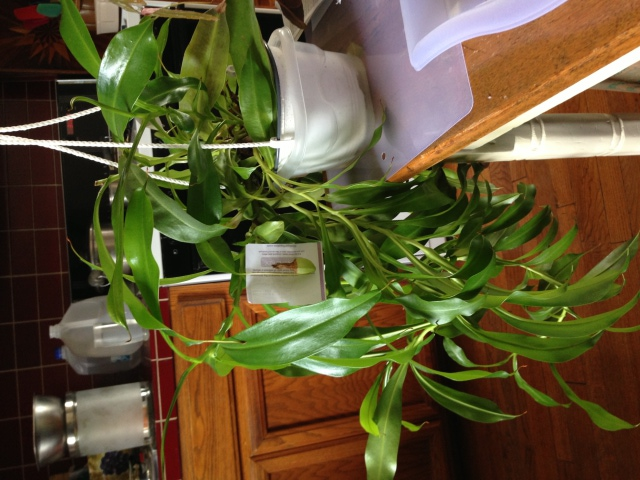
Carolyns 4‑year‑old anthurium has long, drooping stems. Cut back to a few inches above the crown; new growth will emerge. Provide bright indirect light, good drainage, monthly balanced fertilizer, warmth.
Planting Delphinium Seeds in Colorado
Cindys delphiniums went to seed. Hybrid seeds wont come true. Collect dry seeds, start late winter (Jan/Feb) indoors under lights (70°F, 3 weeks to sprout). Press into moist soil, cover with milled sphagnum. Harden off a
Euonymus Shrubs Losing Leaves: Anthracnose or Scale
Janes 5‑ft euonymus shrubs on one side are defoliating. Likely anthracnose (bacterial) or scale (insect). See Clemson University guide: HGIC 2054.
Cutting Asiatic Lilies for Bouquets: Impact on Bulbs
Cutting lily stems sacrifices leaves that feed the bulb. Keep stems short, cut every other year if possible. Dont over‑fertilize to compensate — leaves are the only energy source. Enjoy the flowers guilt‑free.
Hydrangea Stem Black Spot on Former Industrial Site
Stuarts new hydrangea has black spots on stems in heavy clay on a former industrial site. Likely fungal infection. Check for aphids (honeydew leads to sooty mold). Same baking soda spray as above. Ensure good air circula
Hibiscus Black Spot: Fungal Disease Treatment
Leticias orange hibiscus developed black spot (fungal) in hot, humid zone 9. Avoid wetting foliage; water at ground level. Home remedy: 1 tbsp baking soda + 1 gallon water + tiny drop dish soap or 1 tbsp Murphys Oil Soap
Annabelle Hydrangea Center Plants Underperforming
Four Annabelle hydrangeas in a row; the two middle ones have few, unopened flower heads. The expert suspects restricted root zones limit mycorrhizal fungi colonization, which aids nutrient uptake. Avoid cultivating near
Non‑Blooming Clematis Vines: Fertilizer or Transplant Shock
Jans clematis climbs well but stopped flowering after initial bloom. High‑nitrogen fertilizer promotes leaves over flowers; switch to rose food. Also, transplant shock can delay flowering until next year. Late summer is
Saving Zinnia Seeds for Next Year
Lois wants to collect zinnia seeds. Wait until flower is completely dry, remove from plant. Seeds are gray chips near the center (not the petals). Store in a sealed glass jar in a dark, dry, cool place. Plant in spring a
Starting Calla Lilies from Seed Pods Indoors
Kim asks how to start calla seeds. Let pod ripen brown, then plant seeds individually, barely covered, in warm, evenly moist soil. Seedlings need lots of light (40‑watt shop light 8 inches above). Harden off in shade 10
Bee‑Free Climbing Perennials for a Chicago Pergola
Jessica wants climbing perennials that dont attract bees/wasps. Trumpet vine (Campsis) has tubular flowers suited for hummingbirds; bees avoid the effort. It sends out runners (control by pulling or painting cut stems wi
Help Identifying a Tall Plant with Hollow Stems
New Gardener describes a 6‑ft plant with Jacobs‑ladder leaves, tiny yarrow‑like flowers, hollow stems, no woody base. Expert requests photos via personal email (link to Local Harvest page provided).
Identifying Mystery Plants in Baltimore Garden
A gardener posted photos of two unknown plants on GardenWeb. The expert needs wider shots showing flower structure with leaves to identify. Possibly a legume. More photos requested.
Blooming Perennials for Heavy Clay Soil
Sues new house has very high clay content. Many perennials tolerate clay, especially with added organic matter. Good choices: purple coneflower, Shasta daisy, hollyhock, hardy hibiscus, spiderwort (can be invasive), dayl
Deadheading Perennials for Rebloom: Bee Balm, Shasta Daisy, Phlox, Cranesbill
Linda asks about deadheading several perennials. Bee balm (Monarda) is perennial; deadhead spent blooms for tidiness. Shasta daisies may sporadically rebloom if all spent flowers removed. Phlox can rebloom if deadheaded.
Plants That Repel Mosquitoes: Myth vs. Reality
No plant effectively repels mosquitoes better than humans attract them. The mosquito‑repelling plant idea is a suburban myth. One exception: catnip (Nepeta cataria) contains nepetalactone, shown to repel mosquitoes 10× b
Monkshood Overcrowding and Identification
Kelleys monkshood is 5 ft tall, covering 6 sq yd, not blooming. Divide in late August: dig, separate tubers with sharp knife, discard excess. Monkshood is poisonous. If leaves differ from known monkshood, it may be a dif
Copyright © www.100flowers.win Botanic Garden All Rights Reserved