

Reviving a Heat-Stressed Hibiscus in Containers: Watering, Feeding, and Recovery Tips
Rescuing a Drought-Stressed Potted Hibiscus Your hibiscus (H. syriacus Marina) suffered severe dehydration in 90–100°F heat. The leaves are desiccated but still green—a good sign. Immediate Care Water thoroughly until w

To Deadhead or Not: Managing Seed Pods on Stella D'Oro Daylilies
Daylily Seed Pods: Remove or Leave? The seed pods (actually capsules) that form after flowering can be left on the plant—they dont harm it. However, they are unsightly and divert a small amount of energy from root growth
Recovering a Severely Pruned Hydrangea Tree: Regrowth, Blooming Timeline, and Longevity
Hydrangea Tree Recovery After Drastic Pruning A mature hydrangea tree (likely H. paniculata Grandiflora) cut back to 12-foot trunks will recover vigorously. The new shoots you see are a good sign. What to Expect Bloomin
Managing Powdery Mildew and Spider Mites on Peonies: Organic and Biological Controls
Peony Leaf Problems: Mildew and Mites White, dusty coating on peony leaves is powdery mildew, often accompanied by spider mites (check leaf undersides for tiny moving specks). Treatment Strategy Insecticidal soap or hor
How to Grow Hostas from Seed: Simple Steps for Successful Germination
Growing Hostas from Seed Hosta seeds are easy to germinate with basic care: Use a clean pot with drainage holes and fresh potting mix. Sprinkle seeds on the surface; lightly cover with 1/8 inch of mix. Press gently to e
Starting Perennial Poppy Seeds in Summer: Indoor vs. Direct Sowing Strategies
Germinating Poppy Seeds in July (Connecticut) Perennial poppies (Papaver orientale etc.) dislike transplanting. Two options: Option 1: Start Indoors Now Sow a few seeds per individual peat pot. Keep moist, warm (70–75°F
Dividing Creeping Phlox and Fiddle Leaf Ferns: Best Times for Zone 4 Gardens
When to Divide Phlox and Ferns in Minnesota Creeping Phlox (Phlox subulata) After flowering in late spring/early summer. Trim back the foliage by half, then divide the mat into sections with roots and replant immediately
Identifying a Mystery Plant with Maple-Like Leaves and Dogwood-Like Flowers
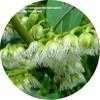
Mystery Plant: Maple Leaves, Dogwood Blooms A plant with large, dark green, maple-shaped leaves and small, white, dogwood-like flowers that bloom late in the season may be Kirengeshoma palmatum (yellow wax bells). This s
Geranium vs. Pelargonium: Clarifying the 'Geranium Bush' Confusion
Is There a Geranium Bush? The common name geranium refers to two different genera: Hardy geraniums (Geranium spp.) – perennial, mound-forming, not woody. Tender geraniums (Pelargonium spp.) – the classic potted geranium
Controlling Hollyhock Rust: Watering Practices, Sanitation, and Fungicide Options
Managing Rust on Hollyhocks Hollyhock rust (Puccinia malvacearum) appears as orange-brown pustules on leaf undersides. It spreads via water splash and thrives in humid conditions. Cultural Controls Water at soil level o
Blue Hydrangea Winter Survival and Blooming in Cold Climates: Zone Considerations and Care
Blue Hydrangea in Michigan: Winter Dieback and Bloom Failure Your blue hydrangea (H. macrophylla) is hardy to zone 5. If youre in zone 4 or colder, the top growth dies to the ground each winter, and the plant blooms on n
Revitalizing Overcrowded Iris Patches: Dividing, Replanting, and Post-Bloom Care
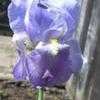
Dividing Iris for More Blooms An iris patch that produces only one flower stalk each year is severely overcrowded. Iris rhizomes need division every 3–4 years. Division Steps (Late Summer/Early Fall) Dig up the entire c
Why Hydrangea Mopheads Fail to Open: Soil, Fertilizer, Climate, and Pest Checks
Troubleshooting Unopened Hydrangea Blooms A mini hydrangea that forms mopheads but never opens them may be suffering from several issues: Soil and Fertilizer Acidic, moist soil is essential. Amend with peat moss or use
Getting Hydrangeas to Bloom: Sunlight, Fertilizer, and Soil Moisture Essentials
Three Keys to Hydrangea Flowers If your three-year-old hydrangeas have lush leaves but no blooms, check these three factors: 1. Sunlight Most hydrangeas need at least 6 hours of direct sun (morning sun is ideal). In cool
Foxglove Care: Deadheading, Self-Seeding, and Understanding Biennial vs. Perennial Types
Foxglove (Digitalis) Life Cycle and Maintenance Foxgloves are either biennials (leaf rosette year one, flower spike year two, then die) or short-lived perennials (3–5 years). The key to keeping them in your garden is all
Why Stella D'Oro Daylilies Aren't Blooming: Fertilizer, Sunlight, and Water Tips
Fixing Non-Blooming Stella DOro Daylilies Two-year-old plants that produce foliage but no flowers are usually reacting to one of three issues: 1. Excess Nitrogen High-nitrogen fertilizer (or lawn runoff) forces leaf grow
Pruning Overgrown Rose of Sharon: Timing, Techniques, and Maintaining a Tree Form
Pruning a Mature Rose of Sharon for Health and Shape A 20-year-old, multi-trunked rose of Sharon (Hibiscus syriacus) thats 20 feet tall with bending branches needs careful reduction to prevent splitting and maintain its
Identifying and Managing Leaf Spots on Black-Eyed Susans: Fungus or Something Else?
Black Spots on Rudbeckia: Getting to the Root of the Problem Brown-eyed Susan usually refers to Rudbeckia triloba, while black-eyed Susan is Rudbeckia hirta. Both can develop black leaf spots, but the cause must be ident
Troubleshooting Yellowing Daylily Foliage and Poor Blooming: Water, Fertilizer, and Rust
Yellowing Daylilies: Common Causes and Cures When daylily foliage turns yellow and blooms are sparse despite full sun, the issue is usually cultural or a fungal disease called daylily rust. Check Watering and Drainage Da
Caring for 'Sweet Dreams' Lacecap Hydrangea in Containers and Cold Climates
Sweet Dreams Hydrangea: A Lacecap Variety for Pots and Zone 5 Sweet Dreams is a cultivar of lacecap hydrangea (Hydrangea macrophylla normalis). It is a deciduous shrub hardy to USDA zone 5, but in containers its roots ar
Copyright © www.100flowers.win Botanic Garden All Rights Reserved