

Dividing Large Four O'Clock Tubers
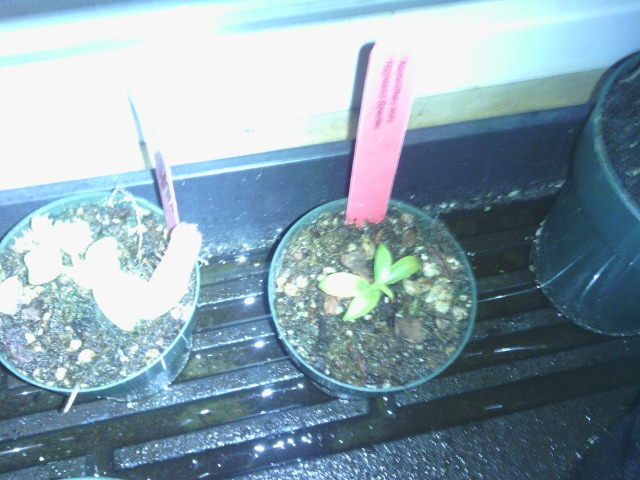
Cut Sections with Growing Eyes Four oclock (Mirabilis jalapa) tubers divide like potatoes: cut into sections each with a visible eye (growing point). Old tubers are misshapen and heavy (2-3 lbs). Dust accidental cuts wit

Shrubs and Plants for Soggy Soil in Zone 8
Moisture-Loving Species for Wet Areas For an area that stays soggy a week after rain (AL, zone 8): Trees/shrubs: Swamp maple, swamp azalea, shrub dogwood, yellow twig dogwood, St. Johns wort, winterberry, willows, sweet
Red Twig Dogwood Transplant Shock and Pruning
Cold Rain Causes Temporary Wilt Newly planted dogwoods wilted after cold rain but recovered—root systems intact. One plant developed leaf curl due to an air pocket in soil; fixed by repacking. Pruning for Stem Color Red
Confirming Rose of Sharon (Hibiscus syriacus)
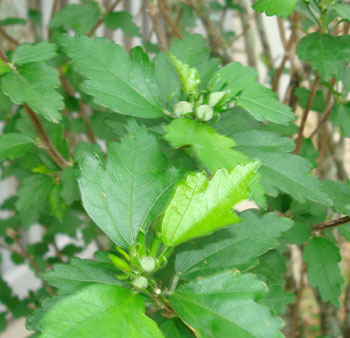
Leaf and Bud Match Photo shows classic rose-of-sharon: hardy to zone 5, hibiscus family. Distinct from hardy hibiscus (H. moscheutos) which dies to ground each winter. Rose of Sharon is a woody shrub tolerant of drought,
Stepped-On Stargazer Lily Shoot
Bulbs Often Produce Multiple Shoots A crushed emerging shoot may die, but the bulb usually sends up another. No intervention needed; wait for new growth. Bulb likely undamaged.
Dividing and Transplanting Iris in Colorado
Late Summer is Best Wait until late August to divide iris. Cut foliage to 4-inch fans, dig clumps, discard dead/borer-infested rhizomes (burn or trash, dont compost), replant 12 inches apart. Dust cuts with antifungal po
Agapanthus 'Peter Pan' in New Jersey/Maryland
Tender Perennial Requires Winter Protection Agapanthus africanus Peter Pan is not hardy in NJ (zone 6) or MD (zone 7). Bloom period: midsummer. April bloom was forced. Options: Plant in ground after frost; lift fleshy r
Peonies Sprayed with Weed-B-Gon: Recovery Steps and Future Care
Broadleaf herbicide (2,4-D, dicamba) drift on peonies causes twisted, curling foliage and bud drop. Established peonies have deep roots and often survive a single exposure. Immediate Response Do not cut foliage yet—l
Animal Damage on Jasmine: Deer or Rabbits Eating Leaves
Overnight stripping of entire leaves from jasmine stems is classic vertebrate browsing—deer or rabbits. Identification Deer: Jagged tears, browsing up to 6 ft high, often at night. Rabbits: Clean 45° cuts, damage b
Tree Fern (Dicksonia antarctica) Winter Damage: Assessing Survival and Recovery
Tree ferns are marginally hardy in Zone 8–9. A hard winter can kill the crown (growing point) even if the trunk looks intact. Signs of Life Firm, not mushy or rotten trunk. Green tissue visible when you scrape the
Honeysuckle and Climbing Rose on Same Arbor
Invasive Honeysuckle Will Outcompete Rose Honeysuckle (Lonicera) is aggressive and will smother a climbing rose, competing for light, water, and nutrients. Not recommended to share an arbor.
Canna Lilies Wilting: Washing Machine Runoff, Clay Soil, and Disease
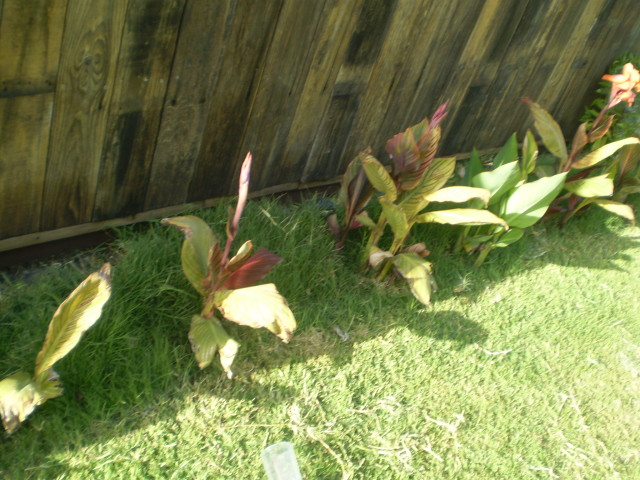
Your cannas face a triple threat: detergent-laden gray water, heavy clay, and possible disease. Primary Suspect: Washing Machine Runoff Phosphates and surfactants cause bud blast, leaf scorch, and root damage. Clay
Tropical vs. Hardy Hibiscus: Why Your Tree Struggled After Winter Indoors
There are two distinct hibiscus types, and knowing which you have explains the behavior. Tropical Hibiscus (H. rosa-sinensis) Glossy leaves, smaller flowers in red/pink/yellow/orange. Not hardy below Zone 10; must
Planting Begonia 'Bonfire' Tubers: Sprouting, Depth, and Care
Begonia Bonfire (a Boliviensis hybrid) grows from tubers. If yours sprouted in storage, its ready to plant. Planting Steps Soil: Rich, well-draining mix (peat/perlite/compost). Depth: Plant tuber concave side up, c
Tall Perennials for Bright Shade (Zone 6): Backdrop Plants for a North-Facing Corner
Finding a 5-foot perennial for bright shade (1–2 hours morning sun) in Zone 6 is challenging but possible. Here are strong candidates: Top Picks Goats beard (Aruncus dioicus) – 4–6 ft, creamy plumes in early summer,
Blue Dune Grass (Leymus arenarius): Invasive Risk and Management in a Manicured Pool Area
Blue dune grass (also called blue lyme grass) is a stunning but aggressively spreading rhizomatous grass. In a meticulously maintained stone pool surround, it will eventually escape control. Can You Contain It? Short
Starting a Calla Lily Garden in Jacksonville, Florida (Zone 9)
Jacksonvilles climate is ideal for calla lilies year-round with minimal fuss. Soil & Site Soil: Amend sandy soil with composted manure or rich compost. Sun: Full sun to partial shade (morning sun + afternoon shade
Calla Lily 'Picasso' Gift Plant: Repotting, Dormancy, and Cellar Storage Light
A potted calla lily (Picasso) will finish blooming, then foliage yellows as it enters a 3-month dormancy. Immediate Care Keep watering until foliage withers completely. Then stop watering; move pot to cool (45–55°F
Why Did My Phlox subulata Die After 4 Years? Pests, Winter, and Longevity
Creeping phlox (Phlox subulata) is generally tough, but a sudden die-off after years of success suggests a specific trigger. Likely Causes Spider mites: Tiny pests on leaf undersides cause bronzing, then death. Check
Planting a Florist Hydrangea Outdoors in California: Hardiness, Color, and Care
Mothers Day hydrangeas are usually florist cultivars (H. macrophylla) forced into bloom. They are often only hardy to Zone 8–9 and may struggle inland. Can You Plant It Outside? Coastal CA (Zone 9–10): Yes, in aftern
Copyright © www.100flowers.win Botanic Garden All Rights Reserved