


One of eight hibiscus shrubs (recently hard-pruned) shows new leaves with a lace-like pattern—tissue eaten between veins—and some browning. The overall shrub looks healthy.
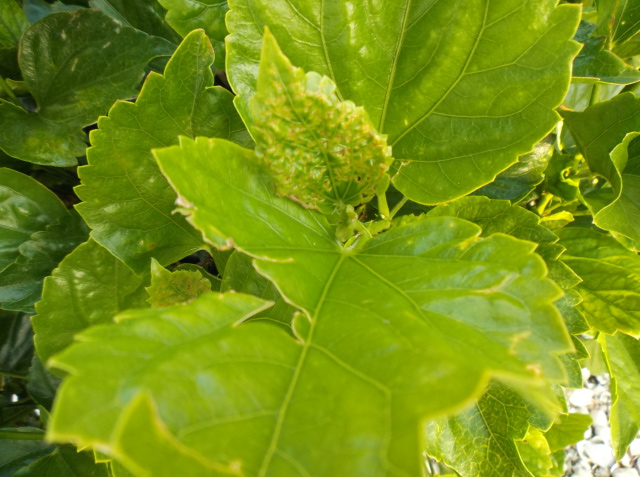
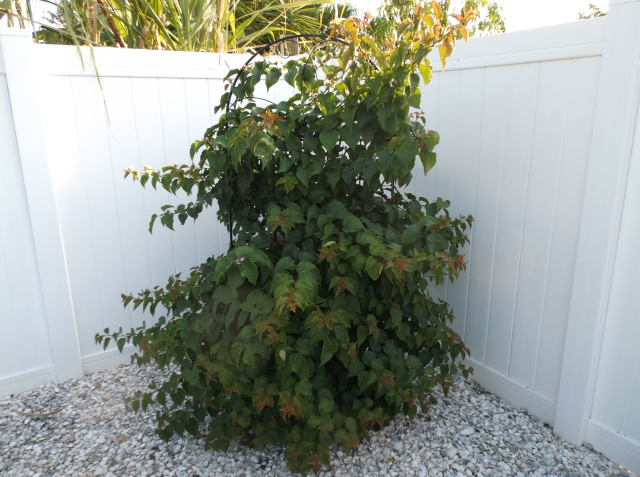
The skeletonized leaves indicate chewing insects with piercing-sucking mouthparts or leaf miners. Common hibiscus pests:
Broad-spectrum: anti-fungal, anti-insect, anti-mite. Spray weekly for 3 weeks, then monthly. Covers leaf surfaces; pests ingest it when feeding.
Derived from soil bacteria. Kills chewing insects (caterpillars, sawfly larvae, beetles) but spares most beneficials. Apply in evening to avoid bees.
If damage is limited to a few leaves, the plant will outgrow it. If spreading, treat promptly. The healthy appearance of the rest of the shrub is a good sign.
Hibiscus Winter Care: Managing Yellow Leaves After Pest Treatment
Double Hibiscus Tree Recovery After Frost and Transplant Shock
Hibiscus Leaf Drop and Sticky Residue: Root Rot Plus Insects
Reviving a Struggling Indoor Hibiscus: Sun, Dry Soil, Patience
Preventing Hibiscus Leaf Drop When Bringing Indoors for Winter
Hibiscus Leaf Drop After Moving Indoors in Extreme Heat? Don't Overwater
Diagnosing Trunk Damage on Recently Planted Foxtail and Bismarck Palms
Squirrels Eating Hibiscus Leaves on Deck: Exclusion and Repellents
Hibiscus Leaf Drop: Diagnosing and Fixing the Problem
Reviving a Heat-Stressed Hibiscus in Containers: Watering, Feeding, and Recovery Tips
Hibiscus Sawfly Larvae Skeletonize Leaves
Hibiscus Oedema: Granular Deposits from Humidity Fluctuations
Copyright © www.100flowers.win Botanic Garden All Rights Reserved