
Rescuing a Flowering VFT and Butterwort in Winter: Dormancy, Repotting, and Light
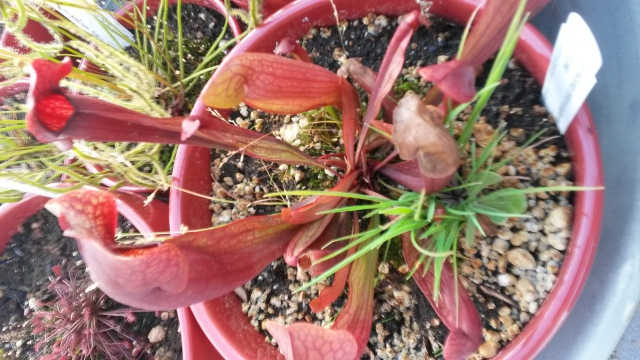
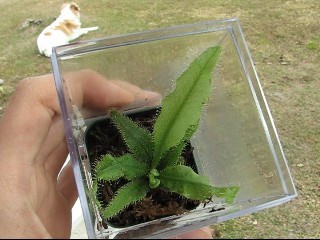
A grower bought a flowering Venus flytrap and butterwort (likely P. primuliflora) in winter, cut the VFT flower stalk, placed both in a sunny window (5–7 hrs direct sun) in peat/perlite with distilled water trays. Asks i

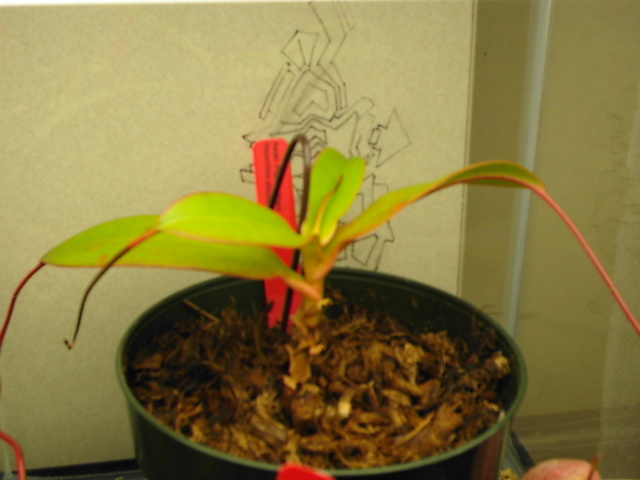
Repotting a Declining Nepenthes sibuyanensis: Stem Burial, Fertilizer, and Humidity
A growers N. sibuyanensis shows lower stem dieback and a new pitcher browning at the vine. Soil is sinking. Asks if they should cut the dead portion and repot the living top with rooting hormone. Dont Cut Yet—Repot Deep
Nepenthes villosa: Rust Spots, Humidity Needs, and Fungus Gnat Management
A new N. villosa owner sees rust-colored spots on newer leaves at 46% humidity. Photos show minor discoloration. Fungus gnats from nearby basil are also present. Rust Spots: Likely Benign Spots on older leaves are usual
Germinating Drosera capensis Seeds: Light Requirements and CFL Suitability
A grower asks how much light D. capensis seedlings need after germination and if a 100W-equivalent CFL works instead of fluorescent tubes. CFLs Work Fine Compact fluorescents are suitable. Monitor soil surface temperatu
Setting Up a Utricularia intermedia Pond: Daphnia, Cattails, and Mosquito Control
A grower building a small (3L) bowl pond for U. intermedia with peat/sand layers asks about adding Daphnia (algae control/food) and a Typha (cattail) plant. Both Are Excellent Additions Daphnia: Consume algae and bacte
Cephalotus Care: Light Cycle and Watering Refinements
A new Cephalotus owner provides 60% humidity, 24/7 fluorescent light (two 15W tubes), peat/perlite mix, and ¼ water in tray. Asks if conditions are okay. Two Key Adjustments Put lights on a timer. 24/7 light is unnatur
Can You Divide a Multi-Branched Nepenthes? Understanding Growth Habits
A grower with a 7-inch tall, 10-inch wide Asian pitcher plant showing two branches and a third basal shoot wants to split it for more plants. Nepenthes Dont Divide Like Sarracenia Nepenthes rarely form independent crown
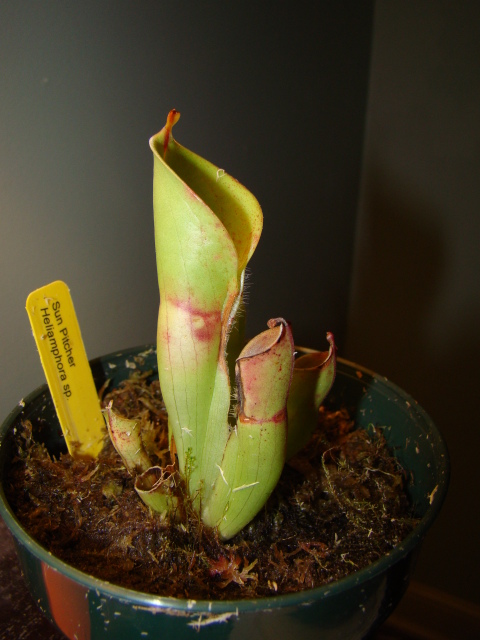
Troubleshooting Heliamphora heterodoxa × minor: Red Spots, Stalled Growth, and Care Refinements
A growers 4-inch H. heterodoxa × minor shows red/brown spots on one side after a month with no new growth, despite 90–100% humidity, 75–80°F days/65–70°F nights, 60W fluorescent lights (6–8), and overhead distilled water
Advanced Carnivorous Plants (Aldrovanda, Drosophyllum, Byblis) and Spring Emergence Timing
A grower plans to tackle Aldrovanda, Drosophyllum, and Byblis but doesnt know their care. They also ask when Sarracenia Judith Hindle, S. flava, and D. filiformis Florida Giant will break dormancy. Advanced Species: Do
Boosting Nepenthes Pitcher Production: Light, Temperature, and Foliar Feeding
A Portland grower with N. Miranda and N. sanguinea under lights (8 inches away) gets only 2–3 week pitcher lifespan and slight red coloration. They use African violet pots and fertilize every other month. Primary Fix: I
Trimming Old Nepenthes Pitchers: When and How
An Ohio grower with a Nepenthes Deroose Alata asks whether to trim off 5 old, blackening pitchers or let them fall naturally, and where to cut if trimming. Simple Rule: Aesthetics Over Necessity Cut them off when you ca
Dormancy Length in Zone 6: No Harm to Sarracenia or Darlingtonia
A Kentucky grower (Zone 6) worries that the longer winter dormancy (vs. Floridas Zone 8–9) might stunt or kill Darlingtonia californica and Sarracenia species like S. flava. Good News: Extra Dormancy Is Not a Problem Ma
Spring Cleanup for Sarracenia: Trimming Dead Leaves and Phyllodia
A Los Angeles grower asks which winter leaves (phyllodia) to remove from their Sarracenia collection (Pale Pitcher, Yellow Trumpet, White Top, Judith Hindle, Hooded Pitcher, Canebrake Sweet Pitcher) as spring approaches.
Overwintering Sarracenia in Small Pots and Shipping Mexican Pinguicula Bare-Root Internationally
A Zone 6 grower successfully dividing Sarracenia wants to downsize from 14-inch pots to 1–2.5 gallon containers for winter, using mulch. They also ask about bare-root shipping of Mexican Pinguicula internationally (wrapp
Identifying the Nepenthes Hybrid in the "Asian Pitcher Plant Hybrids" Website Image
A website visitor asks about the Nepenthes hybrid shown as the image link for Asian Pitcher Plant Hybrids on the Tropical Plants page—depicting two reddish traps with the main stem off to the left. The Plant: Nepenthes
Container Bog Gardens: A Squirrel-Proof Solution for Carnivorous Plants
A Northern Virginia grower wants to recreate a carnivorous plant garden in a large plastic tub after squirrels destroyed their in-ground bog. They plan to move the tub seasonally—out during growing season, secured indoor
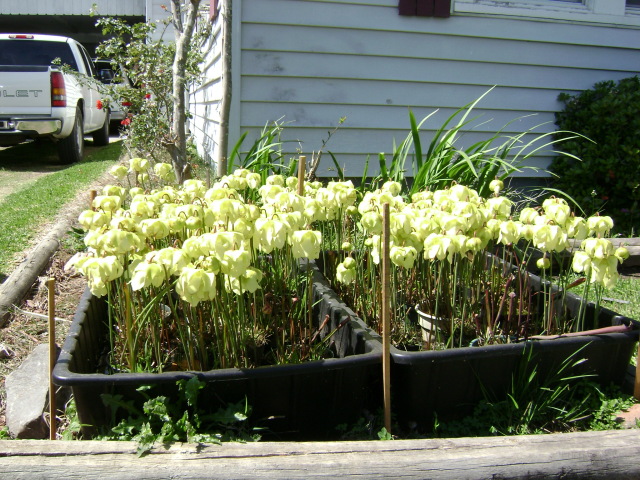
Solving Mysterious Late-Summer Sarracenia Death in Hot Climates: Soil Overheating and Peat Breakdown
A Louisiana grower (Zone 9) loses Sarracenia flava, S. purpurea, and hybrids every late August–September—plants rot from healthy to dead—while S. alata thrives in identical conditions (full sun, rainwater, peat/sand/perl
Reviving a Darlingtonia and Nepenthes from Big-Box Store Cubes: The Critical Hardening-Off Process
A grower in NYC reports that a Darlingtonia californica (cobra lily) and Nepenthes alata declined rapidly after purchase—Nepenthes turning black from the growing point, Darlingtonia shriveling—despite 85°F temps, 12–16 h
Repotting Drosera scorpioides: When and How to Harden Off Leaf and Root Cuttings
A grower with a Drosera scorpioides (shaggy sundew) over a year old notes a woody, brown lower stem and asks if repotting helps. They also have spoonleaf sundew (D. spatulata) leaf and root cuttings at 7 weeks and want t
Using Volcanic Rock (Tezontle) in Carnivorous Plant Soil and Pygmy Sundew Lifespan Clarification
A grower asks about using Tezontle, a red volcanic rock, for soil aeration and as a decorative top dressing, and seeks clarification on pygmy sundew lifespan (annual vs. biennial). Volcanic Rock Safety Nearly all commer
Copyright © www.100flowers.win Botanic Garden All Rights Reserved