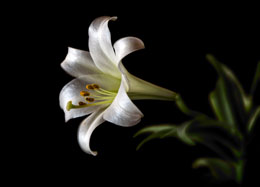


Self-Pollinating Sarracenia flava: Collecting Pollen
A growers S. flava flowered while others hadnt, and asked if they could use its pollen to self-pollinate. Yes, Self-Pollination Works Jacob Farin confirmed: collect pollen from the same plant to self-pollinate. Pod swel

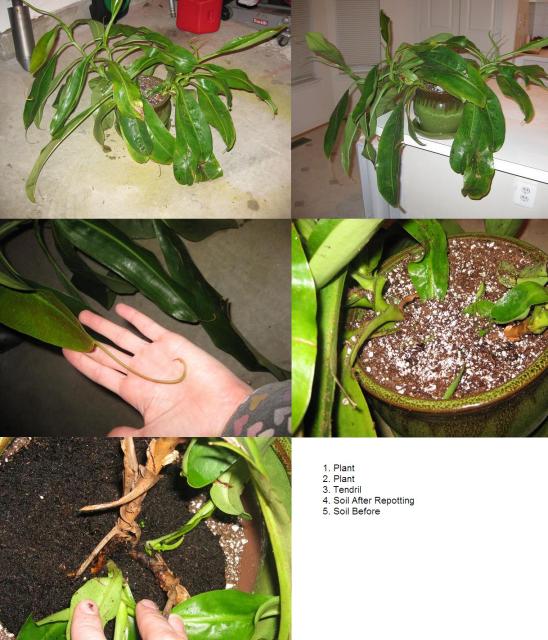
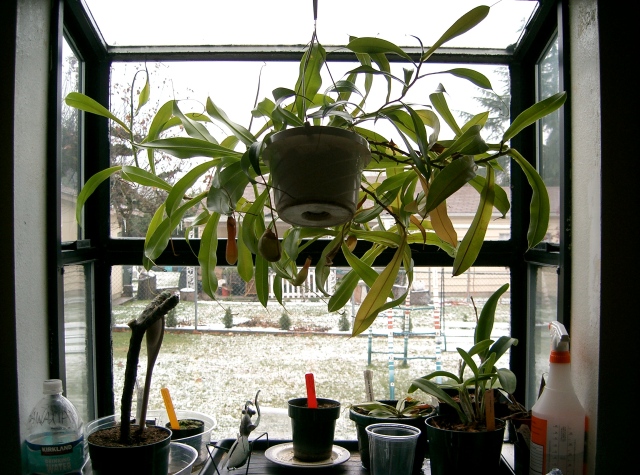
Identifying and Repotting a Mystery Nepenthes (Likely Miranda)
A grower bought a large hanging pitcher plant with no ID tag, repotted in 1:1 dried sphagnum/perlite, and asked about soil, pot size, vine growth, age estimation, and leaf trimming. Identification and Initial Care Jacob
Indoor Grow Light Setup for Carnivorous Plants: Wattage and Distance
A college student moved plants indoors, using a grow light ~12 inches above plants, 14-hour timer, fan, and 1-2 inches distilled water. Asked if sufficient. Critical Factors Use 40-watt fluorescent tubes (not 20-watt).
Heating a Terrarium for Lowland Nepenthes in Zone 9
A San Jose (Zone 9) grower with a terrarium asked which lowland Nepenthes to grow and if a reptile heat rock would work for winter heating. Expert Stance on Terrariums Jacob Farin advocates growing plants suited to your
Lime Sulfur Fungicide Accident on Nepenthes: Recovery Steps
An Australian grower used Yates Lime Sulphur fungicide (calcium-bound sulfur) on Nepenthes for mold, realized its toxic to carnivorous plants, and washed it off after 20 minutes. Asked if plants are in trouble and what s
Cephalotus follicularis: Reproduction and Lifespan
A question about how Cephalotus follicularis reproduces and its lifespan. Propagation Methods Seeds Rhizome offshoot division (like Venus flytraps) Leaf cuttings Rhizome cuttings Lifespan Several years. Christopher i
Drosera slackii Care: Grow Like a Cape Sundew
A grower ordered Drosera slackii after years of waiting and asked for specific care tips. Regional Guidance Christopher hasnt cultivated D. slackii but knows its from South Africas Cape region. Hed grow it alongside Cap
Venus Flytrap Flowering: Self-Pollination and Seed Collection
A Florida grower had three pots of Venus flytraps, one with ~15 flower buds, and asked how to get seeds. No Intervention Needed Jacob Farin said flytraps self-pollinate readily. Just let nature take its course; seeds wi
How Wet Should Carnivorous Plant Soil Be? The Simple Answer
A grower asked how wet the soil should feel (dripping? moist?) in a pot sitting in 1-2 inches of distilled water. Just Moistened Throughout Jacob Farin said as long as soil is moistened throughout initially, its fine. T
Baby Pitchers on Sarracenia purpurea: Rhizome Divisions, Not Energy Drain
Another grower (same question as 22925) asked about tiny brown-tipped pitchers on a Sarracenia purpurea. Theyre New Plants Christopher explained the tiny pitchers are rhizome divisions – baby plants sprouting from the p
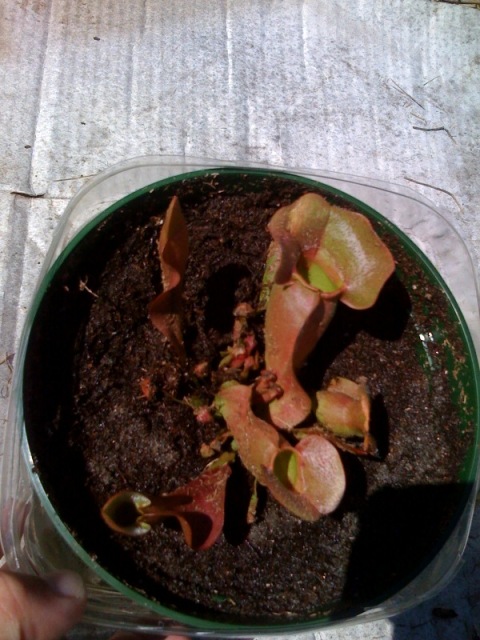
Trimming Old Baby Pitchers on Sarracenia: Necessary or Optional?
A grower had a Sarracenia with 4 large pitchers and 7 tiny brown-tipped pitchers from last season. Asked if they should trim them to redirect energy. Expert Advice Jacob Farin said baby pitchers are from last season; tr
Soil Mix Adjustment for Tall Sarracenia Pots: Peat/Perlite Ratio
A grower increased peat to 2.5:1 peat/perlite in 16-inch pots because water trays only reach 1/3 up the pot, hoping to retain more moisture. Expert Warning Jacob Farin advised against high peat ratios. Aeration is vital
Partial Deformity in Venus Flytrap: One Crown Healthy, One Not
A South African growers Venus flytrap, after repotting into pure sphagnum peat, showed two healthy crowns but one producing deformed, toothless, lopsided traps. Plant on sunny windowsill, soil damp. Diagnosis Check pea
Danger: Miracle-Gro Peat and Perlite Kill Carnivorous Plants
Why Fertilized Peat Moss Is Deadly and What to Use Instead A grower discovered their peat moss and perlite were enriched with plant food (Miracle-Gro brand) after repotting flytraps, pitcher plants, and sundews. The Pro
Fixing Tissue Culture Sarracenia psittacina Growth Issues
Why Your Parrot Pitcher Has Tiny, Split, Pale Pitchers A growers Sarracenia psittacina produced numerous small, pale, split-topped pitchers—a classic sign of tissue culture origin. The Tissue Culture Problem Sarracenia
Recovering Drosera After Cat Damage and Root Disturbance
Why Your Sundews Stopped Producing Dew After Being Knocked Over A growers cats knocked newly potted sundews out of their pots. After washing and repotting, the plants produced new leaves but no dew—even the older leaves
Proper Soil Mix for Mexican Pinguicula
Why Live Sphagnum and Heavy Mixes Harm Mexican Butterworts A grower planted Pinguicula moctezumae and P. moranensis in live sphagnum moss with perlite, sand, vermiculite, and peat—then learned this mix can rot the plants
Smelly Soil During Repotting: Normal or Problem?
A grower noticed a manure/compost odor when repotting carnivorous plants in peat/sand/pumice mix. Asked if smell is normal for bog plants. Odor Indicates Problems Jacob Farin said soil should have no smell. Manure smell
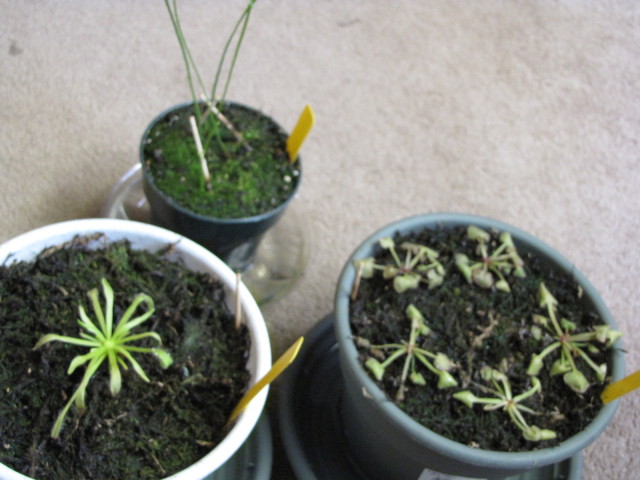
Solving Malformed Drosera: The Hidden Mineral Problem
Why Your Sundews Are Deformed While Other Carnivores Thrive A grower with healthy Dionaea, Sarracenia, and Nepenthes struggled with Drosera capensis, D. prolifera, and D. binata producing short, wide, dewless, malformed
Testing Rain Barrel Water for Zinc and Minerals
Is Your Roof Runoff Safe for Carnivorous Plants? Using rain barrel water for carnivorous plants is common, but roofing materials can leach zinc and other metals. Testing ensures your water wont harm sensitive species. T
Copyright © www.100flowers.win Botanic Garden All Rights Reserved