


Festuca rubra (Red Fescue): Morphology, Uses, and Lawn Performance
Understanding Red Fescue for Lawns and Naturalistic Plantings Festuca rubra, commonly known as red fescue or creeping red fescue, is a cool-season grass valued for its fine texture, shade tolerance, and low maintenance r

Preparing Garden Beds: A Step-by-Step Guide for Large and Small Gardens
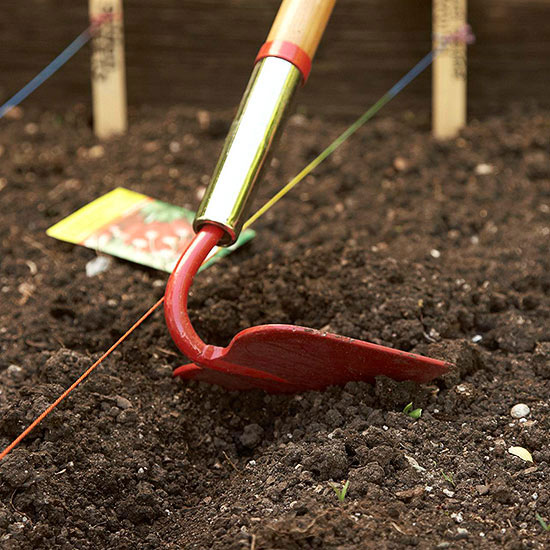
How to Create Perfect Planting Beds from Scratch Whether youre starting a new garden or renovating an existing one, proper bed preparation is the foundation of healthy plants. Heres a practical, scalable approach for any
Planting Under a Mature Cherry Tree: Solutions for Surface Roots and Shade
Gardening Beneath a Cherry Tree: Tackling Roots, Shade, and Foot Traffic You have a heart-shaped bed around a mature sour cherry tree in Salem, OR (Zone 8b). The trees large surface roots make deep digging difficult, the
Choosing a Tree Near a Swimming Pool in Zone 9a
Selecting the Right Shade Tree for Your Poolside Backyard You live in Sunset Zone 18 (USDA 9a) with a new gunite rock pool and a full-sun planting area. You want a deciduous tree for summer shade but need to know how clo
How to Find a Residential Landscape Designer in San Diego for a Small Yard
Finding the Right Landscape Designer for Your San Diego Home Youve just purchased a new home in San Diego and youre ready to tackle the landscaping. With a modest lot of 5,100 square feet and a budget under $30,000, you
Why Jacaranda Trees Drop Leaves in Winter: Semi-Deciduous Nature Explained
Normal Behavior Jacaranda (Jacaranda mimosifolia) is semi-deciduous. In San Diego, leaf drop in February (even at 72°F) is typical. The canopy is naturally open and wispy—a thin crown is not a defect. Cultural Needs for
Designing a Landscape Color Scheme: Moving Beyond Red with Brick
Avoid Red-on-Red Red flowers against red brick disappear. Instead, choose contrasting or complementary hues: whites, purples, blues, yellows, and variegated foliage. Seasonal Color Flow In many regions, the flower year
Pruning Overgrown Hollies and Replacing Damaged Azaleas
Holly Renovation Hollies tolerate severe pruning. Cut back to the desired height (just above a leaf node) using loppers or a pruning saw. Shear the sides to shape. Expect a bare look for 1–2 years as new growth fills in.
Overhanging Tree Disputes: Legal Responsibility and Arborist Advice
Legal Basics (General) If a tree is visibly diseased or dead, the owner is liable for damage it causes, even in a storm. A healthy tree falling in a storm is an act of God—the owner where it lands bears the loss. Neighb
Fast-Growing Privacy Screening: Choosing the Right Trees and Shrubs
Key Criteria For a 60-ft wide rear yard, you need evergreen, fast-growing, and narrow enough to fit the space. Height of 8 ft may suffice for ground-level views, but 12–15 ft blocks second-story sightlines. Top Recommen
Growing Creeping Fig on a Wall: Planting Tips and Patience
What to Expect Creeping fig (Ficus pumila) is a slow starter. The first year is mostly root establishment; visible growth often doesnt take off until year two or three. In Southern California, it thrives with minimal car
Calculating River Rock Coverage: How Much Stone Do You Need?
Volume-Based Calculation Stone is sold by the cubic yard. One cubic yard spread 2 inches deep covers approximately 4.24 square yards (38.2 square feet). Formula Cubic yards needed = (Area in square feet × Depth in inche
Revamping Foundation Plantings: Removing Plastic, Grading Soil, and Choosing Mulch
Remove the Black Plastic Landscape fabric or plastic under wood chips creates a hydrophobic layer, starves soil of oxygen, and eventually surfaces as brittle litter. Strip it all out—tedious but essential. Grade Soil Aw
Best Mulch for Sloped Beds: Keeping Mulch in Place on Hillsides
Why Mulch Slides Light materials like pine bark nuggets or straw lack cohesion and wash or blow away on steep grades. The steeper the slope, the heavier and more interlocking the mulch must be. Top Choices for Slopes Co
Gopher Control: Effective Strategies for Protecting Your Yard
Understanding the Enemy Pocket gophers move up to 50 tons of soil per acre per year. They live 2–5 years, produce two litters annually of 4–10 young, and can quickly turn a lawn into a minefield. Control Options Exclusi
Propagating Aucuba: A Step-by-Step Guide to Rooting Cuttings
When to Take Aucuba Cuttings The best time to propagate aucuba (Aucuba japonica) is late spring to early summer when new growth has partially hardened. In New York, aim for late May through June. Avoid the heat of midsum
Fast Privacy Screening for Northern Ohio: Plants vs. Structures
Blocking a neighbors unsightly house from a north-facing kitchen window in Zone 5-6 requires balancing speed, height, density, and maintenance. The property line is only 10 ft away—space is tight. Immediate Solutions (N
Leveling a Split-Level Lawn: Grading vs. Retaining Walls
Converting a 2-ft drop over 40x12 ft into a level lawn involves choosing between cut-and-fill grading or building a retaining wall with fill. Each approach has trade-offs in cost, effort, and long-term stability. Option
Pruning Butterfly Bush for Maximum Blooms
Butterfly bush (Buddleia davidii) blooms on new wood, making late winter/early spring pruning essential for vigorous growth and abundant flowers. In Vienna, WV (Zone 6), prune in March before new growth emerges. When an
Building Durable Raised Garden Beds: Materials, Liners, and Soil Mix
Well-constructed raised beds last decades and provide optimal growing conditions. Key decisions: wall material, liner use, depth, and soil composition. Optimal Depth: 12-18 Inches 12 suffices for most vegetables; 18-24
Copyright © www.100flowers.win Botanic Garden All Rights Reserved