
Mini Trees for Florida: Conifers, Palms & Flowering Shrubs
Same brief as #9248—heres a different plant palette focused on evergreens and palms. Evergreen Mini-Trees Dwarf Blue Corkbark Fir — 8–10 in 20 years Degroots Spire Arborvitae — 6–12, narrow column The Blues Weeping Col

5 Mini Trees + Flowers for a Tropical Front Strip on a Tiny Budget
Florida front strip, 5–8 ft max height, tropical, low maintenance, cheap. Heres a practical plant list. Trees/Shrubs (Prune to Stay Under 8) Dwarf Poinciana Crape Myrtle Bottlebrush Dwarf Magnolia Shrubs (Naturally 5
Variegated Privet Hedge Turning Yellow? You're Probably Overwatering
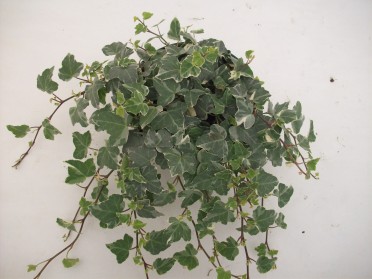
July-planted variegated privets, daily hour-long drip irrigation, now yellow and sparse in winter? Classic root rot from overwatering. The Problem Variegated privet (Ligustrum sinense) tolerates heat and drought—but hat
How Landscape Architects Use the Pythagorean Theorem
Its not just for math class. The Pythagorean theorem (a² + b² = c²) solves real layout problems daily. Common Applications Slope length: Calculate run of a ramp or path given rise and horizontal distance Diagonal spaci
Small Weeping Trees for a 5×5 Foundation Spot in Partial Shade
Need a weeping tree that fits a 5×5 foot pocket near the house, tolerates shade, and stays small? Here are shade-tolerant options with mature dimensions. Top Picks Weeping redbud: 4–10 H×W, heart-shaped leaves, pink sp
Juneberry vs. Chokecherry: Which Grows Faster for Privacy in Zone 4?
Planting for privacy in SE South Dakota (Zone 4/5 border)? Both Juneberry (Autumn Brilliance) and Canadian Red Chokecherry grow at similar rates—~2 feet/year in ideal conditions. Quick Comparison JuneberryChokecherry M
Neighbor's Runoff: Stop Water at the Fence Without Causing Problems
Water seeps under the fence from your neighbors higher yard. You want a barrier—but damming water against a wood fence rots posts and shifts the problem next door. Better Than Flashing & Block Swale or shallow basin on
Finding Crushed Oyster Shells for a Bocce Court in NJ
Building a bocce court in NJ/Hudson Valley and need shell? East Coast suppliers dominate, but local options exist. Known Sources (Verify Current Status) Carolina Supplies & Materials (Charleston, SC) — ships nationwide
Stone Mulch vs. Organic Mulch: What's Best for Your Condo Beds?
15-year-old stone mulch around condo shrubs—replenish or switch? Heres the breakdown. Stone Mulch Pros Stays put (blowers wont move it) Low replenishment Clean look long-term Stone Mulch Cons Absorbs heat—stresses s
Japanese Maple Lost All Leaves After Planting: Shock or Deer?
New Japanese maple, planted pro, leaves gone in days. Two suspects: transplant shock or deer. Heres how to tell. Transplant Shock Signs Leaves wilt, brown at edges, drop gradually Branches remain flexible, bark green u
Mortar Joint Thickness for Resetting Loose Stones in a Wall
Achieving a Consistent ½-Inch Mortar Joint When resetting a loose stone onto another, apply a mortar bed approximately 1 inch thick. The weight of the upper stone will compress the mortar to about ½ inch, ensuring a soli
Climbing Vines for a Tall Fence Around a Cell Tower
Screening a cellular tower fence? You need vigorous, clinging vines that cover vertical fast. Here are top picks for sun to part shade. Best Clinging & Twining Vines Virginia creeper: Native, fast, brilliant red fall c
Deadmen for a 2-Foot Timber Retaining Wall: Spacing & Necessity
Building a 2-foot, 6×6 pressure-treated timber wall along a driveway? Deadmen (tiebacks) are essential—even at this height. Why Deadmen Matter Timber walls lack the mass of stone or concrete. Without tiebacks, soil pres
Sweetgum Tree Roots: Shallow, Wide, and Surprisingly Stable
Sweetgums (Liquidambar styraciflua) get a bad rap for aggressive roots. The reality? Shallow, wide-spreading, and excellent at holding soil on slopes. Root Architecture Picture a wine glass on a dinner plate—the plate i
How to Become a Licensed Landscape Architect
Landscape architecture blends design, ecology, and engineering. Licensure protects public safety—and opens professional doors. The U.S. Pathway Education: Accredited BLA or MLA degree (4–6 years) Experience: 1–4 years

Dirt Against Brick: Retaining Wall Solutions That Protect Your Foundation
Your builder left the house high, creating a steep slope. You want a retaining wall—but code says no soil against brick. Heres how to thread that needle. The Code Reality Most codes require 4–6 inches between brick and
Beautify That Roadside Ditch After Paving
Road widening left you with a muddy, gravel-strewn ditch. Turn it into an asset with plants that tolerate tough conditions and look good doing it. Plant Options for Ditches Ornamental grasses: Deep roots stabilize soil
Steep Driveway Solutions: When the Slope Makes Parking Impossible
You love the house. The driveway? A 25%+ grade that scrapes bumpers and terrifies in rain. Can it be fixed? Yes—but its neither cheap nor simple. The Hard Numbers Landscape standards max out at 15% slope (6.5:1). Above
No Gutters, No Plants, No Snakes: Low-Maintenance Front Yard Solutions
Youve stripped the beds, laid fabric and rock, and still battle leaves, weeds, and snakes. No gutters means roof runoff turns your rock bed into a compost factory. Here are practical, low-maintenance fixes for a 3×12 zon
Stop Your Fire Pit Bowl from Burning Through
Metal fire pits look great—until the bottom rusts out after a season or two. Heat, ash acids, and moisture team up to eat through steel. Heres how to extend the life of your fire bowl. Why They Fail Wood ash is acidic.
Copyright © www.100flowers.win Botanic Garden All Rights Reserved