
Foundation Drainage: Why Berms Are Wrong and French Drains Are Right
Fixing Basement Seepage: Grading vs. Drainage Adding soil (berm) against a block foundation worsens seepage. You need less soil contact, not more. Correct Approach Diagnose source – Roof runoff? High water table? Surfa

Yellowing Gardenia Leaves: Diagnosing Chlorosis from pH, Water, or Nutrients
Why Gardenias Turn Yellow Yellow leaves (chlorosis) mean insufficient nitrogen uptake. Three main causes: 1. Water Issues Too dry – nutrients cant move in solution. Too wet – roots rot, cant absorb. 2. Poor Soil Fert
Groundcovers Under Pecan Trees: Shade, Harvest Access, and Root Competition
Landscaping Under Mature Pecans in Oklahoma 10 producing pecans create dense shade and heavy nut/husk litter. Few plants tolerate this combo while allowing harvest access. Realistic Options Paver patio (permeable) – Al
Italian Cypress in Zone 7 Texas: Growth Rate, Maintenance, and Height Control
Italian Cypress (Cupressus sempervirens) for Texas Zone 7 Fast-growing once established (2-3 ft/year), reaching 40-60 ft tall x 3-5 ft wide. Low maintenance if managed. Height Control Annual trim in March maintains des
Growing Cedar Seedlings Indoors: Temporary Care Before Outdoor Planting
Incense Cedar (Calocedrus decurrens) Seedling Care Your 9-11 inch seedlings are likely Incense Cedar (native to CA/OR). They are outdoor trees—indoor conditions cause etiolation (weak, leggy growth). Immediate Steps Po
Full-Sun Evergreen Shrubs for Vermont Foundations: Replacing Failed Rhododendrons
Southern Exposure Foundation Shrubs for Zone 4-5 Rhododendrons fail in full sun/wind. These evergreens thrive in Vermonts southern exposure: Top Recommendations Arborvitae/Thuja – Emerald Green (narrow), Techny (hardy)
Replacing an Old Concrete Sidewalk Without Damaging the Foundation
A 100-year-old home with a 6-inch-thick sidewalk against the back door presents a dilemma: the walk goes unused because the real traffic pattern is from the driveway across the lawn. Removing it safely requires the right
Rescuing Flooded Shrubs and Grasses: Bare-Root Recovery After Trench Flooding
Saving Plants After Sprinkler Trench Flooding Standing water for 2+ days in trenches around shrubs/grasses requires quick action to prevent root rot and desiccation. Immediate Steps Drain trenches – Pump or siphon wate
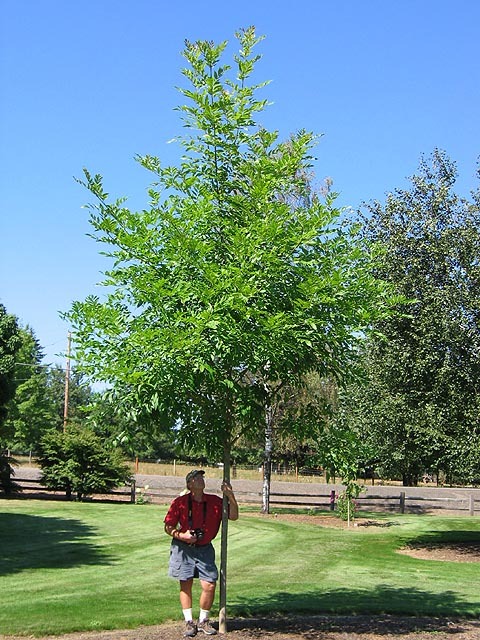
Green Ash as a Front Yard Shade Tree for Southwestern Ontario
Tree Selection: Green Ash (Fraxinus pennsylvanica) For a west-facing front yard replacing a peach tree, Green Ash offers: High branching (street tree form) – wont block kitchen window views. Compact, upright oval shape
Front Yard Planting for a Mobile Home: Low-Cost, Low-Maintenance Design
Landscaping a 66-Foot Mobile Home Frontage Morning sun/evening shade (east-facing) in Zone 5 (Canada) offers many options. Focus on the Right Plant, Right Place framework. Five Key Factors Climate Zone – Find yours at
Stabilizing Eroding Slopes: Terracing and Dry-Stack Walls for a 20-Year-Old Property
Addressing Active Erosion on Multiple Slopes A 10-foot street-side slope, cracked driveway, and diminishing side slopes indicate serious soil movement. Existing shrubs are the only stabilization—do not remove them. Imme
Natural Woven Fencing Alternatives for Connecticut: Living Screens vs. Imported Hazel
Creating a Woven Screen Without European Hazel Hazel (Corylus avellana) for continuous woven fencing is largely imported. Native U.S. alternatives for DIY weaving are limited. Living Screen Alternatives (Better for CT)
Restringing a Bump-Feed String Trimmer: Finding the Right Manual
Rewinding Trimmer Line on a Dual-Port Bump Head Most bump-feed heads use a pre-wound spool that pops in/out, or a fixed spool you wind manually. The winding direction and line diameter are model-specific. Quick Steps (G
Green Scale on Citrus and Ornamentals: Organic Control of Coccus viridis
Identifying and Treating Green Scale (Coccus viridis) Green scale on citrus, gardenia, ficus, and tomatoes suggests Coccus viridis (green shield scale). Ants often farm them for honeydew. Organic Treatment Plan Paraffi
Rock Garden and Dry Creekbed for a Yard Mound
Alternative Mound Treatment: Rock Garden Feature For a 9-foot mound over a water pipe, a rock garden with a dry creekbed adds structure and drainage without deep planting. Design Concept Upper slope: Mixed boulders and
Landscaping a Yard Mound: Ground Cover Solutions for a 9-Foot Berm
Decorating a Permanent Mound Over a Water Line A 9-foot long, 6-12 inch high mound over a water pipe cant be removed or heavily planted. Ground cover is the ideal low-maintenance solution. What Is Ground Cover? Low-grow
Diagnosing a Leaking Fountain: Splash Loss vs. Plumbing Leaks
Why a Fountain Loses Water Only When Running If a fountain (planter over reservoir) holds water when off but loses it rapidly when running, the pump isnt leaking—water is escaping externally during operation. Common Cul
Designing a 2-Acre Windbreak: Species Mix, Staggering, and Spruce Companions
Tree Line Design for a 200x300 ft Property Your 1.38-acre parcel (200x300 ft) with willow, skyview poplar, and green ash needs diversity for function and aesthetics. Windbreak Design Principles Stagger 3 offset rows (n
Plants Rising Out of Mulch: Moles, Planting Depth, and Remediation
Why Plants and Mulch Are Lifting If plants, mulch, and weed fabric are rising above the bed level, two main causes exist: 1. Improper Planting Root balls not loosened/teased at planting. Planted too high; soil settles,
Companion Plants for Azaleas: Perennials for Acidic, Shady Beds
Planting Partners for Azaleas Azaleas thrive in acidic, moist, well-drained soil with dappled shade. Choose companions with similar needs. Low-Growing Perennials (3-4 ft wide x 2 ft deep bed) Creeping Mahonia (Mahonia
Copyright © www.100flowers.win Botanic Garden All Rights Reserved