




Terrazzo Patio from Scrap Granite and Marble: Techniques and Considerations
Creating a Terrazzo Surface from Stone Scraps Using random granite/marble pieces for a 1,000 sq ft patio is a classic terrazzo application—chips set in cementitious binder, then ground smooth. Methods by Chip Size Larg

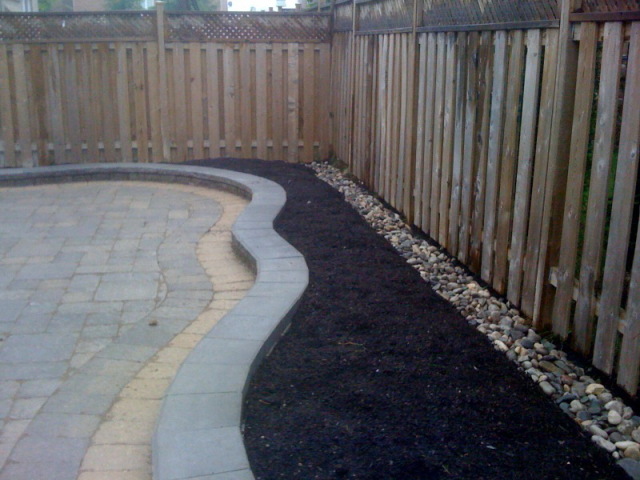
River Rock Drainage Trench: Fabric, Standing Water, and Clay Soil Solutions
Evaluating a Perimeter Rock Drainage Strip A 1-foot river rock trench along a fence (per city code) with landscape fabric underneath created standing water in clay soil. The fabric impedes drainage; the trench acts as a
Circular Tree Ring Alternatives: Flexible Edging for Small Beds
Edging a 24-Inch Circular Bed Scalloped stone tree rings come in fixed sizes; combining 24-inch sections overshoots a small circle. Better options exist for custom curves. Flexible Edging Materials Recycled plastic lum
Soil Hole Expansion: Erosion, Frost Heave, and Angle of Repose
Will a Backyard Hole Expand from Rain and Freeze? A dug hole in rain-prone areas will not stay open—gravity and erosion cause sidewalls to collapse to the angle of repose (natural stable slope for that soil). Water lubri
Landscaping a Steep Slope: Erosion Control with Plants and Mulch
Stabilizing a 5-Foot Steep Incline On a steep slope below a leveled house pad, vegetation is the best long-term erosion control. Rocks alone attract snakes/scorpions and dont bind soil. Recommended Approach Deep-rooted
Pruning Arborvitae: Timing and Technique for Healthy Growth
When and How to Prune Arborvitae Most arborvitae (Thuja spp.) require little pruning beyond height control. They do not regenerate from old wood, so aggressive cutting causes permanent bare zones. Best Timing Late wint
Bradford Pear Tree Near House: Root Risk and Lifespan
Bradford Pear (Pyrus calleryana Bradford) at 5 Meters A Bradford pear 5 meters (~16 feet) from the foundation poses minimal root risk. Its shallow, non-invasive roots rarely damage structures, even when grafted onto othe
Repairing Sunken Pavers in a Driveway: Base Preparation and Joint Sand
Fixing Settled Driveway Pavers Sunken pavers indicate base failure, often from non-uniform stone dust (crusher fines) that compacts unevenly under vehicle loads. Correct Repair Process Remove sunken pavers and surround
Growing Sago Palms in Alabama: Winter Protection and Care
Sago Palm (Cycas revoluta) Hardiness in Zone 7-8 Northern Alabama is Zone 7; southern is Zone 8. Sago palms tolerate 15°F to 110°F once established, making them suitable for most of Alabama with minor precautions. Estab
Brick Path Edging and Joint Options for Informal Walkways
Building a Durable Brick Path Replacing grass with brick requires proper edging and joint treatment to prevent shifting and weed growth. Edging: Plastic vs. Steel/Paver Restraints Standard plastic garden edging lacks ri
Catch Basin Maintenance: Solving Standing Water and Mosquitoes
Managing Water in Catch Basins Catch basins (storm drain inlets) are designed with a sump—a basin below the outlet pipe—to capture sediment. Standing water in this sump is normal but breeds mosquitoes and causes odors.
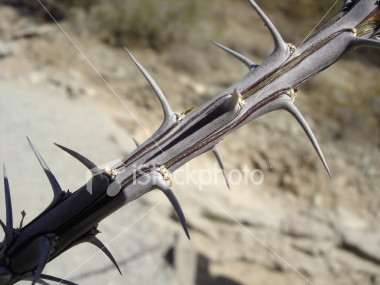
Ocotillo Pruning Basics: Managing Height and Legginess Safely
How to Prune Ocotillo for a Compact, Attractive Form Ocotillo naturally grows tall and leggy. Pruning encourages bushier growth and keeps it in scale with your landscape. The plant is exceptionally tough and responds wel
Italian Cypress Decline: When to Call a Certified Arborist
Diagnosing Dieback in Italian Cypress An Italian cypress showing progressive branch death from the ground up—especially after drought followed by heavy rain—could be suffering from root rot, canker, spider mites, or othe
Pruning Ocotillo Thorns: Risks, Techniques, and Step-by-Step Safety Guide
Can You Remove Ocotillo Thorns Without Killing the Plant? Ocotillo (Fouquieria splendens) relies on its thorns for defense against herbivores and for shading its photosynthetic stems. Removing them is unconventional and
Landscaping a Flat-Front Modular Home: Softening Lines, Adding Depth, and Boosting Curb Appeal
Transforming a Linear, Monochromatic Facade into a Welcoming Entry A long, low manufactured home with a straight driveway and minimal vegetation can feel stark. Strategic planting, color accents, and hardscape curves can
Designing an Effective Windbreak: Distance, Species Selection, and Layout for Rural Homes
Creating a Windbreak That Protects Without Causing Problems A well-designed windbreak reduces heating costs, shields outdoor living spaces, and enhances privacy. The key is creating an air pocket that lifts wind over the
Foundation Planting Guide: Safe Shrubs, Spacing, and Root Concerns for Zone 5
Planting Near Your Foundation Without Fear of Damage Homeowners often worry that shrub roots will crack foundations or invade sewer lines. The good news: most common foundation shrubs have well-behaved root systems and p
Binding Gravel Paths with Permeable Stabilizers: Products That Lock Stone in Place
Stabilizing Loose Gravel Without Sacrificing Drainage If youve seen a gravel pathway that stays firm underfoot yet lets rainwater percolate through, youve likely witnessed a polymeric sand or resin-based binder in action
Achieving a Natural Stone Appearance with Concrete Stain Transforming plain concrete into a convincing random stone pattern is a popular hardscape project. Whether youre working on a patio, walkway, or fire pit surround,
Paver Installation Over Concrete: Mortar vs. Sand Joints
Setting Pavers on an Existing Concrete Slab Installing pavers over concrete with adhesive (SRW) requires mortar joints, not sand or stone dust, to prevent water entrapment and freeze-thaw damage. Why Sand Fails Over Con
Copyright © www.100flowers.win Botanic Garden All Rights Reserved