



Self-Watering Pots for Tomatoes: Complete Guide
Self-watering pots use capillary action (wicks or direct soil contact) to draw water upward from reservoirs — roots dont need to reach the water. How They Work Soil wicks moisture from reservoir continuously Water from

Fertilizing Pre-Fertilized Organic Potting Mix for Tomatoes
Your organic potting mix already contains fertilizer — adding slow-release granules risks excess nitrogen, which promotes foliage over fruit. Guidelines Pre-fertilized mix: Skip starter fertilizer; feed later only if p
Winterizing Asparagus in Pittsburgh
Mulch asparagus beds after ground freezes (or is consistently cold) — this moderates temperature fluctuations. Remove mulch in spring after frost danger passes. Harvest Timeline Year 1 (2011): No harvest — let all spea
Cool Night Protection for Tomato Seedlings
45-50°F nights wont harm transplanted seedlings — they actually promote hardier growth. Cold damage only becomes problematic during flowering/fruiting stages, which youre weeks away from. No Action Needed Dont struggle
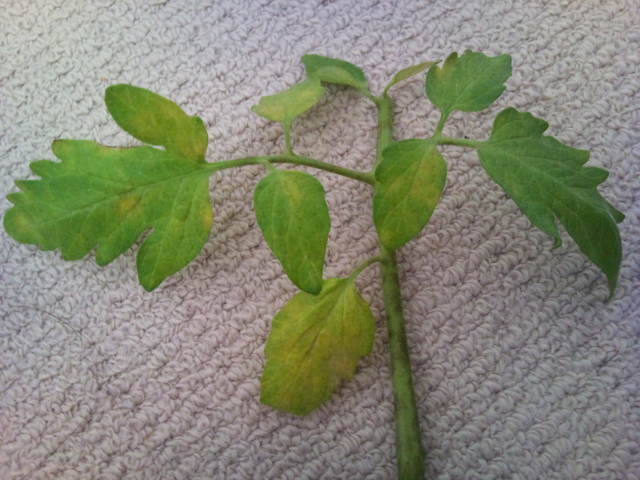
Diagnosing Yellow Top Leaves on Transplanted Tomatoes
Half-yellow new leaves days after transplanting in Florida suggests transplant shock or sudden light exposure change — not cold (your zone 9/10 is fine). Likely Causes Abrupt move from indoor to outdoor light intensity
Managing Fungus Gnats on Tomato Seedlings
Tiny jumping insects on soil surface = fungus gnats. They feed on soil fungi, not plants — mostly a nuisance unless populations explode. Control Methods Yellow sticky traps at soil level (most effective) Neem oil or in
Grape Trellis Sealant Safety and Natural Pest Control
Water-based sealant on your grape trellis: minimal risk if applied in fall. Most leaching occurs in first weeks; winter weather further degrades residues. Spring application would be concerning — fall timing largely miti
Foliar Fertilizer for Tomatoes: Worth It?
Seaweed foliar spray provides a quick nitrogen boost for struggling plants but doesnt enhance fruit production. For tomatoes, granular fertilizer with proper NPK balance (high phosphorus/potassium) is far more effective.
Supplemental Grow Lights for Peppers on Shady Balcony
Peppers need 8-10 hours of sun daily. Your half-day Miami balcony falls short — supplemental lighting helps, but understand limitations. Lighting Strategy Measure actual sun hours, supplement to reach 10 total Best: De
Winter Greens in West Virginia: Mustard, Kale, Collards, Turnips
Assuming turpins means turnips — yes, all these grow through West Virginia winters with proper timing and protection. Keys to Success Plant late summer/early fall for winter harvest Established plants tolerate cold; mu
Ripening Habaneros and Super Chilis After Frost
If frost hasnt damaged plants yet, you have options. If frost has hit, harvest immediately and use green — ripening wont work. Pre-Frost Strategies Best: Cover with garden cloth or mini-greenhouse until frost threatens
Diagnosing Abnormal Crookneck Squash Fruit
Hard-shelled, hollow, split 2-3 inch fruits suggest your yellow crookneck may have crossed with gourds — a common issue when seed purity isnt maintained. What This Means If crossed with gourds: fruit is inedible, ornam
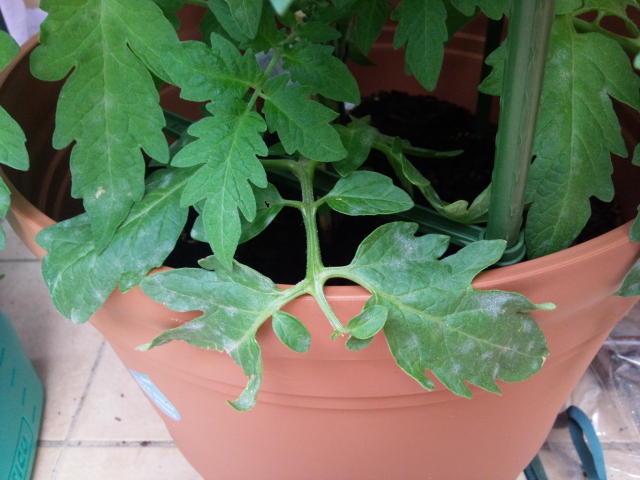
Treating Powdery Mildew on Tomatoes Organically
white fuzzy patches on White fuzzy patches after rain/humidity confirm powdery mildew. Remove affected leaves, then spray with one of these organic solutions: Baking soda: 1 tbsp per gallon water Milk spray: 1:1 milk
New Tomato Problem: Fusarium Wilt in Containers
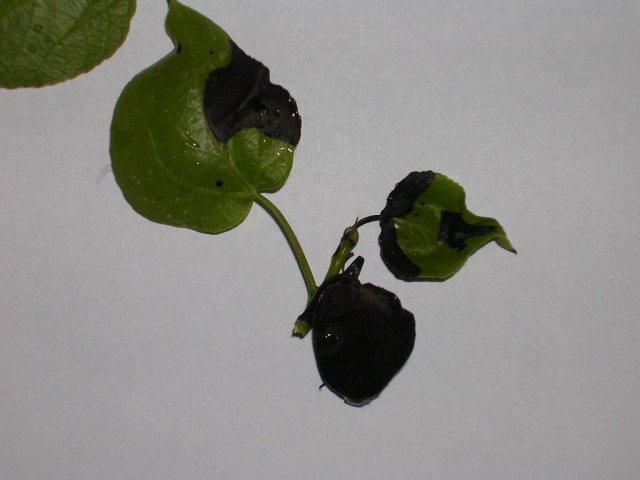
Symptoms — yellowing lower leaves, dark embedded stem patches, stems becoming loose/rotten — strongly indicate fusarium wilt or similar fungal disease. No cure exists at this stage. Required Actions Destroy infected pl
Diagnosing Tomato Stem Disorders and Fusarium Wilt
poor sick branches Yellowing lower leaves and dark stem patches in wet, humid conditions typically indicate waterlogged roots and nutrient leaching—not necessarily fusarium wilt. Clay soils exacerbate drainage issues.
Identifying Soil Creatures in Container Tomatoes
poor sick branches Shiny cobweb-like material suggests slug/snail trails, not nematodes (microscopic). Visible worms could be various larvae. Since its a container, the simplest fix: repot in fresh sterile mix after th
Organic Slug Control for Hawaiian Gardens
Hawaiis year-round growing comes with intense pest pressure. For slugs, beer traps work but also drown beneficial ground beetles. Better approaches: Effective Organic Methods Hand-picking: Early morning/evening/flashli
Square Foot Gardening for School Community Projects
Square foot gardening is ideal for your school project—intensive planting maximizes yield in small plots, reduces maintenance, and teaches valuable skills. Project-Friendly Recommendations Plot size: 4x4 feet standard,
Slug Control: Volcanic Cinders vs. Proven Organic Methods
Black cinders (volcanic rock) lack documented efficacy as slug barriers. While abrasive materials can deter slugs, proven organic solutions work better: Recommended Strategy Spring tilling destroys overwintering eggs A
Growing Onions and Garlic Indoors: Edible Greens and Transplanting
Onion greens are chives (edible and delicious). Garlic greens, however, are not typically eaten—theyre tough and less palatable. Transplanting Now Separate into individual 4-inch pots immediately—dont wait until bulbs f
Copyright © www.100flowers.win Botanic Garden All Rights Reserved