


Growing Tomatoes in 6 Hours of Sun: Manage Expectations
6 hours sun = smaller, fewer tomatoes but same flavor. Ideal: 8–10 hrs. Plant anyway—some harvest beats none. Cherry types tolerate shade better than beefsteaks.

Cucumber, Cantaloupe, Zucchini: Cross-Pollination Facts
Cucumber + zucchini (both cucurbits) can cross if saving seed—keep 100 ft apart. Cantaloupe (different species) won’t cross with them. For eating only? No issue—plant together freely.
Powdery Mildew in New Raised Beds: Act Fast
White spots + curling/dying leaves = powdery mildew. Water mornings only. Spray copper fungicide (Soap Shield) now—hard to cure once spread. Choose resistant varieties next time. Mulch, space well, avoid evening wetness.
Building High Raised Beds for Accessible Gardening
2–3 ft high beds work for wheelchair access. Soil depth: 12 for shallow roots (lettuce, beans), 16–18 for deep (tomatoes, carrots). Table-style beds with knee space underneath are ideal. Drainage holes essential. Fertil
Thinning Seedlings: When and How
Wait for second true leaves (~2 weeks post-germination). Snip extras at soil line with scissors—don’t pull (disturbs neighbors). Thin to strongest single plant per spacing.
Clear Plastic Mulch for Melons: Heat Risk & Cross-Pollination
Clear plastic acts like a greenhouse—risk of cooking fruit in summer sun. Black absorbs, white reflects, clear intensifies. Also: watermelon, cantaloupe, cucumber cross-pollinate if close. Space widely or separate with n
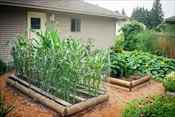
Chicken Wire Fence Keeps Raccoons Out of Corn
Raccoons climb, but a chicken wire fence around the corn bed works. Secure bottom tightly. See photo for setup. Simple, effective, reusable.
Garlic Near Squash: Bee-Safe Pest Deterrent
Garlic repels aphids/whiteflies but does not deter bees. Plant freely around squash. Add zinnias/marigolds for extra pollinator draw. Squirrels eating tomatoes? Options: cayenne/fox urine/garlic sprays (reapply after ra
Using 19-6-12 Fertilizer: Is It Balanced Enough?
19-6-12 = high N, moderate P/K. Good for leafy greens. Fruiting/root crops need more P/K. Supplement with bone meal (P) and greensand (K) if growing tomatoes, peppers, carrots. Follow label rates.
Fixing Zucchini Rot in Michigan Clay: Raised Beds & pH
Zucchini rotting at crown in same spot 3 years = clay drainage + disease buildup. Fix: raised beds 8–12 with compost, leaf mold, peat. Test pH—add lime if acidic (common east of Mississippi). Rotate crops. Sunflowers won
Growing Better Beets, Peas & Beans: Nutrient Secrets
Beets need high K (3rd number), low N. Loose soil (raised beds + compost/peat). 50 days to 3–4. Beans/peas fix own N; need P. Add inoculant powder for bigger yields. Bush beans (Maxibel) outyield pole—plant 4 apart in 4×
When to Plant Outdoors in Edmonton (Zone 3)
May 2: plant cool crops (potatoes, peas, carrots, beets, lettuce, chard, cabbage transplants) if no hard frost. Protect transplants with sheets at night. Wait for nights ≥12°C (54°F) for heat-lovers: beans, squash, cuke
Can You Eat Rhubarb After It Flowers?
Seed stalk removed, stalks look healthy—yes, they’re edible. No evidence flowering makes stalks toxic. Taste one: sour = rhubarb. Don’t eat leaves (oxalic acid). Pie away!
Powdery Mildew on Squash in Florida: Prevention & Cure
White splotches + poor fruit set = powdery mildew (humid climate). Water mornings only. Plant resistant varieties (Park, Burpee list resistances). Spray copper fungicide (Soap Shield) early season—hard to cure once estab
Fixing Leaf Curl on Young Tomato Plants
Tight leaf curl on seedlings = excess high-N fertilizer (Miracle-Gro), overwatering, or root-binding. Fixes: Fertilize half-strength every 14 days. Use tomato-specific formula (high P/K). Water deeply 1.5/week when top
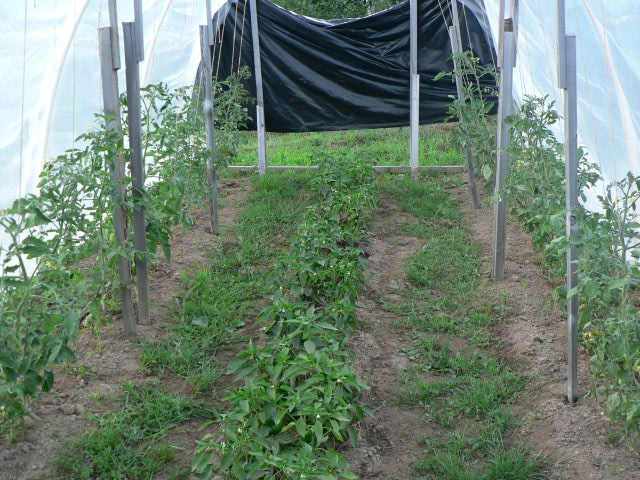
Stopping Tomato Blight & Boosting Peppers in Upstate NY
Annual blight + 60-day stall = wet leaves + no rotation. Fixes: rotate 3+ years (or replace soil yearly). Grow under plastic tunnel—keeps leaves dry. Space widely, stake, remove lower leaves. Basil helps insects, not bli
Sudden Squash Death: Squash Vine Borer Suspect
One squash + one zucchini collapse overnight in healthy row = squash vine borer. Check base for frass (greenish-yellow sawdust) and split stem for white caterpillar. If caught early: slit stem, remove larva, bury damage
Late-Season Square Foot Garden: What to Plant & How to Feed
Too late for tomatoes/peppers from seed. Buy seedlings. Still time for: summer squash, beets, lettuce (heat-tolerant), cabbage, beans. Skip corn, melons. Soil fix: 2 aged manure/peat over whole bed (not trowel-per-hole)
Container Watering in 90°F Heat: Deep, Not Frequent
Daily wilting in full sun = containers dry fast. Water deeply each morning until drainage flows. Evening touch watering encourages fungus. Mulch heavily. Use moisture meter: water when top 3 dry. Half-strength liquid fe
Construction Sand vs. River Sand for Garden Soil
Fine construction sand works if used sparingly—1 pail per 3 sq ft mixed with compost and aged manure. Coarse river sand is ideal but not mandatory. Sand improves clay drainage; in dry areas, clay’s moisture retention hel
Copyright © www.100flowers.win Botanic Garden All Rights Reserved