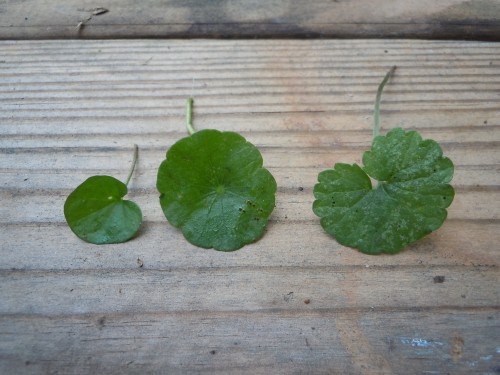
Identifying Creeping Charlie, Dollarweed, and Dichondra: Three Look-Alike Groundcovers
These three moisture-loving weeds share a prostrate habit but differ in leaf details—key for targeted control. Visual Identification Creeping Charlie (Glechoma hederacea): Scalloped/ragged leaf edges Dichondra (Dichond


Rehabilitating Compacted Clay for Tree Planting: A Complete Soil Restoration Protocol
Builder-compacted subsoil requires mimicking centuries of soil development in a weekend. The investment pays off in tree survival and growth. Step-by-Step Restoration Wide tilling: Rent a rear-tine tiller; pulverize cl
Co-Dominant Trunks in Maple: Why Early Correction Prevents Future Failure
That forked trunk on your October Glory maple—with included bark at the union—is a structural time bomb. Two competing leaders create a weak junction that will eventually split under weight. The Inevitable Outcome As bo
How Pansies Survive Freezing: Cellular Dehydration as Frost Protection
Pansies dont have antifreeze—they survive freezing by deliberately dehydrating their cells. As temperatures drop, water moves out of cells into intercellular spaces, preventing ice crystal formation that would rupture ce
Growing Lavender Successfully: Drainage, pH, and Minimal Care
The secret to long-lived lavender isnt winter protection—its perfect drainage and alkaline soil. A raised bed with sandy, amended soil and pH 6.5-7.0 allows plants to thrive for years. Proven Practices Raised beds with
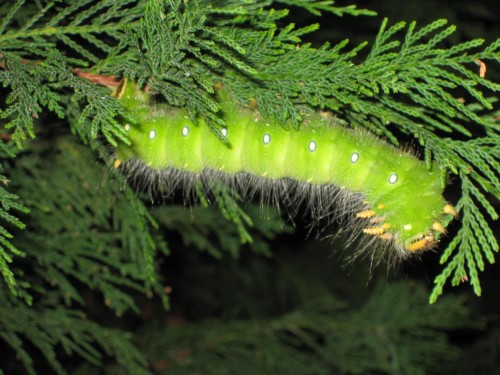
Imperial Moth Caterpillar: A Harmless Giant Worth Admiring
That 4-inch, quarter-thick caterpillar on your evergreen is the larva of the imperial moth (Eacles imperialis)—a spectacular native species thats completely harmless. Two Color Forms Larvae occur in green and orange-bro
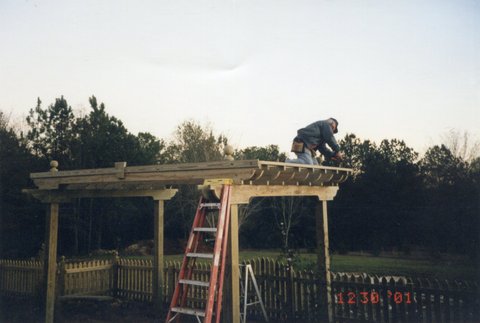
Pruning Overgrown Lady Banks Rose: Timing and Technique for a Vigorous Climber
Lady Banks rose (Rosa banksiae) is notoriously vigorous. If its swallowed your arbor, winter pruning can reclaim the structure—though youll sacrifice spring blooms. When to Prune If bird nesting prevents February-August
Why "Jerusalem" Artichoke and Cherry Have Nothing to Do with the Holy Land
Neither Jerusalem artichoke nor Jerusalem cherry originates from Jerusalem. Both are New World plants with names resulting from linguistic corruption and marketing. Jerusalem Artichoke: A Misheard Italian Name Helianthu
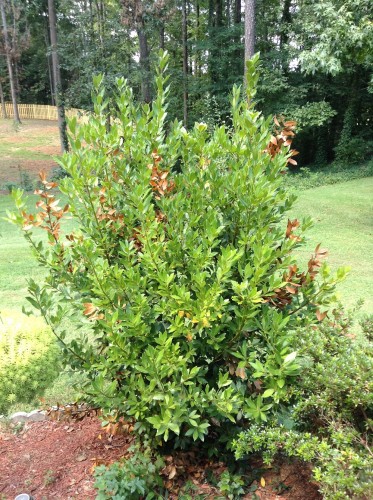
Black Twig Borer Damage on Sweet Bay Magnolia: Identification and Management
Dead branch tips with tiny black beetles inside indicate black twig borer (Xylosandrus compactus)—an increasingly common pest on sweet bay magnolia and many other woody plants. Characteristic Damage Pattern Borers enter
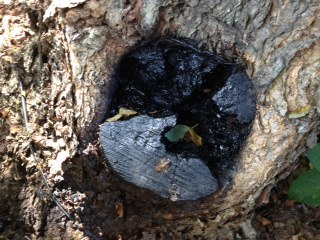
Tree Cavity Care: Why Filling Hollows Does More Harm Than Good
That water-filled cavity in your river birch isnt a problem to fix—its a wound the tree is managing internally. Concrete, foam, and tar all eventually crack, trapping moisture and accelerating decay. Trees Heal from Ins
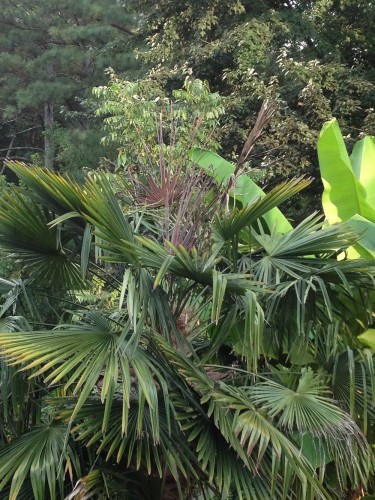
Windmill Palm Bud Rot: When the Growing Point Dies
If all new fronds on your windmill palm emerge dead, the apical meristem (bud) has likely succumbed to bud rot—a fatal fungal disease often triggered by excessive summer rain. Irreversible Decline Palms have a single gr
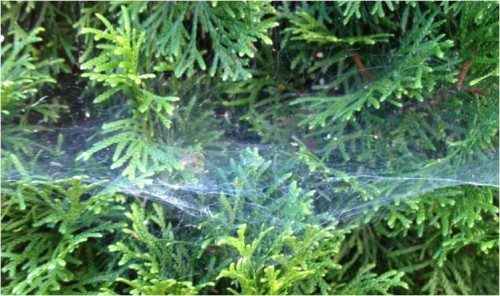
Fall Spider Webs in Shrubs: A Seasonal Abundance, Not an Infestation
Heavy spider webbing in autumn shrubbery alarms some homeowners, but its simply a natural population peak coinciding with plentiful insect prey. Beneficial, Not Harmful Spiders provide free pest control. The large, cons
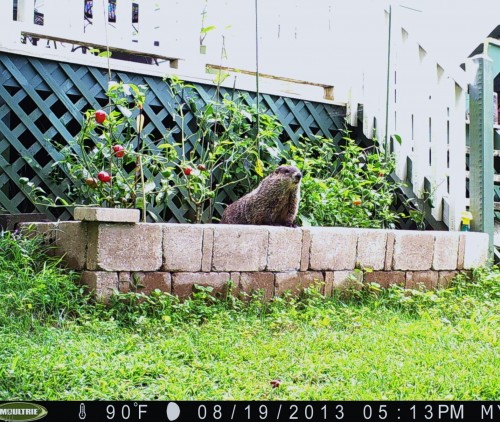
Effective Groundhog Fencing: Design Details That Actually Work
Protecting a garden from groundhogs (woodchucks) requires more than basic chicken wire. These animals are skilled climbers and determined diggers. Fence Specifications That Work Height: Minimum 3 feet above ground Top
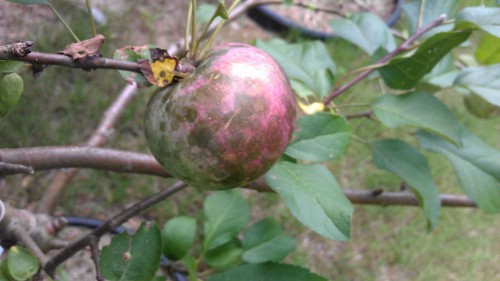
Sooty Blotch on Apples: Cosmetic Only, Perfectly Edible
Those dark, smudgy patches on your homegrown apples are sooty blotch—a common fungal disease that affects only the fruits skin, not its flesh or flavor. No Treatment Needed for Home Gardeners Commercial growers spray fu
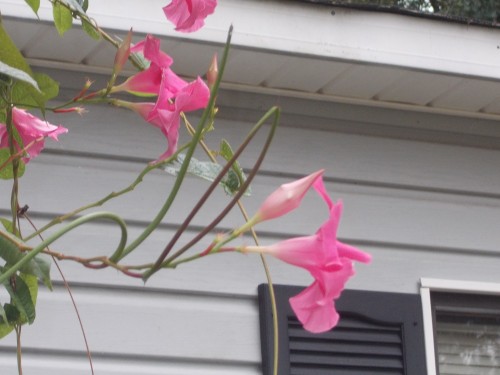
Mandevilla Seed Pods: Harvesting and Growing Your Own
Those strange sticks on your mandevilla are seed pods—long, paired follicles that split open when mature to reveal seeds with silky, parachute-like tails. Collection and Storage Allow pods to dry on the plant until brow
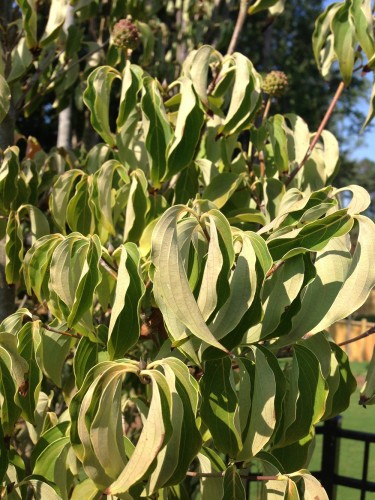
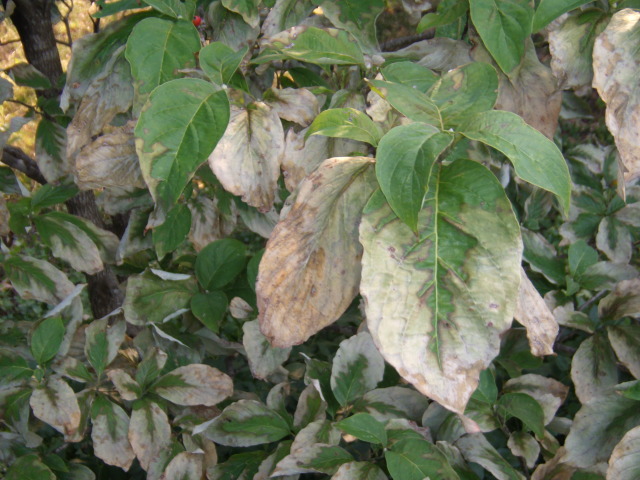
'Wolf Eyes' Kousa Dogwood: Leaf Curl in Full Sun Is Normal
The distinctive variegated Wolf Eyes kousa dogwood often shows curled leaves when grown in full sun—a response to light intensity, not a health problem. Sun vs. Shade Trade-Off Leaves flatten in shadier conditions, but
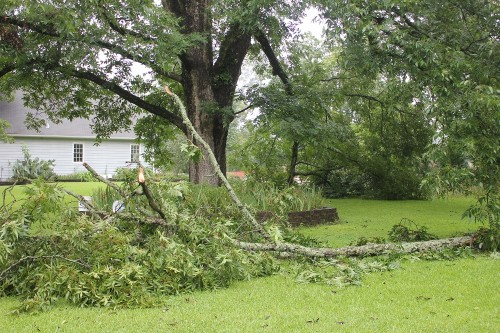
Why Mature Pecans Drop Large Limbs: Brittle Wood and Preventive Pruning
Large limb drop in mature pecans isnt a disease—its a species characteristic. Pecan wood is inherently brittle, and trees naturally shed heavy limbs, especially after wind or rain events. Professional Management Commerc
Fig Sap Sensitivity: A Real and Painful Phototoxic Reaction
Pruning figs without skin protection can cause severe phytophotodermatitis—a skin reaction triggered when sap contacts skin followed by sunlight exposure. How It Happens Fig sap contains furanocoumarins that sensitize s
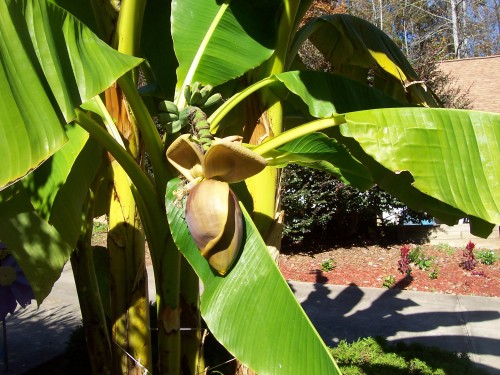
Protecting a Flowering Banana Through Winter: The Leaf Cage Method
When a banana plant flowers in late fall, the developing fruit cluster faces almost certain winter kill—but you can protect the stalk to potentially save next years bloom. Building a Protective Cage Construct a wire cyl
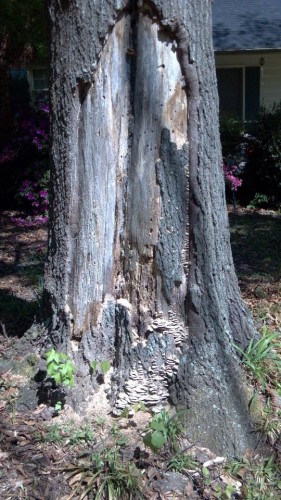
Ambrosia Beetles in Oak Trunk: Signs of Long-Term Structural Decline
Finding ambrosia beetles in an oak trunk indicates advanced internal decay, not a primary insect attack. These beetles are secondary invaders exploiting existing damage. The Real Culprit: Past Injury The damage likely o
Copyright © www.100flowers.win Botanic Garden All Rights Reserved