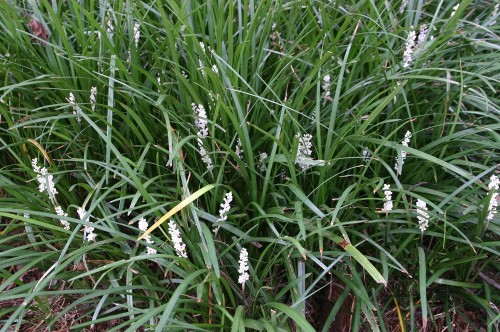
Spreading vs. Clumping Monkey Grass: Identification and Glyphosate Control
Your invasive liriope is likely Liriope spicata (spreading/creeping), not the well-behaved L. muscari (clumping). Leaf width distinguishes them: ⅛ vs. ¼+. Control Without Digging Spray glyphosate three times yearly (spr


Old Fertilizer and Lime: Still Usable After Years in Storage
Five-year-old lime, 8-8-8, and bone meal are perfectly usable. Fertilizers dont expire—they just cake. Break up clumps with a hammer (wear goggles and gloves), and theyll spread fine. Farm Wisdom Generations of farmers
Plumeria in Georgia: Winter Dormancy Care for Eventual Blooms
Plumeria (frangipani) is tropical—Zone 10+. In Georgia, it must be container-grown and overwintered indoors above 40°F. Annual Cycle for Blooms Fall (Oct): Remove all leaves to induce dormancy Winter: Store in cool, da
Native Azalea Care: Light Requirements, Pruning, and Bloom Encouragement
Native azaleas (like plumleaf) need open shade—high pine/hardwood canopy with a few hours of direct sun. Full sun or dense shade reduces flowering. Transplant Recovery Moving a plant severs feeder roots. Your relocated
Righting a Leaning Maple: Proper Technique for Tree Stabilization
Winter is ideal for straightening a leaning young maple. The process requires careful excavation, root pruning, and long-term guying. Step-by-Step Dig under root ball to create space for it to settle back Cleanly cut a
Buying Harpin Protein: Online Sources for Plant Defense Activator
Harpin protein (originally marketed as Messenger®) is available from online retailers. Search harpin protein or plant defense activator for current suppliers. What It Does Harpin triggers systemic acquired resistance (S
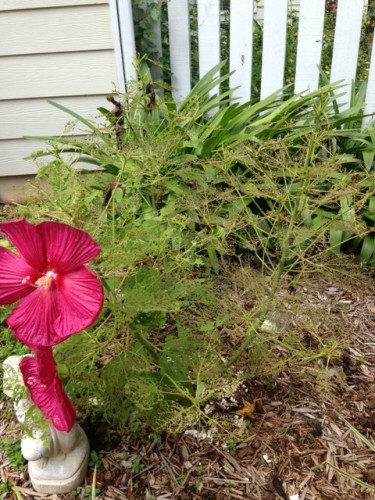
Hibiscus Sawfly: Identifying and Controlling the Lace-Like Leaf Damage
Hibiscus leaves chewed into eyelet lace between veins signal hibiscus sawfly larvae—greenish caterpillar-like larvae feeding on leaf undersides in early summer. Key Distinction Sawfly larvae have 6+ prolegs (caterpillar
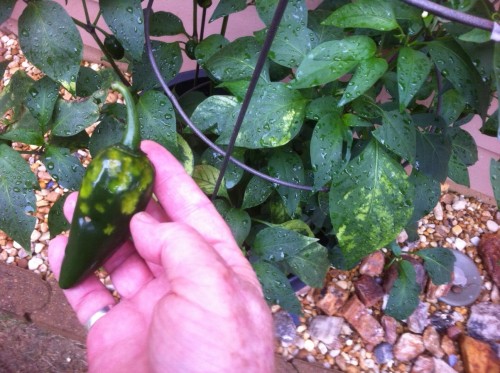
Virus Disease on Jalapeño Peppers: Remove Plants to Prevent Spread
Light green patterning on jalapeño fruit indicates a viral infection—likely cucumber mosaic virus, which affects many garden plants and spreads via insect vectors (aphids, thrips). Immediate Action Dig and destroy infec
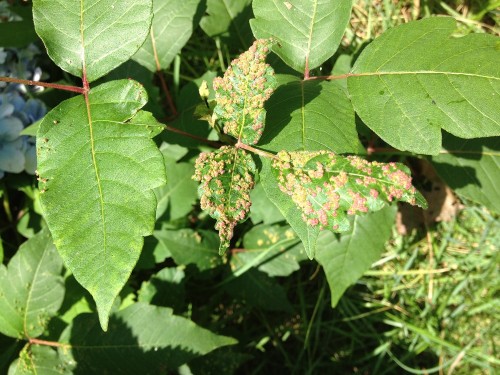
Poison Ivy Leaf Galls: Harmless Mite Damage That Doesn't Slow the Vine
Those warty growths on poison ivy leaves are galls caused by eriophyid mites. The mites inject eggs, and leaf tissue forms protective chambers around them. No Treatment Needed—or Desired The galls dont significantly har
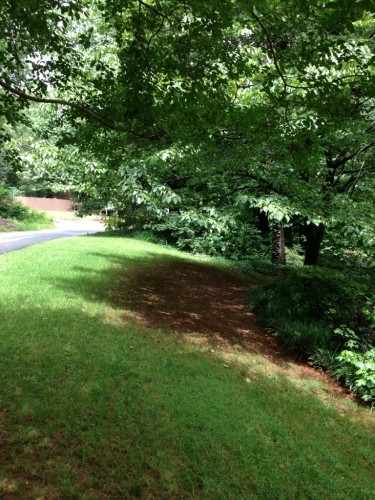
Fescue Won't Grow Under Dogwood: Accepting Deep Shade Limits
Seven years of failed fescue under a dogwood delivers a clear message: the shade is too dense for any grass. Fescue needs 5+ hours of direct sun to thrive. Better Alternatives Mulch the area (simplest) Plant mondo gras
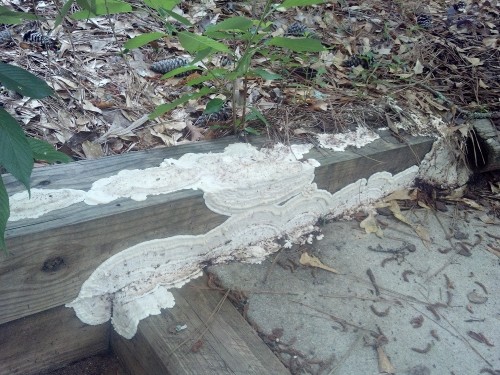
Fungus in Pressure-Treated Wood: Structural Decay, Not Surface Growth
Fungal fruiting bodies emerging from treated timber indicate internal colonization—either the wood wasnt properly pressure-treated, or the fungus survived treatment in the untreated core (pith). Two Options Only Scrape
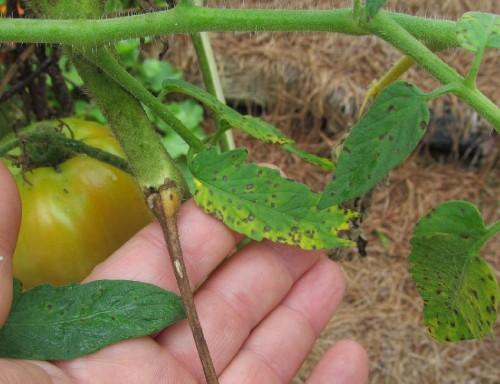
Septoria Leaf Spot on Tomatoes: Late-Season Disease Management Reality
Those brown/black lower leaves with spots progressing upward are classic septoria leaf spot—a wet summer disease thats unstoppable once advanced. Current Situation No curative treatment exists at this stage. Infected le
Lemongrass for Mosquito Control: Not Hardy, Not Effective as Landscape Plant
Lemongrass (Cymbopogon citratus) isnt winter-hardy north of Atlanta, and even where it survives, it doesnt repel mosquitoes as a landscape planting. The Science Repellent oils are in the leaves but require crushing and
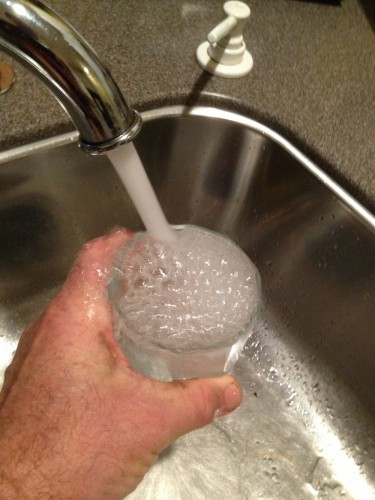
Well Water Testing: What to Test, When, and How Through UGA Extension
UGA Extension provides structured well water testing: an initial expanded panel for baseline data, followed by annual basic tests. Iron and sulfur are included in standard panels. Testing Protocol Order expanded water
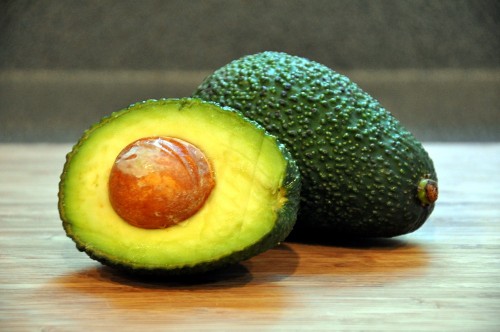
Growing Cold-Hardy Avocado in Georgia: A Long-Shot Experiment
Avocados rated to 18°F might survive Georgia winters with protection, but fruiting is a 5+ year proposition requiring cross-pollination between compatible varieties. Best Practices for the Attempt Plant near a south-fa
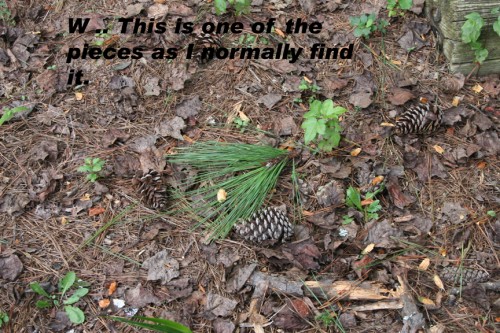
Pine Needle Clusters Falling: Squirrels Harvesting Cones, Not Tree Decline
Those 6-8 inch needle clusters with chewed ends arent disease—theyre collateral damage from squirrels harvesting pine cones for seeds. The Evidence Look for gnawed cone cores nearby. Squirrels clip entire twig tips to a
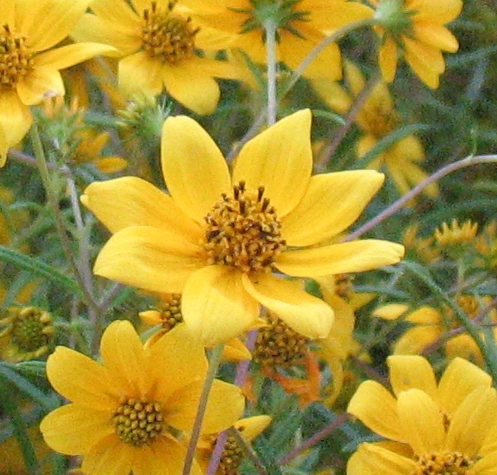
Growing Confederate Yellow Daisy: A Stone Mountain Native for Your Garden
Confederate yellow daisy (Helianthus porteri) is a reseeding annual native to a 60-mile radius around Stone Mountain. Its available at Georgia Native Plant Society sales (fall and spring). Establishment Tips Place pots
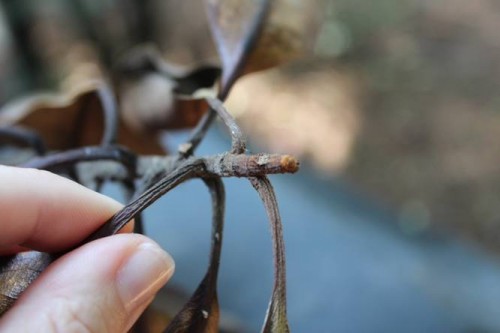
Magnolia Branch Flagging: Black Twig Borer, Not Twig Girdler
Brown leaf clusters on magnolia indicate black twig borer damage—not twig girdler. The distinction matters: girdlers leave clean, conical cuts and abundant fallen twigs; borers leave hollowed twigs that often remain atta
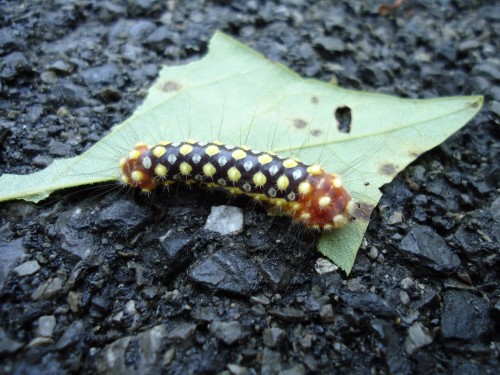
White Flannel Moth Caterpillar: Beautiful But Painfully Stinging
That striking caterpillar on your redbud is the white flannel moth larva (Norape ovina). Like all flannel moth caterpillars, it bears venomous spines that cause intense burning and swelling on contact. Identification an
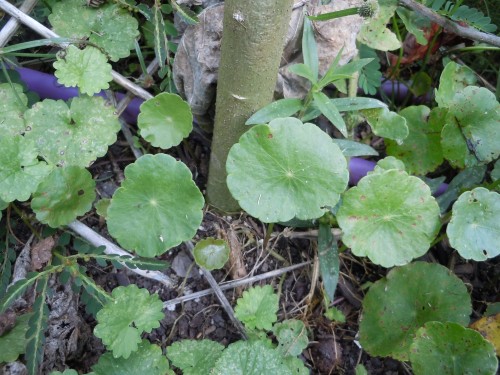
Controlling Dollarweed in St. Augustine Grass: Herbicides and Cultural Practices
Dollarweed (pennywort) thrives in damp St. Augustine lawns but can be managed with targeted herbicides and moisture reduction. Chemical Options Three-way broadleaf herbicides provide moderate control. Better results com
Copyright © www.100flowers.win Botanic Garden All Rights Reserved