Bamboo Die-Off After Flowering: A Natural Cycle, Not a Catastrophe
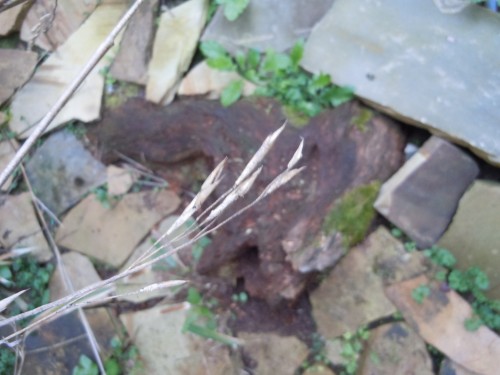
When a bamboo patch suddenly turns brown and dies, panic is understandable—but this dramatic event is actually a normal part of bamboos life cycle. The Flowering-Death Connection Bamboo species flower at long intervals

Why Dogs Eat Indian Mock Strawberry Leaves: A Mystery with Few Answers
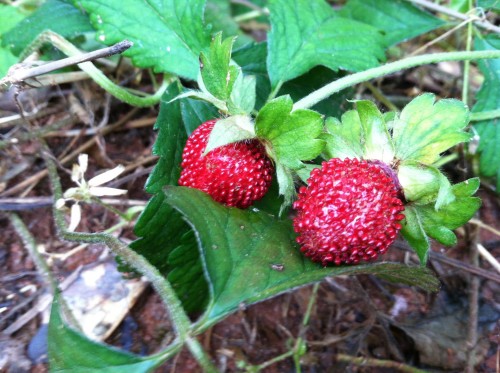
Many dog owners observe their pets grazing on Indian mock strawberry (Potentilla indica) foliage while ignoring the bland fruit. The reason remains unclear, but the behavior appears harmless. What We Know The fruit of I

Virginia Dayflower vs. Asiatic Dayflower: A Simple Identification Guide
These two Commelina species look similar at first glance, but a quick flower check provides definitive identification. Count the Blue Petals Virginia dayflower (Commelina virginica): Three blue petals Asiatic dayflower
Eliminating a Crowded Canna Patch for Gardenia Planting
Removing Established Cannas Without Excessive Digging Cannas arent deeply tenacious, but fall is too late for effective herbicide translocation. The practical approach: Now: Cut brown foliage to ground. Spray cut stump
Reviving Woody Lavender: Spring Pruning for Better Growth
Lavender often becomes woody and sparse after a few years, but strategic spring pruning can rejuvenate plants and extend their productive life. Timing and Technique Wait until late March, when danger of hard freezes has
Finding Grubs in New Fescue Sod: Why You Probably Shouldn't Worry
Discovering white grubs while preparing to lay fescue sod can be alarming, but a few grubs are rarely cause for concern—or treatment. Thresholds Matter Research shows fescue can tolerate up to eight grubs per square foo
Using Fall Leaves as Mulch for Perennials: What Works and What Doesn't
Raking leaves from flower beds is a seasonal ritual, but those same leaves can provide valuable winter protection for perennials—if applied correctly. Match Mulch Depth to Plant Type The key is understanding your perenn
Golden Larch vs. Common Larch: Clearing Up the Confusion
Many gardeners confuse golden larch (Pseudolarix kaempferi) with true larches (Larix species), but these trees have dramatically different growing requirements, especially in southern climates. True Larch: A Northern Sp
Transplanting a Large Dogwood: Essential Steps for Survival
Moving a mature dogwood tree is a delicate operation, but with careful planning and execution, a six-foot specimen can thrive in its new location. The key to success lies in preserving as much of the root system as possi
Winter Hydrangea Care: Do Nothing Until Spring
Q: 15 established hydrangeas brown after freeze—prune or wait? A: Nothing to do. Dead leaves drop by months end; stems dormant until warmth returns. Below 10°F may cause dieback but not death.
Engineered Soil for Walkways: Custom Mix, Not Retail
Q: What is engineered soil for leveling stone walk near tree roots? A: Engineered soil is site-specified for load-bearing and root pore space. Mix of specific gravel/expanded slate with organic matter. Not sold retail—la
Green Sand for Lawn Repair: Divot Mix or Seed Patch
Q: How to make green sand like golf courses use for divots? A: Courses use dyed divot repair mix. Coloring method unknown commercially. Try food coloring or concrete dye. Better: lawn patch products with seed and green m
Japanese Maple Leaves Turn Black, Not Red: Environmental Mystery
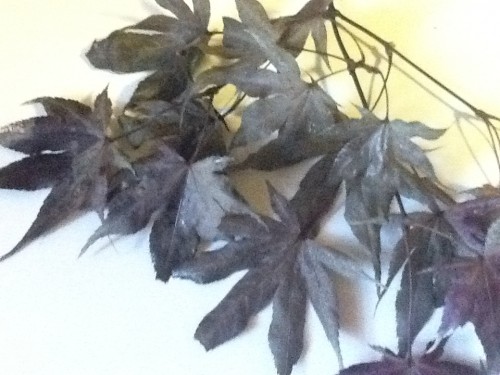
Q: Japanese maple leaves black instead of red this fall. A: Joins ginkgo didnt turn yellow phenomenon. Some maples/oaks colored brilliantly, but environment disrupted this maples transition. Excess rain theorized, but wh
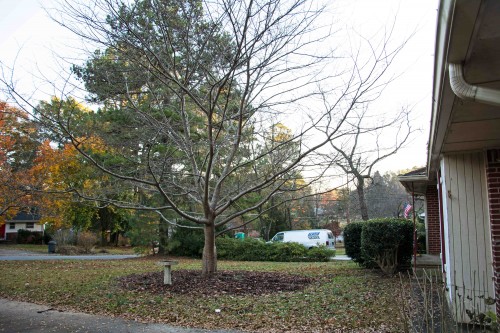
Yoshino Cherry Root Damage from Mower: Mulch and Fertilize
Q: Yoshino cherry bleeding sap from mower-scalped roots. Save tree? A: Ooze from infection at wound site. Tree must compartmentalize. Apply 3 pine straw mulch to drip line (pull 12 from trunk). Spring: slow-release ferti
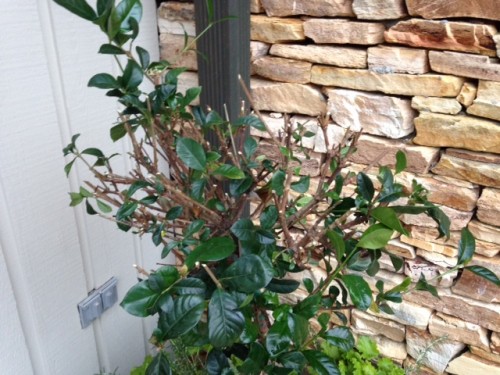
Animal Nest Under Car Hood: Likely Woodrat, Not Squirrel
Q: Gardenia clippings used for nest under car hood. Culprit? A: Original guess: squirrel. But Mary T. details Florida woodrat (Neotoma floridana) nesting in grill—neat, uses vegetation, twine, Q-tips, no droppings. Woodr
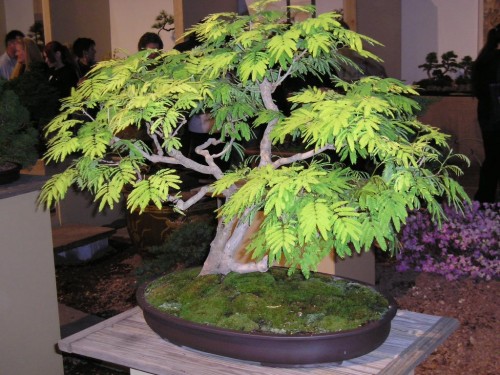
DIY Bonsai Soil: Expanded Slate, Grit, Bark
Q: Bonsai soil mix ingredients? A: Bonsai soil differs from potting soil—low organic, high mineral. Mix expanded slate (PermaTill), poultry grit, ground pine bark, plus additives for drainage speed. Screen particles (1/1
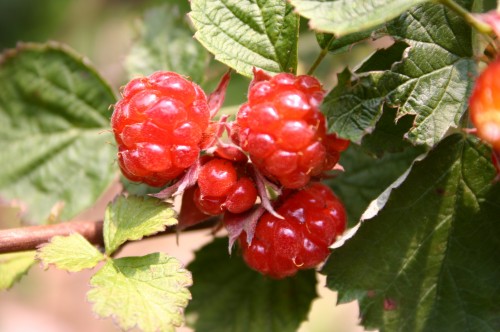
December Fruit Tree Planting: Still Good Timing
Q: Too late in December to plant raspberries, blackberries, blueberries, fruit trees? A: Still well within success window. Weather tough for humans, but plants establish fine. UGA fruit publications at bit.ly/UGAfruit.
Late December Fescue Fertilizing: Quick-Release Nitrogen
Q: Latest date to fertilize fescue? Landscaping done weeks ago—too late? A: UGAs Clint Waltz: use immediately soluble fertilizer (not slow-release). Light rate: 4 lbs 15-0-15 or 18-0-18 per 1000 sq ft. Dont miss Feb and
Red Pine (Pinus resinosa) Only for North Georgia Mountains
Q: Will Michigan red pines grow in Georgia? A: Red pine (Pinus resinosa) thrives in Canada/New England. Might survive in high north GA mountains (Brasstown Bald, Blairsville). In metro Atlanta, likely short-lived like Al
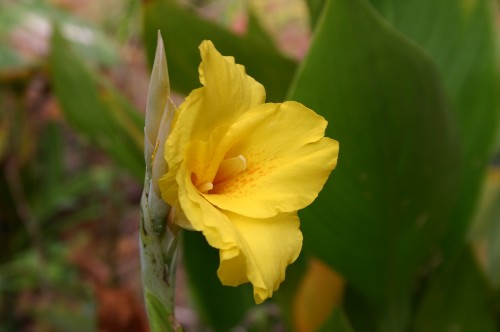
Canna Lily Seed Germination: Scarification Required
Q: High school project—canna lily seeds wont germinate. A: Scarify hard seed coat: rub each seed on sandpaper in a few spots. Soak in warm water overnight to cool. Plant in project soil—leaves in 4 weeks.
Copyright © www.100flowers.win Botanic Garden All Rights Reserved