
Why Birds Ignore Your Feeder: It's Not the Seed
Birds arent picky about seed age—they eat worms and insects, after all. If your new feeder sits untouched, the likely reason is abundant natural food. Mild winters leave plenty of wild seeds, berries, and insects, so bir

The Austree: Fast Growth Comes with Hidden Costs
Marketed as a miracle shade and windbreak tree, the Austree (a hybrid willow) grows up to six feet per year. But rapid growth means weak wood—branches snap easily, littering the yard with twigs. Roots aggressively send u
Why Lombardy Poplars Fail as Privacy Screens in the South
Lombardy poplars are tempting: they rocket up to 40 feet in just five years, offering instant screening. But in the humid Southeast, theyre a short-lived disappointment. A devastating canker disease, with no cure, kills
Growing Blueberries in Georgia Clay: A Better Approach
Dealing with heavy clay soil—often jokingly called ceramic—can be a nightmare for gardeners, especially when planting acid-loving blueberries. A common but misguided suggestion is to dig deeper holes and fill the bottom
Finding Free Compost and Manure in Atlanta: Options and Precautions
Free Compost in Atlanta: Annual Pickup and Farm Sources The City of Atlanta offers a free compost giveaway weekend each spring (typically late March/early April) at 625 North Avenue—residents can take up to one cubic yar
Composting 101: Turning a "Garbage Pile" into Black Gold
Your Compost Pile Is Working—Just Slowly Starting a compost pile in August means cool weather arrived before materials broke down. Thats normal. A garbage pile appearance is just the early stage. With a few adjustments,
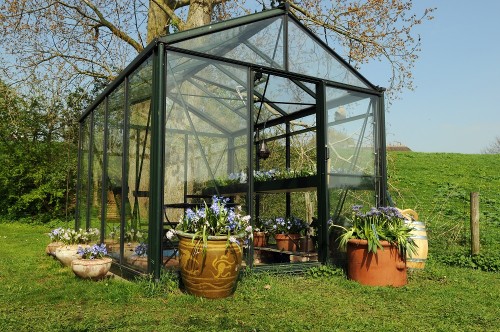
Converting an Outbuilding to a Greenhouse: What You Need to Know
Greenhouse Conversion: Plan for Heating, Cooling, and Reality Turning a shed into a greenhouse sounds romantic—tropical warmth in winter, year-round harvests. But without a reliable heat source (like a gas heater), a Geo
Naranjilla (Solanum quitoense): Tropical Showstopper
Naranjilla has large, thorny leaves and orange fruits with pineapple-lemon jelly. Grow from saved seed indoors now or outdoors in late April. Not winter-hardy in Atlanta—treat as annual or overwinter indoors.
Bamboo Warning: Clumping vs. Running Types
Running bamboo spreads aggressively via surface rhizomes; clumping bamboo stays put. Most nurseries avoid bamboo due to bad reputation and low demand. If you plant, choose clumping varieties and install rhizome barriers.
Shredded Paper Mulch: Same Advice, Repeated
Shredded office paper is safe mulch—soak, apply, cover with straw. Cellulose insulation contains boron; avoid in gardens. This duplicates earlier Q&A (ID 77031).
Pecan Spittlebug: Harmless Froth on Nut Stems
White foam on pecan stems = pecan spittlebug nymphs. Common in wet, humid years. They suck sap but cause minimal damage. Wash off reachable ones with hose; ignore the rest.
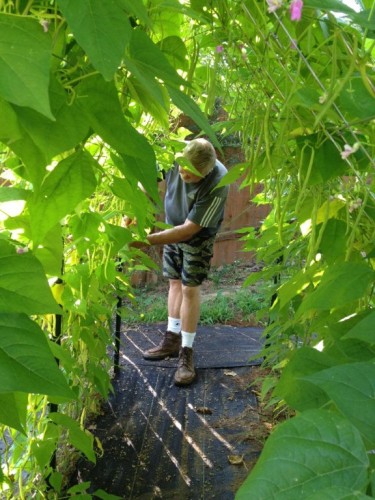
Building a Bean Teepee for Easy Harvesting
Field fence panels or concrete reinforcement wire make sturdy, walk-in bean houses. Beans hang inside for easy picking. Curve the top for headroom. A fun, productive garden structure.
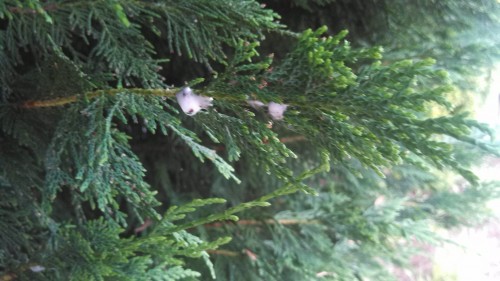
Spittlebugs on Leyland Cypress: Blast Them Off
Frothy white masses on Leylands are spittlebug nymphs. They suck sap but cause little harm. A strong jet of water dislodges them. No insecticide needed.
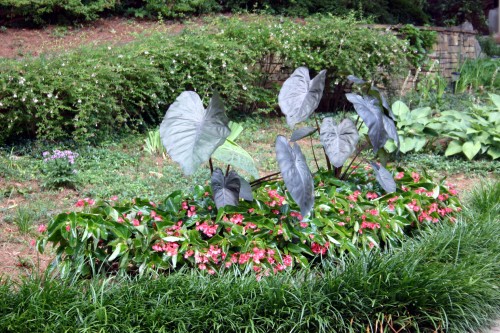
Controlling Bermuda Grass in Flower Beds
Three-pronged approach: (1) Pre-emergent in March & Sept (blocks seeds, including flowers). (2) Selective grass killer (Vantage) on bermuda—test on small area first. (3) Spot-paint glyphosate on bermuda leaves with foam
Using Shredded Office Paper as Garden Mulch
Shredded paper (ink is mostly carbon) makes good mulch. Soak handfuls in water, apply like papier-mâché, top with pine straw for aesthetics. Do NOT use cellulose insulation—it contains boron fire retardant that harms pla
Atlanta Dogwood Bloom Time: When to Plan Your Spring Visit
Based on 20+ years of records from a Decatur garden, dogwoods typically peak between April 5-15. The weekend of April 8-10 is a safe bet for visitors. If youre lucky, azaleas will bloom simultaneously for a spectacular d
Cast Iron Plant: Tough Perennial for Deep Shade, Not a Bulb
Cast iron plant (Aspidistra elatior), also called barroom plant for its tolerance of neglect, grows from a mass of tangled roots—not a bulb. It thrives outdoors in Atlanta with foundation protection. Divide clumps to pro
Georgia Gold Medal Winners: 'Amazon' Coleus and Two Decades of Superior Plants
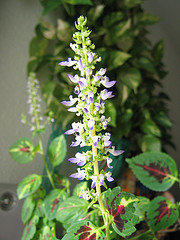
Your Amazon plant is a 2000 Georgia Gold Medal winner—part of the Sun Coleus series including Solar Flare, Red Ruffles, and Purple Ducksfoot. The program, sponsored by UGA and the green industry, promotes plants proven t
Fish Oil and Flypaper for Clothes Moths: An Unproven Myth
Why This Folk Remedy Doesnt Hold Up A newspaper article suggested fish oil + flypaper in closets to trap clothes moths. Entomologist Dr. Beverly Sparks confirms: no data supports moth attraction to fish oil. The only thi
Finding Plant Societies: Online Resources for Garden Organizations
Garden Net maintains the most comprehensive online directory of plant societies, from local garden clubs to national organizations like the Hydroponic Society of America. For Georgia-specific groups, the Atlanta Garden C
Copyright © www.100flowers.win Botanic Garden All Rights Reserved