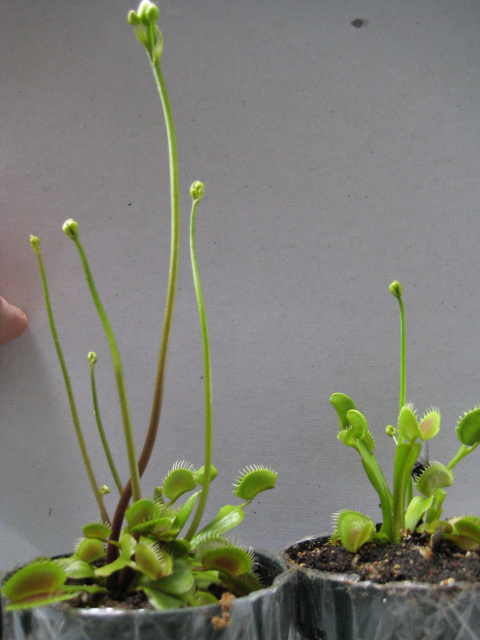

River Birch Sap Flow: Normal Spring Phenomenon, Not a Problem
Clear, odorless liquid dripping from river birch branches in late winter? Its just sap—harmless and temporary. Maples and birches bleed heavily after late-winter pruning. Sapsuckers (woodpeckers) even tap shallow holes t

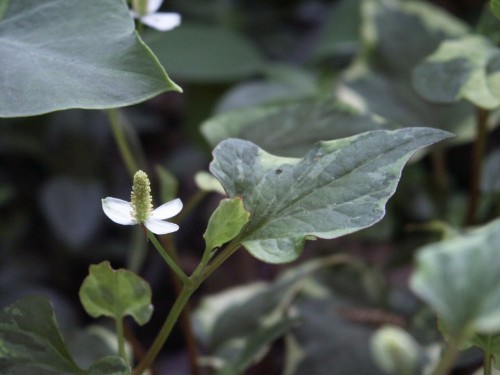
Eradicating Chameleon Plant: Battling a Beautiful but Aggressive Invader
Chameleon plant (Houttuynia cordata) and its partner-in-crime yellow archangel (Lamiastrum galeobdolon) are attractive but aggressively invasive. After two years, they can smother neighboring perennials. Digging often le
Lawn Aeration: When, Why, and How to Core Aerate Warm-Season Grasses
Aerate zoysia, Bermuda, and centipede lawns in early summer after green-up but before heat stress. But first, ask if you need it. Aeration—poking holes to loosen soil and improve oxygen and water penetration—helps if soi
Lady Beetle Control: Why Residual Insecticides Work Despite Exterminator Claims
An exterminator claimed lady beetles cant be controlled with residual chemicals because they dont groom their legs. This is incorrect—most insecticides absorb efficiently through insect feet without grooming. Porous surf
Ephedra (Ma Huang): Desert Native with Medicinal History
Ephedra species, known as ma huang in Chinese medicine, have been used for millennia to treat bronchial spasms and stimulate the sympathetic nervous system. Several species are native to southwestern U.S. deserts—Ephedra
Reviving Leggy Azaleas: Pruning Strategies for Bushier Growth
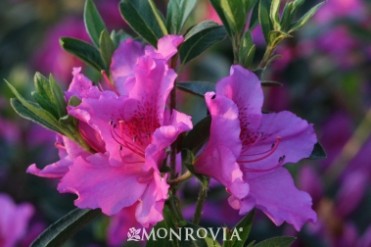
Leggy azaleas blooming only at the tips? After flowering, prune individual spindly stems deep into the plants center to maintain size without stimulating excessive new growth. For severely overgrown plants, cut back to 1
Aphids on Chrysanthemums: Why Pyrethrum Doesn't Protect Your Plants
Finding black, sesame-seed-shaped aphids on your garden chrysanthemums? Theyre unaffected by the plants natural chemistry because youre not growing the pyrethrum source species. Garden mums are Chrysanthemum coccineum, w
Declining Honey Bees: Causes and How Gardeners Can Help Pollinators
Wild honey bee populations have crashed over the past decade due to tracheal and Varroa mites that impair breathing. Managed hives survive with beekeeper intervention, but feral colonies have no such protection. While na
Giant Dogwood Discovery: Why This Woodland Tree Reached Champion Size
A 40-foot dogwood with a 43-inch trunk circumference in a Walton County woodlot isnt a miracle—its the result of ideal growing conditions. Partial shade prevented summer drought stress, thick leaf litter provided natural
Indoor Tomato Pollination: No Bees Required
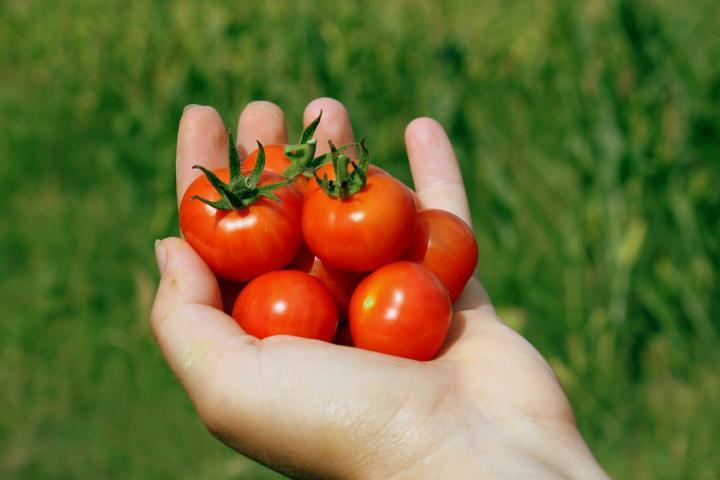
Growing tomatoes indoors? You dont need insects for pollination. Tomato flowers hang upside down, so pollen naturally falls from stamens to pistils with a little vibration. An electric toothbrush works perfectly—buzz eac
Caterpillar Safety: Identifying Poisonous Species and Understanding Their Biology
Found caterpillars on the playground? Most are harmless. No hairless caterpillars are poisonous. Hairy or bristly ones—like tent caterpillars, woolly bears, and gypsy moth larvae—are rarely dangerous. Even horned species
Establishing Centipede Grass: Seed vs. Sod After Winter Rye
Transitioning from winter ryegrass to centipede grass? Aerating and seeding centipede seems easier than tilling, but centipede takes two to three weeks to germinate—during which existing grass shades seedlings and weeds
Fruit Tree Spray Schedule: What to Apply and When
Missed the bloom-time fungicide spray for brown rot? You can still protect your apple, peach, and pear trees with a home orchard spray (combined insecticide/fungicide) every few weeks. Figs rarely need spraying. Fertiliz
Where Did My Compost Go? Understanding Soil Organic Matter Loss
Three years after amending heavy clay with half a ton of compost, you dig to find mostly clay again. Where did the organic matter go? Several processes are at work: surface particles blew away as dust, rain washed away l
Marigolds in the Vegetable Garden: Myth vs. Reality
Many organic gardening guides recommend planting marigolds to repel insects and nematodes, but scientific research tells a different story. French marigolds do suppress harmful nematodes—but only when the entire garden i
Orchid Import Rules: Plant Passports Don't Guarantee Entry
A Costa Rican botanical gardens plant passport doesnt guarantee U.S. entry. Customs and GA Dept. of Agriculture (404-651-9486) must review the specific documentation. Required Steps Request sample passport form from Ja
Azalea and Camellia Leaf Gall: Identification and Prevention
Swollen, disfigured leaves on azaleas and camellias signal leaf gall, a fungal disease that infects leaf buds in February. By the time you notice the powdery white spores, sprays are ineffective—the fungus has already co
School Playground Planting: Safe, Creative, and Low-Maintenance Selections
School landscapes need tough, non-hazardous plants that inspire—not institutional boredom. Plants to Avoid Chinese holly (spines = weapons) Plants yielding switches for whipping Bland standards: Japanese holly, ligustr
Hickory Leaf Drop: Summer Drought Adjustment, Not Disease
Healthy-looking hickory leaflets dropping on stems in early summer? The tree overproduced leaves in wet April, then reconsidered during dry weeks. Its balancing root-to-shoot ratio. Parallel in Fruit Trees Fruit trees s
Bradford Pear Girdling String: Wait-and-See Approach for Bark Damage
String left on a B&B tree for 3 years cut ¼ into the trunk circumference. Survival depends on current canopy health. Assessment Full canopy: Water deeply weekly, no fertilizer, reassess by September Thin canopy: String
Copyright © www.100flowers.win Botanic Garden All Rights Reserved