

Choosing a Male Pollinator for Red Robin Holly
Red Robin™ holly (a Mary Nell selection) usually gets enough pollen from neighborhood hollies for good berries. For maximum yield, plant Festive™ holly as a male partner—its pollen is most compatible. Avoid Little Red™,

Growing Turmeric in Georgia: Container Culture for a Tropical Spice
Turmeric (Curcuma longa), a ginger relative, grows well in large containers outdoors in summer. Buy fresh rhizomes at health food stores, plant in rich potting mix, and move indoors before frost. Harvest in fall: boil rh
Tick Control: Yard Treatment and Personal Protection
Ticks quest on grass tips and low shrubs. Reduce populations by spraying perimeter areas (not the whole lawn) with an outdoor insecticide. For personal protection, a surveyors trick: mix powdered sulfur 1:1 with baby pow
Vegetable Seed Planting Depth: The General Rule
A reliable rule of thumb: plant seeds about one inch deep. At this depth, soil temperature is stable, and emerging seedlings can establish strong anchor roots. For a detailed chart of specific vegetable seeding depths, c
Grass Won't Grow in Deep Shade and Leaf Cover—Try Alternatives
No grass thrives in heavy spring/summer shade plus winter leaf smother. Even shade-tolerant fescue needs six hours of sun and well-tilled soil. Instead, embrace shade-loving groundcovers: mondo grass, liriope, ferns, hos
Pomegranate Blooms Falling? It's a Pollination Problem
If your pomegranate blooms drop without setting fruit, pollinators are likely scarce. Pomegranates need insect pollination. Plant pollinator magnets nearby: perennial salvia, zinnias, bee balm, rosemary. Or hand-pollinat
Stopping Corn Earworms: Timing and Methods
Corn earworm moths lay eggs on fresh silks. To block them, some gardeners pinch the silk tip with a clothespin. Others apply mineral or vegetable oil to the silk channel two days after full silk emergence (when silks sta
Shelf Fungi (Conks) on Black Locust: Art or Decoration?
The shelf fungi (Phellinus robiniae) on your black locust are not the famous artists conk (Ganoderma applanatum), which has a smooth, white underside perfect for drawing. However, your conks might still be used for simil
Why Vanilla Strawberry Hydrangeas Won't Bloom in Shade
Vanilla Strawberry is a panicle hydrangea (Hydrangea paniculata), and unlike mophead types, it demands full sun to bloom well. Your plants in 20-60% sun simply arent getting enough light energy to form flowers. Hold off
Support Heavy Squash on a Trellis with Pantyhose Slings
When trellised acorn squash fruits grow large, they can break their stems. Make simple slings from discarded pantyhose—nylon dries quickly, doesnt hold moisture, and stretches to support the fruit without cutting into it
Two More Great Magazines for Southern Gardeners
Carolina Gardener and Southern Living are excellent additions to any Southern gardeners reading list. Both cater to Zone 7 and offer region-specific advice. Contact Carolina Gardener at www.carolinagardener.com (800-245-
Finding the Wild Plum (Prunus americana) for Homemade Jam
The wild plum, Prunus americana, makes superb sweet-tart jam but isnt sold in nurseries. Your best bet: scout country roadsides in April when white blooms appear, then ask landowners for permission to dig a sucker. The G
Air Potato Bulblets: A Tasty Harvest That Curbs Spread
The air potato (Dioscorea bulbifera) produces edible bulblets along its vines. Harvesting them for cooking—great in rice during the last five minutes—helps control this aggressive vine by reducing next years volunteers.
Don't Pinch Rhododendron Buds—They're Next Spring's Flowers
Those swollen bulbs on rhododendron branch tips in winter are flower buds, not leaf buds. Pinching them off removes next springs bloom. Azaleas have similar but smaller buds tucked between leaves. Rhododendron buds are j
That "Cuculla" Fir Was a Concolor Fir—And Why It Smelled Like Tangerines
The tree sold as Cuculla fir is almost certainly a Concolor fir (Abies concolor). All firs emit a citrusy fragrance when warmed by indoor heat, but Concolor fir stands out with needles nearly two inches long—much longer
Raspberry Pruning Made Simple: Know Your Type
Raspberry care hinges on whether you have erect (fall-bearing) or trailing (summer-bearing) varieties. Erect types like Heritage and Redwing fruit on first-year canes in fall. Simply mow all canes to the ground in winter
Spot-Spraying Weeds in Dormant Bermuda with Glyphosate
In winter, Bermuda grass turns completely brown and dormant, while many weeds stay green. This window allows careful spot-spraying of glyphosate (Roundup) or glufosinate (Finale) on green weeds without harming the grass—
Reviving a Shriveling Bromeliad: Watering the Right Way
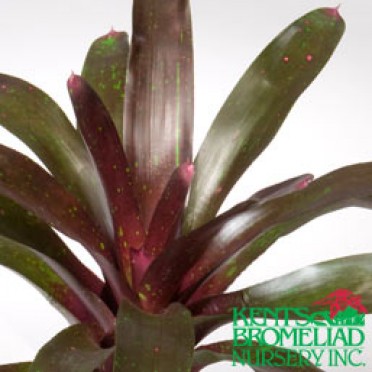
Bromeliads absorb water through both their central tank (the leaf rosette) and their roots. Overfilling the tank while neglecting the soil leads to root rot and shriveling leaves. The correct method: keep the tank half-f
Identifying and Managing Venomous Spiders in Georgia Homes
Two spiders pose real risks in Georgia: the black widow and the brown recluse. Black widows prefer outdoor hideouts—woodpiles, rock piles, sheds—but occasionally wander indoors. Theyre shy, biting only when crushed. Brow
Growing Sweetshrub from Seed: Timing and Stratification Are Key
Propagating Sweetshrub (Calycanthus floridus) Successfully Dr. Michael Dirr notes that sweetshrub seeds germinate best when planted fresh—just as pods turn from green to brown. Once seeds harden (hard enough to shoot fro
Copyright © www.100flowers.win Botanic Garden All Rights Reserved