


Optimal Fescue Planting Timeline: September Start, October Prime, November Gamble
Best fescue overseeding window balances soil temperature, moisture, and leaf management. Mid-September: Early but workable; cooler days, hurricane rains help Early October: Prime time—cooler soil, water restrictions li

Streetlights and Perennials: No Negative Effect from Sodium Vapor Lamps
Dr. Paul Thomas (UGA Horticulture) confirms: sodium vapor streetlights dont affect perennial flowering. Most perennials are long-day plants unresponsive to nighttime light levels or wavelengths. Bottom Line Install the
Horse-Toxic Plants: Protecting Equines from Garden Hazards
Horses sample everything near fences. Known toxic plants include: Trees: Red maple, wild cherry, black walnut, oak Shrubs: Azalea, rhododendron, castor bean Herbaceous: Lupine, larkspur, ground ivy, horsetail, tomato,
Yoshino Cherry Planted Too Deep: Diagnosing and Managing Root Collar Burial
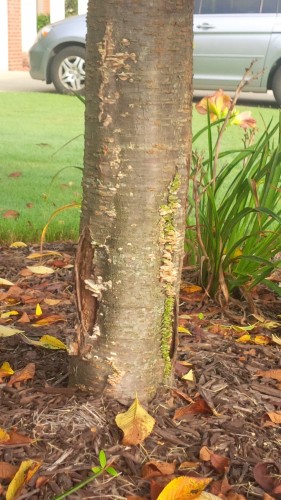
Vertical trunk splitting, fungal wounds, and early leaf drop on a 4-year-old Yoshino cherry indicate deep planting. Cherries, peaches, and plums suffocate in buried root collars. Diagnosis Excavate carefully to find the
Tree Roots and Septic Systems: Distance-Based Risk Assessment
Tree root/septic conflicts depend entirely on proximity to the leach field. Far end of field: Low risk—dry zone, roots not attracted Within 20 ft of tank outlet: High risk—remove tree Root Barrier Option Trench 18 de
Starting a Garden Club: Flexible Models for Modern Gardeners
Garden clubs today take many forms: coworker garden tours, neighborhood entrance landscaping crews, online tip-sharing groups, or single-plant societies. Finding Your Tribe Ask friends/neighbors about informal gatherin
White Fungus Under Pine Straw: What It Is and How to Manage It
While clearing a pine island filled with junipers, you might discover a white, gauzy substance beneath the pine straw. This web-like material is actually the mycelia—the root-like structures—of fungi breaking down the de
Red Tip Photinia Leaf Spot: Sun, Pruning, and Fungus Management
Photinia leaf spot (Entomosporium) thrives on wet leaves. Your healthy south-end shrubs get more sun/drying; diseased north-end ones stay damp longer. Cultural Control Plant in full sun only Never shear—pruning stimula
Boxwood Health: Root Zone Management for Long-Lived Shrubs
Boxwood decline usually stems from root zone issues: poor drainage, pH imbalance, or fertilizer burn. The 100-year-old specimens at Barnsley Gardens thrive because their roots are happy. Planting Protocol for Success R
Engaging Middle Schoolers with Plants: Games, Bogs, and Carnivorous Plants
Twelve-year-olds engage with plants through competition and weirdness, not lectures. Transform your unit with these approaches: Plant Survivor: Pit invasive chameleon plant vs. mint vs. horsetail in a raised bed Weird
The Great Southern Bean Debate: Butterbeans vs. Lima Beans
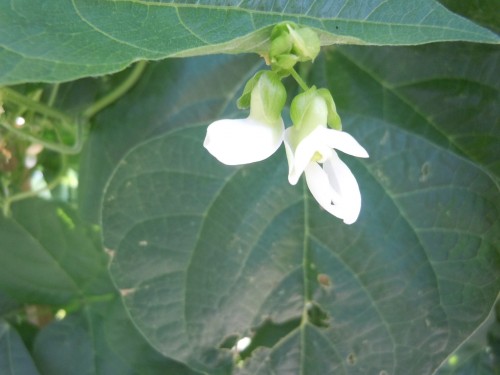
Few culinary arguments spark as much regional passion as the distinction between butterbeans and lima beans. In Georgia, the dividing line often falls between South Georgia natives and Atlanta transplants, with strong op
Growing Artichokes in Georgia: A Marginal Crop Worth Trying
Artichokes prefer cool, stable temperatures—Californias coast, not Georgias roller-coaster climate. But determined gardeners can attempt them. Best Approach Start from rooted cuttings (not seed)—Baroda Farms (888-955-6
Rodent Control Through Carrying Capacity Management
Effective rodent control starts with understanding carrying capacity—your landscapes ability to support animal populations based on food, water, and shelter. Reduce Carrying Capacity Eliminate spilled birdseed (use hul
Choosing a Soil pH Meter: Accuracy vs. Cost for Home Gardeners
Soil pH determines nutrient availability. Most plants prefer 5.5-6.5. Measurement options vary wildly in accuracy: Litmus strips: ±1 pH unit (6.0 reads 5.0-7.0)—crude but cheap Chemical kits: Similar ±1 unit accuracy T
Making Tea from Homegrown Camellia sinensis
Tea is made from tip bud + 2–3 leaves, withered, bruised, oxidized (black), partially oxidized (oolong), or steamed (green), then dried. Homegrown yields are tiny—fun project, not a Lipton rival. Charleston Tea Plantatio
Diagnosing Houseplant Problems: Three University Resources
For indoor plant troubleshooting, these university sites provide reliable, science-based guidance: UGA: General houseplant care and culture (ces.uga.edu/pubcd/b959-w.html) Univ. Minnesota: Insect pest identification (e
Growing Ginkgo from Seed: The 20-Year Gender Lottery
Ginkgo seeds from female trees produce 50/50 male/female seedlings. You wont know which you have for 15-25 years—when females begin dropping foul-smelling fruit. Nursery Solution Commercial ginkgos are male clones (cutt
Tilling Around Young Maple: Root Damage Mitigation and Recovery Care
Tilling near a newly planted October Glory maple severed surface roots—but the tree will likely survive with compensatory care. Immediate Remediation Incorporate soil conditioner into tilled area now Never till this zo
Forsythia Crown Gall: Pruning Out Bacterial Disease
Knotty swellings on forsythia stems are crown gall (Agrobacterium tumefaciens)—a bacterial disease with no chemical cure. Management Prune affected branches 6+ inches below visible galls Disinfect pruners between cuts
Magnolia Seed Stratification: The Cold, Moist Treatment for Germination
Magnolia seeds require stratification—moist chilling at 32-45°F for 3 months—to break dormancy. This mimics natural winter conditions. Simple Home Method Mix seeds with barely damp sphagnum peat moss Seal in plastic ba
Copyright © www.100flowers.win Botanic Garden All Rights Reserved