When you need green coverage now — privacy screen, ugly fence disguise, arbor shade, wall softening — fast-growing vines deliver. But speed brings responsibility: some "fast" vines become invasive nightmares. This guide profiles the best rapid climbers for different needs, with growth rates, maintenance requirements, and critical warnings so you get coverage without regret.
Understanding Vine Growth Habits
Climbing Mechanisms (Determines Support Needs)
- Twining stems: Wrap around supports (pole beans, morning glory, honeysuckle) → need trellis, wire, thin poles
- Tendrils: Modified leaves/stems grasp (peas, grapes, passionflower) → need netting, wire mesh
- Aerial roots: Cling to rough surfaces (English ivy, climbing hydrangea, trumpet vine) → climb walls, trees, bark
- Adhesive pads: Stick to smooth surfaces (Virginia creeper, Boston ivy) → climb anything
- Scramblers: Lean and hook (roses, bougainvillea) → need tying, sturdy framework
Growth Rate Categories
- Explosive (15-30+ ft/yr): Trumpet vine, silver lace vine, kudzu (invasive), mile-a-minute
- Fast (10-15 ft/yr): Honeysuckle, wisteria, five-leaf akebia, clematis Armandii
- Moderate-Fast (6-10 ft/yr): Climbing roses, jasmine, passionflower, grape
Top Performing Vines by Category
1. Trumpet Creeper (Campsis radicans)
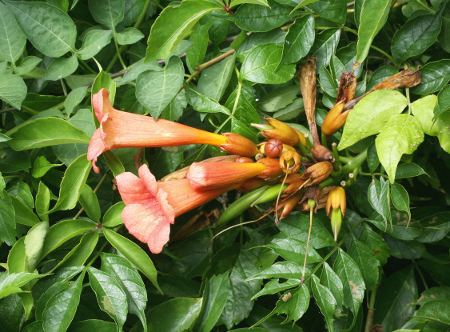
- Rate: Explosive — 20-40 ft/yr
- Flowers: 3" orange-red trumpets, summer-fall, hummingbird magnet
- Climb: Aerial roots + twining — self-attaches to wood, masonry
- Zones: 4-9
- ⚠️ CRITICAL: Aggressive suckering — spreads 20+ ft underground; damages siding, foundations; listed invasive in many areas. Only for contained, maintained sites.
- Cultivar: 'Madame Galen' (less aggressive, salmon flowers)
2. Honeysuckle (Lonicera spp.)
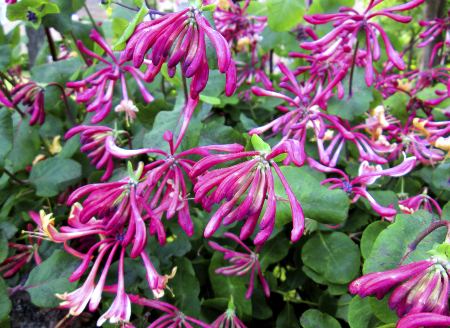
- Best species: L. sempervirens (coral honeysuckle, native, zones 4-9), L. periclymenum (woodbine, fragrant, zones 4-9)
- AVOID: L. japonica (Japanese honeysuckle) — highly invasive in East/Midwest
- Rate: Fast — 10-20 ft/yr
- Flowers: Tubular, red/yellow/white, spring-summer, fragrant (esp. woodbine)
- Climb: Twining — needs trellis/wire
- Wildlife: Hummingbirds, butterflies, birds (berries, nest sites)
- Drought tolerant once established
3. Five-Leaf Akebia / Chocolate Vine (Akebia quinata)
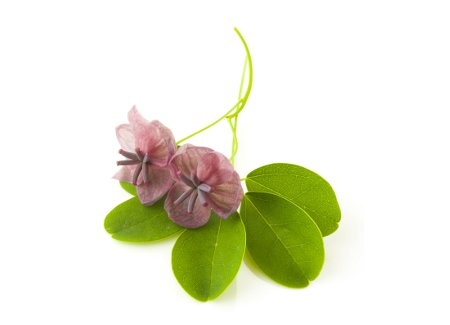
- Rate: Fast — 15-20 ft/yr, to 30-40 ft
- Foliage: Blue-green, 5 leaflets, semi-evergreen (evergreen zone 7+, deciduous north)
- Flowers: Chocolate-scented, purple-brown, spring (subtle but fragrant)
- Fruit: Edible purple pods, sausage-shaped (rare without cross-pollination)
- Climb: Twining — needs support
- ⚠️ CAUTION: Invasive in mid-Atlantic, Southeast — spreads by seed and layering
- Best: Full sun to part shade; well-drained soil
4. Wisteria (Wisteria spp.)
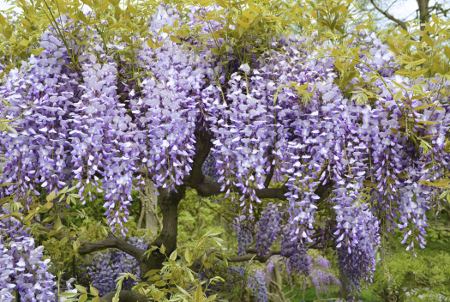
- Species choice CRITICAL:
- W. frutescens (American wisteria) — zones 5-9, 15-25 ft, less aggressive, blooms on new wood (reliable)
- W. macrostachya (Kentucky wisteria) — zones 4-9, hardiest, 'Blue Moon' cultivar reblooms
- AVOID: W. sinensis (Chinese), W. floribunda (Japanese) — highly invasive, 60+ ft, destroys structures
- Flowers: Spectacular pendulous racemes, blue/purple/white, spring
- Climb: Twining — needs very sturdy support (4x4 posts, heavy arbor)
- Pruning: Twice yearly (winter + summer) essential for bloom and control
- Maturity: 3-7 years to first bloom — patience required
5. Silver Lace Vine (Fallopia baldschuanica / Polygonum aubertii)
- Rate: Explosive — 20-30 ft/yr, to 40 ft
- Flowers: Masses of tiny white/greenish, fragrant, summer-frost
- Foliage: Bright green, heart-shaped, deciduous
- Climb: Twining — covers trellis/fence rapidly
- Spread: Rhizomes — can sucker
- ⚠️ CAUTION: Invasive potential in moist areas; listed in several states
- Best: Quick screen, full sun to part shade, tough conditions
6. Clematis Armandii (Evergreen Clematis)
- Rate: Fast — 15-20 ft/yr, to 20-30 ft
- Flowers: 2-3" white stars, vanilla fragrance, early spring (Feb-Apr)
- Foliage: Leathery, dark green, evergreen (zones 7-9; semi-evergreen 6)
- Climb: Twining leaf petioles — needs thin support (wire, netting)
- Best: Part shade, protected from harsh winter wind
- Pruning: Group 1 — only after flowering, light shaping
Annual Vines: Instant Seasonal Coverage
For renters, temporary needs, or testing locations — grown from seed each year:
| Vine | Height | Flowers | Key Traits |
|---|
| Morning Glory (Ipomoea) | 10-15 ft | Blue/purple/pink/white, dawn | Self-sows aggressively; twining |
| Moonflower (I. alba) | 10-20 ft | 6" white, night-blooming, fragrant | Nocturnal pollinators; twining |
| Cypress Vine (I. quamoclit) | 6-10 ft | Red stars, feathery foliage | Hummingbirds; delicate texture |
| Cardinal Climber (I. sloteri) | 10-15 ft | Red trumpets, ferny leaves | Hybrid; hummingbird favorite |
| Hyacinth Bean (Lablab) | 10-20 ft | Pink/purple, edible pods | Fast; ornamental + edible |
| Scarlet Runner Bean (Phaseolus) | 10-15 ft | Red, edible beans | Perennial in zones 7+; hummingbirds |
| Nasturtium (Tropaeolum) | 6-10 ft (trailing) | Orange/yellow/red, edible | Aphid trap crop; easy seed |
Vines for Specific Situations
Shade Tolerant (3-5 hrs sun)
- Climbing Hydrangea (Hydrangea anomala petiolaris) — slow start, then steady; aerial roots
- Japanese Hydrangea Vine (Schizophragma hydrangeoides) — similar, showier bracts
- English Ivy (Hedera helix) — invasive in many areas; use only contained
- Virginia Creeper (Parthenocissus quinquefolia) — native, adhesive pads, fall color
- Crossvine (Bignonia capreolata) — evergreen, orange trumpets, shade tolerant
Evergreen Screening (Year-Round Privacy)
- Carolina Jessamine (Gelsemium sempervirens) — zones 7-9, yellow trumpets, twining
- Star Jasmine (Trachelospermum jasminoides) — zones 8-10, fragrant white, twining
- Evergreen Clematis (C. armandii) — zones 7-9, early spring bloom
- Armand's Clematis cultivars: 'Apple Blossom' (pink), 'Snowdrift' (white)
Edible/Functional
- Grapes (Vitis) — need strong trellis, annual pruning, full sun
- Kiwi (Actinidia) — 'Issai' self-fertile, hardy; needs very sturdy support
- Passionflower (Passiflora) — 'Maypop' hardy to zone 6; exotic flowers, fruit
- Hops (Humulus lupulus) — dies back annually; 20+ ft; brewing
Support Structures: Match to Vine Weight
- Light (annuals, clematis, peas): Netting, twine, wire mesh, bamboo teepees
- Medium (honeysuckle, jasmine, grapes): 2x4 trellis, welded wire panels, cable systems
- Heavy (wisteria, trumpet vine, climbing roses): 4x4/6x6 posts, pergola, arbor, heavy gauge cable
- Wall-mounted: Eye hooks + coated cable (for twining); masonry anchors (for aerial roots)
Management Rules for Fast Vines
- Right plant, right place: Match vigor to space — 40-ft vine on 8-ft trellis = constant battle
- Annual hard pruning: Late winter — remove 50-75% of growth for most vigorous vines
- Root barrier: Install 24" deep HDPE barrier for rhizomatous spreaders
- Deadhead: Prevent seeding (morning glory, honeysuckle, silver lace)
- Monitor boundaries: Weekly in growing season — redirect, don't just cut
- Know your exit strategy: Can you remove it if needed? (Wisteria on house = nearly impossible)
Fast-growing vines are power tools in the landscape — they reshape spaces in a single season. But like any power tool, they demand respect, knowledge, and ongoing attention. Choose the vine whose vigor matches your structure, whose maintenance you'll actually perform, and whose invasive potential you've researched for your region. The best vine isn't the fastest — it's the one that solves your problem without becoming your next problem.


