
Growing Sunflowers from Birdseed: Pasture Planting Guide
Yes, Black Oil Sunflower Seeds Will Sprout Those inexpensive birdseed packets? Theyre viable oil-type sunflower seeds (black, not striped). If they volunteer under your feeder, theyll grow in your pasture too. Preparati

Feeding Perennials with Cottonseed Meal: Timing and Strategy
Why Organic Fertilizers Work Differently Unlike synthetic 10-10-10 that dissolves instantly (and washes away if roots are cold), cottonseed meal relies on soil bacteria to break it down. Nutrients release only when soil
Transplanting Water-Rooted Willow Cuttings Outdoors
From Water Jar to Garden Bed: A Timeline Your willow cuttings have sprouted roots in water—now what? Follow this staged approach for successful transition to the garden. Step 1: Root Development (Now) Wait until roots r
Milorganite for Deer Control: Does It Really Work?
The Science Behind the Sewage Sludge Gardeners swear by everything from human hair to coyote urine for deer deterrence. But University of Georgia and Berry College researchers put Milorganite (activated sewage sludge) to
When to Water Camellias and Azaleas After Winter Drought
Understanding Soil Moisture Dynamics Water leaves soil through three paths: evaporation, gravity drainage, and plant transpiration. In winter and spring, evaporation is minimal, gravity only removes excess, and plants tr
Spider Mites on Indoor Palms: Identification and Control
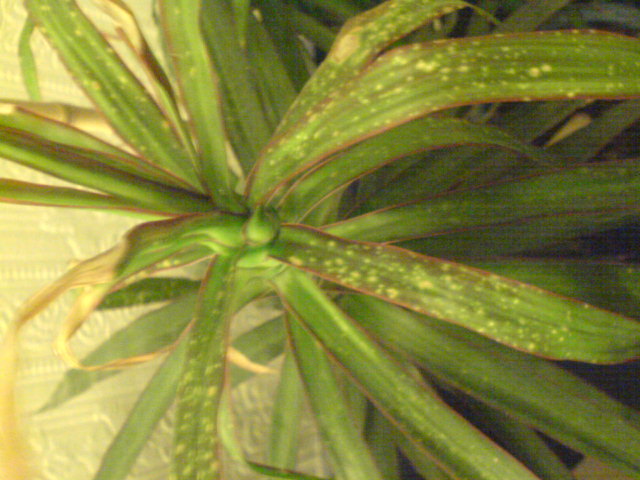
Those Cobwebs Are a Red Flag If your new housewarming palm shows browning leaves and fine webbing between fronds, youre almost certainly dealing with spider mites—the bane of indoor palms everywhere. Why They Thrive Ind
SunLite Potatoes: Can You Grow Low-Carb Spuds in North Georgia?
The Truth Behind Low-Carb Potatoes Youve probably seen the buzz about SunLite potatoes—a Florida-grown variety marketed as a lower-carb alternative to traditional spuds. But before you clear a patch in your North Georgia
Using Aged Horse Manure in Flower Beds: A Complete Guide
Aged horse manure is a fantastic source of organic humus, which holds nutrients and improves soil structure. However, because humus particles are tiny, mixing manure directly into heavy clay can create drainage problems.
Best Nesting Materials for Birds: Why Dryer Lint Isn't Enough
You’ve saved months of dryer lint, eager to help your backyard birds. But before you scatter it on the shrubs, know this: lint works well for cavity-nesting birds (like chickadees or bluebirds), but shrub-nesting species
Saving Storm-Damaged Trees: How to Straighten and Stake Leaning Trees After a Tornado
When a tornado tears through a neighborhood, small yard trees often bear the brunt of the damage. If your trees are leaning after the storm, their chances of survival depend entirely on why they’re leaning. Scenario 1:
Hard Pruning Overgrown Boxwoods: A Two-Year Strategy for Recovery
Boxwoods dont rebound from severe shearing like hollies do. Instead of a buzz cut, use a phased reduction: this year, remove up to one-quarter of the total mass by cutting out the largest interior limbs at their base. Th
Best Ground Cover for Deep Shade: Dwarf Mondo Grass Beats Ivy Every Time
English ivy is an ecological menace—it climbs trees, smothers natives, and creates ivy deserts. For shady erosion control, dwarf mondo grass (Ophiopogon japonicus Nanus) is superior. It forms a dense, 3–5 inch evergreen
Bees Swarming Burford Hollies: A Temporary Spring Bonanza
Your dwarf Burford hollies are buzzing because early spring nectar is scarce, and holly flowers are a concentrated, high-value resource. Honeybees, native bees, and small wasps flock to them en masse. Theyre focused sole
Magic Lily (Lycoris squamigera) Not Blooming? Check Sun, Soil, and Feeding
Magic lilies—also called Naked Ladies—follow a distinct cycle: strappy leaves emerge in spring, die back by summer, then leafless flower stalks surge in late summer with pink trumpets. If yours only produce foliage, the
Feeding Deer Backfires: Why Attractants Increase Garden Damage
It seems logical: offer deer a feeder and theyll leave your garden alone. Ecology says otherwise. Deer populations expand to match the carrying capacity of available food. Supplemental feeding raises that capacity, drawi
Why Extra Phosphorus Won't Deepen Fescue Roots for Summer Heat
Phosphorus is essential for root development, but adding more only helps if a soil test shows a deficiency. University of Georgia data reveals 65% of north Georgia lawns already have adequate phosphorus. Excess phosphoru
Revitalizing Large Potted Ficus and Schefflera Without Repotting
Nine-foot potted trees are too heavy to repot, but salt buildup demands action. Try an in-place soil flush: calculate the pot volume, multiply by eight, and slowly apply that amount of water over seven days. Remove leach
Hydrophobic Potting Soil: Wet It with Soapy Water or Bag Method
Peat-heavy soils repel water when dry. Fix: swish Ivory soap in 5-gal water until slight suds, use to moisten soil. Or: bag soil with 1 gal water, seal, sunbathe 1 day.
Phalaenopsis Keiki: Let Roots Grow, Then Separate
Baby plant (keiki) on flower spike will grow roots. When roots reach 2 inches, cut keiki from mother and pot in orchid mix. Continue normal care.
Pruning 'Snow Fountain' Weeping Cherry: Staggered Cuts Prevent Mushroom Shape
Cut individual branches back to 6–18 inches above ground each winter. Vary heights to avoid a uniform mushroom shape. Plant near walls or water for natural cascade room.
Copyright © www.100flowers.win Botanic Garden All Rights Reserved