
Should You Feed Birds in Summer?
Its Optional, But Enjoyable Birds dont need supplemental food in summer when natural sources abound. However, feeding year-round brings them closer for observation and supports parents feeding fledglings. If You Continue

Transplanting Mature Peonies to a Sunnier Spot
October Is the Ideal Month Peonies resent disturbance but tolerate fall division. In October, lift clumps with a spading fork, wash soil off roots, and divide with a sharp knife, ensuring each section has strong roots an
Correct Watering for New Zenith Zoysia Sod
Overwatering Causes Root Rot, Not Establishment New sod needs 1 inch of water per 1,000 sq ft initially (≈600 gallons). For 6,500 sq ft, thats ~3,900 gallons—matching your meter. But thats a one-time soaking. After the F
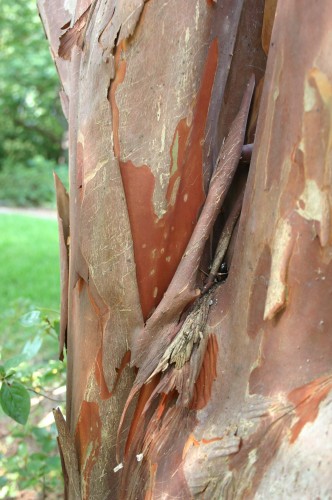
Crapemyrtle Bark Peeling: Normal and Beautiful
Exfoliation Is a Feature, Not a Flaw Bark shedding on crapemyrtles, river birches, and paperbark maples is natural exfoliation, revealing colorful inner bark. Dr. Don Egolfs breeding program combined Lagerstroemia indica
Boron for Watermelons: Soil Drench Method Using Household Borax
Boron Deficiency Mimics Pollination Failure Before treating, confirm honeybees are active. Poor pollination looks identical to boron deficiency. Safe Soil Application Mix 1 tablespoon 20 Mule Team Borax in 1 quart water
Do Bats and Purple Martins Control Mosquitoes?
Myth-Busting: They Dont Eat Enough Mosquitoes Neither bats nor purple martins significantly reduce mosquito populations. Martins prefer larger insects; bats hunt moths and beetles at higher altitudes. Mosquitoes fly low
Post-Bloom Care for Outdoor Amaryllis
Cut Stalks, Keep Leaves for Energy Storage After flowers fade, cut the thick flower stalk to the base. Leave all foliage intact through summer—it photosynthesizes to recharge the bulb for next year. Hardy vs. Holiday Typ
Better Erosion Control Than Crabgrass
Why Crabgrass Is a Poor Choice for Slopes Crabgrass is an annual that dies in winter, leaving soil exposed. Its seed germinates only in spring, so planting now yields little. Seed is also commercially unavailable. Superi
Why Japanese Beetles Disappeared After Drought
Dry Soil Kills Grubs Naturally Japanese beetle adults lay eggs in lawns in July–August. Larvae need moist soil to survive. The extreme drought dried the soil, killing eggs and young grubs before they could burrow deep. N
Harvesting True Saffron: Only from Fall Crocus
Dont Confuse Spring and Fall Crocus Saffron comes exclusively from Crocus sativus, a fall-blooming species. Spring crocus (C. vernus, C. chrysanthus) produce no saffron. The harvested part is the red stigma (female organ
Do Bay Leaves Repel Roaches? Science Says No
Myth vs. Reality for Natural Pest Control No scientific evidence supports bay leaves as insect repellents. Plant volatiles require high concentrations to affect insects—far more than a single tree provides. Effective Roa
Propagating Crossvine from Seed Pods
Easy Steps to Grow More Crossvine Crossvine (Bignonia capreolata) seeds are ready when pods turn brown and split. Collect seeds and choose a sowing strategy: Option 1: Immediate Sowing Plant fresh seeds in a prepared bed
Why 2,4-D Will Kill Your Vinca Along with the Vetch
Broadleaf Herbicides Dont Discriminate Among Broadleaves 2,4-D targets broadleaf weeds but cannot distinguish between desirable ornamentals (vinca) and weeds (vetch). Any broadleaf herbicide will damage or kill both. Saf
Growing Almonds in Georgia: High Effort, Low Reward
Why Almonds Struggle in the Southeast Almonds share peach pests and diseases but demand hot, dry summers with irrigation—conditions Georgia rarely provides consistently. Rain or humidity at harvest causes fruit rot. If Y
Using Swimming Pool Backwash Water for Irrigation
Chlorinated Water Is Generally Safe for Plants Pool backwash water with normal chlorine levels wont harm most landscape plants. However, you must follow local outdoor watering schedules—typically restricted to certain da
Is Lawn Fertilizer Dangerous to Pets? What You Need to Know
Understanding Fertilizer Safety for Your Furry Friends Many homeowners worry when they see warning labels on fertilizer bags cautioning to keep the product away from pets and children. If youve recently applied a 16-4-8
Saving a Frost-Damaged Oleander
Wait, Watch, Then Decide Oleander cold tolerance varies by variety, microclimate, and pre-freeze conditions. Mathilde Ferrier is notably hardy. Dont rush to prune. The Late-April Rule Wait until late April to assess dama
Gnats in the Compost Bin: Friend or Foe?
Those Tiny Flies Are Actually Helping Fruit flies and gnats swarming your compost are drawn to sugars and proteins in kitchen scraps. They dont harm the process—in fact, they introduce beneficial fungi that accelerate de
Why You Don't Need to Buy Earthworms
Build Soil Health and They Will Come Earthworms naturally colonize fertile, moist, organically rich soil. Instead of purchasing them, create conditions that attract them. Prepare the Bed Properly Incorporate 2–3 inches o
Indian Meal Moth Life Cycle and Control
Understanding the Pantry Pest Timeline The complete Indian meal moth life cycle spans about six weeks. Eggs hatch in 2–14 days; larvae feed for 2–3 weeks; pupation lasts 1–2 weeks; adults live only 10–12 days. Target the
Copyright © www.100flowers.win Botanic Garden All Rights Reserved