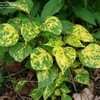
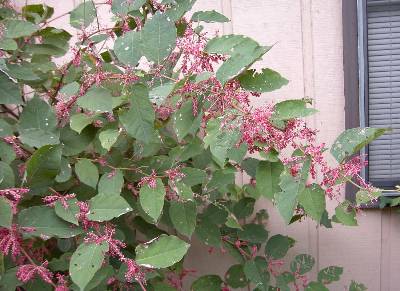
Mexican Bamboo (Japanese Knotweed): Beautiful but Invasive—Don't Plant It
Mexican bamboo (Polygonum cuspidatum, also sold as Crimson Beauty, Variegata, Spectabile, Tricolor) is a tall, hollow-stemmed perennial that dies back in winter and spreads aggressively via underground rhizomes. Why Its

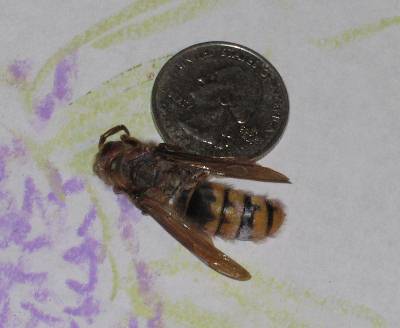
European Hornet Identification: Large, Night-Flying, and Nesting in Cavities
The European hornet (Vespa crabro) is the largest wasp in the U.S., introduced around 1840 in New York. Unlike bald-faced hornets, they nest in hollow trees, wall voids, and attics—not exposed aerial nests. Distinctive B
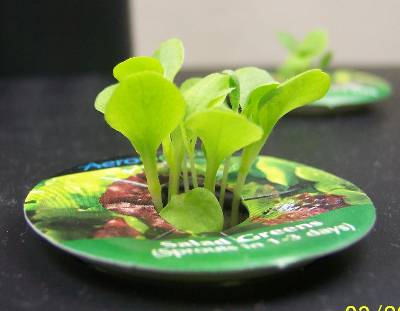
Growing Herbs Indoors: Light Solutions for Low-Light Windows
A southeast window with only morning sun rarely provides enough light for healthy herbs. But compact fluorescent lights (CFLs) make indoor herb gardening feasible. Simple CFL Setup Buy two gooseneck or clamp-on lamps. I

Leyland Cypress Origin: A Hybrid Born in Wales, Not a Native
Leyland cypress (× Cupressocyparis leylandii) is a hybrid between Monterey cypress (Cupressus macrocarpa) and Alaska cedar (Chamaecyparis nootkatensis). Both parents are native to the North American Pacific coast, but th
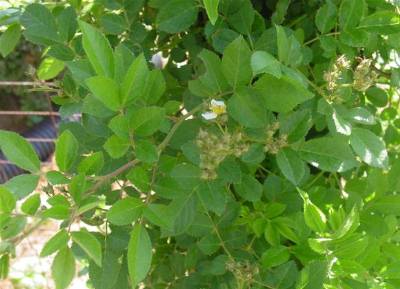
Multiflora Rose: Invasive "Living Fence" That Became a Nightmare
Multiflora rose (Rosa multiflora) was introduced from Asia in 1866 as rootstock and later promoted as a living fence for livestock. It forms impenetrable, thorny thickets 5–10 feet tall, displacing native vegetation acro
Wood Rot at Tree Base: Fungal Fruiting Bodies Signal Internal Decay
Mushrooms and conks emerging from the base of trees in a woodlot indicate active wood-decay fungi. When conditions are right, these fungi produce visible fruiting bodies—the mushrooms you see. Can It Be Cured? There is n
Boll Weevil Damage to Cotton: Feeding and Egg-Laying Habits
The boll weevil (Anthonomus grandis grandis) is a historic cotton pest. Adults feed on plant terminals before bloom, then shift to young bolls, puncturing them to lay eggs inside. Larvae develop within the boll, destroyi
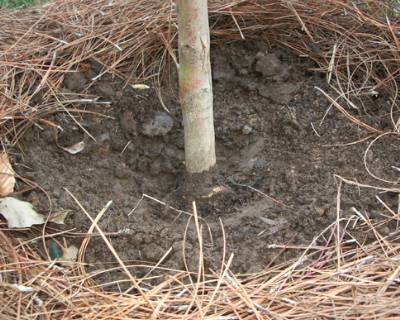
Coral Bark Maple Decline: Girdling Roots Strangle the Trunk
A coral bark maple rapidly declining with bark cracking at the base often suffers from circling (girdling) roots. One root, visible at the trunk flare, presses against the stem, cutting off nutrient flow. How Girdling Ro
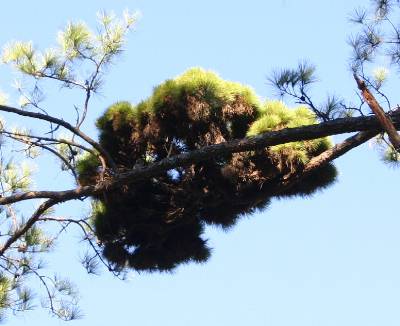
Pine Brooming (Witch's Broom): Fusiform Rust's Strange Growth
A dense, bushy cluster of needles at a pine branch tip—called a witchs broom or pine brooming—is caused by fusiform rust, a common fungal disease on loblolly pines. How It Forms The fungus typically creates swollen galls
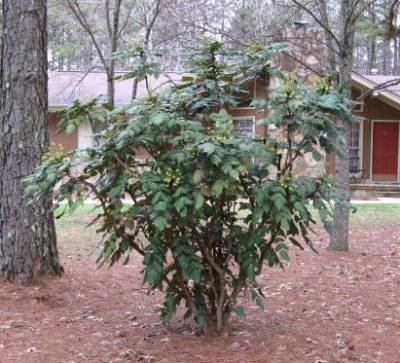
Pruning Leatherleaf Mahonia: The Nandina-Style Method for a Fuller Shrub
Leatherleaf mahonia (Mahonia bealei) can become leggy and sparse at the base. Pruning it like nandina—selectively cutting stems at varying heights—creates a dense, rounded form with foliage from ground to top. Step-by-St
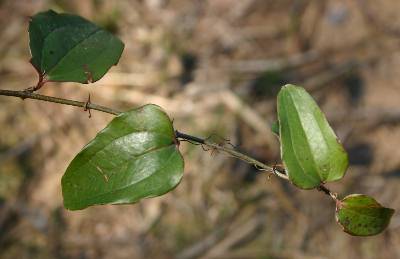
Smilax Identification & Control: Taming the Thorny Invader
Smilax (green briar, catbrier, deer thorn) is a thorny, waxy-leaved vine with blue-black berries that birds love—but gardeners dread. Its deep, bulbous root crown stores energy, allowing it to resprout endlessly after cu
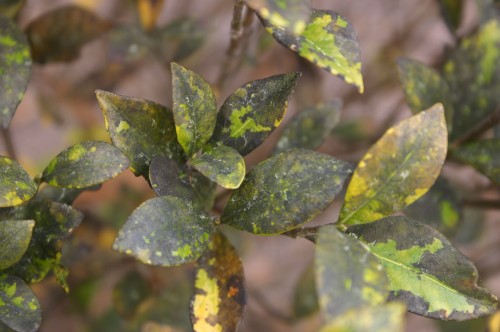
Gardenia Whitefly & Sooty Mold: Break the Cycle with Systemic Treatment
Black, sooty leaves on gardenias are a classic sign of whitefly infestation. The tiny white insects suck sap and excrete honeydew, which fuels sooty mold fungus. Killing the whiteflies stops the honeydew, and the mold ev
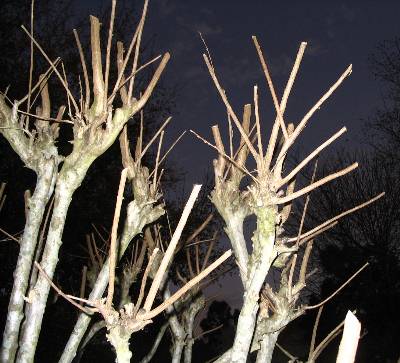
Crape Myrtle Pruning: Avoiding the "Brushy" Look for Better Blooms
Crape myrtles are Southern staples, but improper pruning leaves them looking like a dense brush pile instead of the elegant, flower-filled trees they should be. Common Pruning Mistake A homeowner pruned established crape
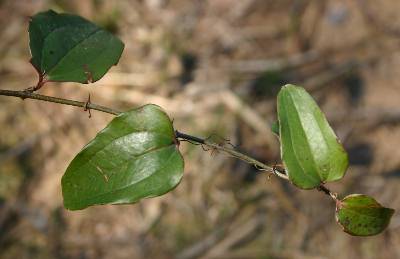
Eradicating Smilax (Green Briar): The Bucket-Soak Herbicide Method
Few garden invaders inspire as much frustration as smilax—also called green briar, deer thorn, or that *^!!@ %* !! sticker vine. Its deep taproot, glossy leaves that shed herbicide, and ability to resprout from dormant r
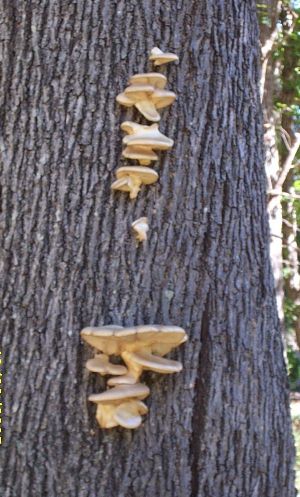
Wood Rot in Trees: Identifying and Managing Fungal Decay
Discovering mushrooms growing on a tree trunk or roots can be alarming. These fungal fruiting bodies signal internal decay, but not all wood rot spells immediate doom for the tree. What Causes Wood Rot? Dozens of fungi a
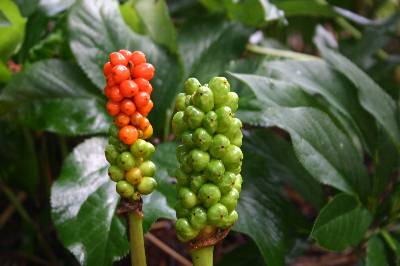
Poisonous Plants: Keeping Pets and Children Safe in the Garden
Many homeowners worry about planting certain greenery when pets and young children play in the yard. While some common plants are labeled poisonous, that doesnt mean you must banish them entirely. Understanding the risks
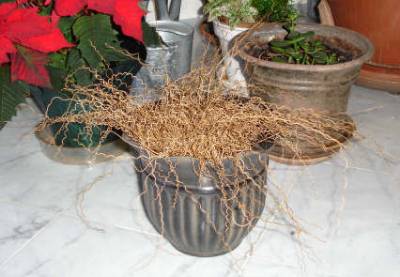
Corkscrew Rush: Water-Loving Perennial
Juncus effusus Spiralis is outdoor, not a houseplant. Keep in water or very moist soil (edge of pond). Stems usable in arrangements. Overwinter outdoors in water. See Corkscrew Rush.
Sago Palm Scale: Horticultural Oil Works
Cycad scale on sago palm: UF research shows 4 applications of horticultural oil (2 weeks apart, thorough coverage) equals chemical controls. Many growers quit due to difficulty.
Carpenter Bees Damaging Banana Flowers
Carpenter bees slit banana flowers for nectar. Spray carbaryl (Sevin) on flowers when bees active. Bananas set fruit without pollination, so no loss.
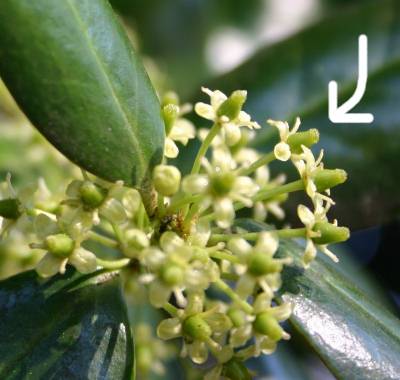
Holly Sex Identification: Flower Structure
Sparkleberry hollies likely all female; need Apollo male. Female flowers have central swollen berry; males have pollen-tipped stamens. Fertilize with Holly-tone for foliage. female flower female flower male flower
Copyright © www.100flowers.win Botanic Garden All Rights Reserved