


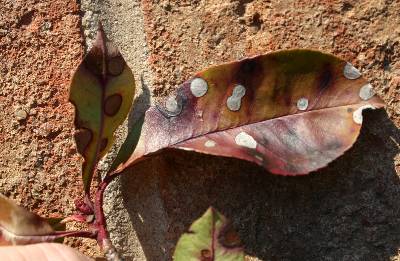
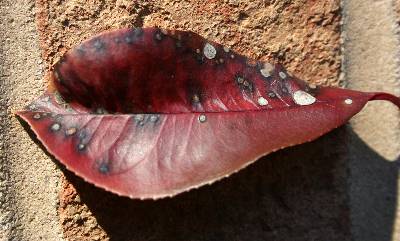
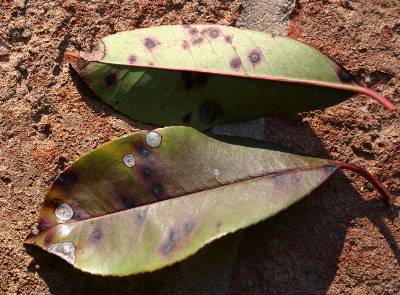
Red tip photinia (Photinia × fraseri) is prized for its vibrant new growth, but the fungal leaf spot Entomosporium mespili can devastate plantings. The disease thrives on the very feature that makes photinia attractive—its flushes of tender red leaves.
The single most effective strategy is avoiding spring pruning. Shearing in spring stimulates susceptible new growth exactly when fungal spores are abundant. Instead, grow photinias in full sun with good air circulation, and if pruning is necessary, do it in midsummer using hand pruners or loppers—never hedge shears. This prevents the dense, tender growth that the fungus exploits.
For established infections, fungicides containing myclobutanil (Immunox) or propiconazole (Fung-Away) can suppress spread when applied according to label directions. However, chemical control alone fails without cultural changes. A combined approach—proper pruning timing, adequate spacing, and targeted sprays for a year or two—offers the best long-term results.
Where leaf spot is chronic, consider replacing photinias with resistant evergreens like 'Carissa' holly, distylium, or wax myrtle. These provide similar screening function without the disease burden.
Diagnosing Yellow Patches on Habanero Pepper Leaves
Tomato Leaf Spots: Flea Beetle Damage, Not Disease
Live Oak Leaf Spots: Insect Exit Holes, Not Disease
Spindle Galls on Plum Leaves: A Cosmetic Issue
Leaf Bag Reviews: Kangaroo Bags, Bosbag, and Tip Bag for Fall Cleanup
Indian Hawthorn Leaf Spot and Chlorosis: Dual Diagnosis and Treatment
Entomosporium Leaf Spot on Photinia and Indian Hawthorn
Identifying a Suspicious Leaf Spot on Phalaenopsis
Brown Spot on Phalaenopsis Leaf: Bacterial Infection Emergency Response
Curled Leaves Touching Soil on African Violet: Genetic Trait and Mechanical Fixes
Soggy Lower Leaves on African Violets: Overwatering History and Root Rot Check
Copyright © www.100flowers.win Botanic Garden All Rights Reserved