


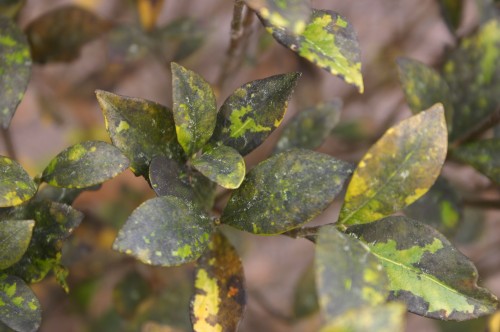
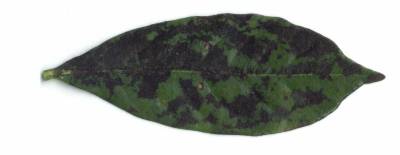
Black, sooty leaves on gardenias are a classic sign of whitefly infestation. The tiny white insects suck sap and excrete honeydew, which fuels sooty mold fungus. Killing the whiteflies stops the honeydew, and the mold eventually weathers away.
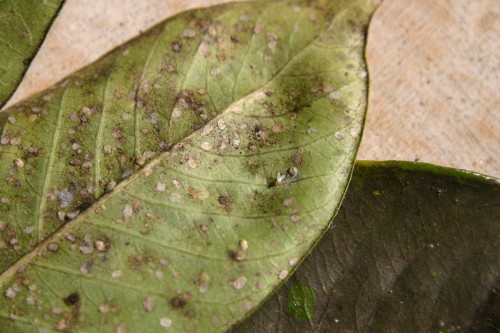
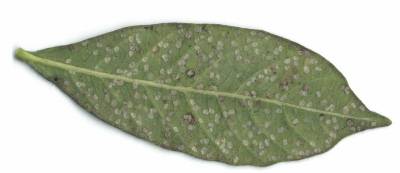
Look on the undersides of leaves for immobile, scale-like nymphs—the immature whiteflies. Adults flutter up when disturbed.
Systemic insecticides applied to the soil in early April provide season-long protection. The chemical moves into the sap, poisoning feeding whiteflies but sparing beneficial insects that don't feed on the plant.
Once the whiteflies are gone, rain will gradually wash off the sooty mold, restoring the gardenia's glossy green foliage.
Treat the cause (whiteflies), not just the symptom (sooty mold), with a timely systemic application for clean, healthy gardenias all season.
Troubleshooting Gloxinia Decline: Questions to Pinpoint the Cause
Soft, Floppy Phalaenopsis Leaves: Calcium/Magnesium Deficiency
African Violet Lighting and Repotting Myths: Why Lamps Don't Replace Sunlight
Reviving Floppy Nepenthes Leaves After Bare-Root Shipping
Winter Pruning of Sarracenia & Venus Flytraps: How Much Is Too Much?
Black Leaf Issues on Gardenia and Citrus: Likely Sooty Mold
Syngonium Leaf Tip Browning and Pruning Young Plants
Sunflower Leaves Brown & Translucent: Hot Water or Season End?
Are Gardenias Perennials? They're Evergreen Shrubs Needing Acid Soil
New Gardenia Shrubs Turning Yellow: Water, Insects, or Shock?
Are Large Brussels Sprout Leaves Edible? Harvest Tips for a Better Crop
Copyright © www.100flowers.win Botanic Garden All Rights Reserved