


Discovering mushrooms growing on a tree trunk or roots can be alarming. These fungal fruiting bodies signal internal decay, but not all wood rot spells immediate doom for the tree.
Dozens of fungi attack both hardwoods and conifers. When conditions suit them—moisture, wounded bark, stressed trees—they produce visible conks or mushrooms. UGA Disease Specialist Holly Thornton provides a comprehensive overview in her article "Wood Rots," which explains the biology and management options.
Not every fungal growth requires drastic action. Some decay fungi are secondary invaders on already declining wood. However, extensive fruiting on major structural roots or the lower trunk warrants evaluation by a certified arborist.
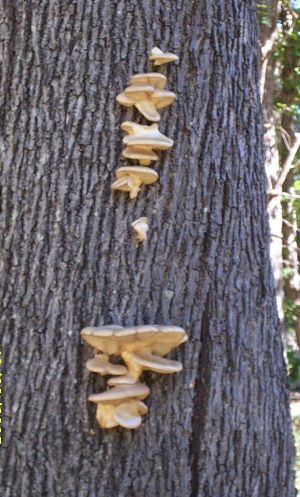
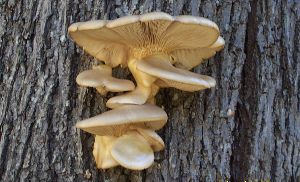
Early detection and professional advice are your best tools for managing wood decay.
Slime Flux on Maple: Understanding the Smelly Sap Condition
Maple Tree Black Ooze: Slime Flux (Wetwood)—A Mixed Blessing
Managing Mulch and Surface Roots on Mature Black Maple
Laurel Oak Rust Spots & Sap: Slime Flux (Wetwood)
The Enduring Art of Olive Wood Carving in Palestine
Advanced Maple Trunk Decay: No Magic Bullet, Focus on Vigor and Safety
Carrotwood Tree Leaf Drop: Too Much Water Can Be Just as Harmful as Too Little
Green Ash Heart Rot: Storm Reveals Internal Decay
Pin Oak Trunk Oozing Reddish-Brown: Slime Flux from Wetwood
Saving a Redbud Tree from Wood Borer Infestation
Killing Unwanted Cottonwood Trees: Girdling and Herbicide Method
Understanding Wood Structure: Macro and Micro Anatomy for Builders
Copyright © www.100flowers.win Botanic Garden All Rights Reserved