


Crape myrtles are Southern staples, but improper pruning leaves them looking like a dense brush pile instead of the elegant, flower-filled trees they should be.
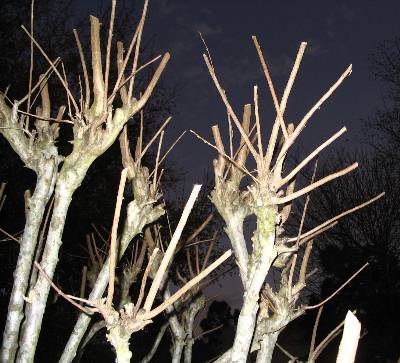
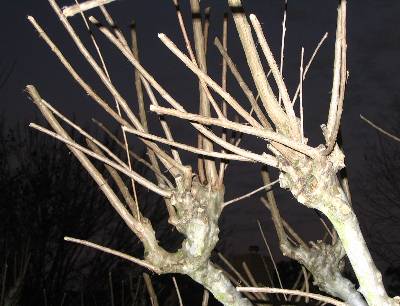
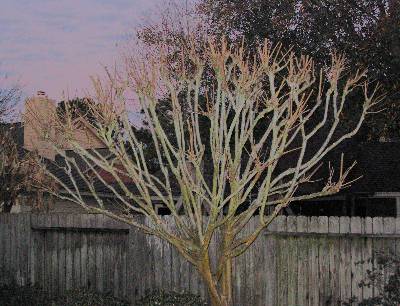
A homeowner pruned established crape myrtles near a pool, cutting back to the "knots" (old pollarding heads). The result: a thicket of small twigs at the top—what experts call "brushy."
Judging the photos, the tree retains too many crowded twigs. Removing about one-third of the remaining small branches would:
Refer to "Pruning Crape Myrtles Correctly" for detailed guidance. The goal is an open, vase-shaped framework with strong main trunks and selectively thinned lateral branches.
With thoughtful thinning, your crape myrtles will reward you with a graceful form and spectacular blooms.
Optimize Your Summer Garden: Soil, Sun & Smart Practices
Elevate Your Summer Garden: Design Details That Impress
Furnish Your Summer Garden for Comfort & Style
How to Grow Strawberries: Varieties, Planting, Care, and Harvest Tips
Tomato Ripening and Growing Degree Days
How to Start a Cool-Season Vegetable Garden for Fall, Winter, and Spring Harvests
Grow Sunflowers: Summer's Cheerful Giants for Seeds, Birds & Beauty
How to Grow the Sweetest Corn: From Planting to Harvest
How to Grow Beans: From Snap to Dry, a Complete Guide
How to Grow Blueberries: Ornamental, Edible, and Nutritious
How to Grow Cucumbers: Versatile, Prolific, and Perfect for Vertical Gardening
Copyright © www.100flowers.win Botanic Garden All Rights Reserved