


The European hornet (Vespa crabro) is the largest wasp in the U.S., introduced around 1840 in New York. Unlike bald-faced hornets, they nest in hollow trees, wall voids, and attics—not exposed aerial nests.
If a nest is accessible, spray wasp & hornet aerosol into the entrance at night when all foragers are inside. Wear protective clothing.
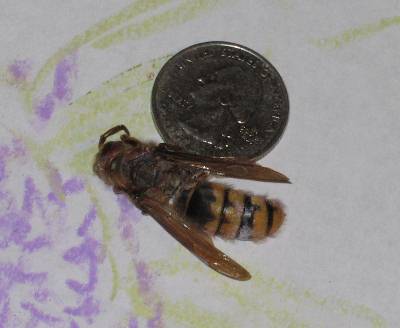
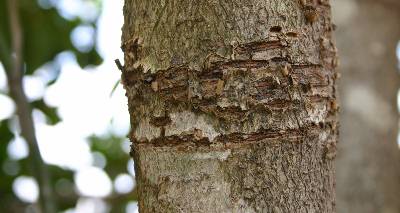
These impressive insects are beneficial predators but can be a nuisance near homes.
Finding Wild Elderberries: Join a Native Plant Rescue
North American Millipede: Harmless but Startlingly Large
Butterfly Identification Resources for Southeast Gardeners
Golden Larch vs. Common Larch: Clearing Up the Confusion
Society Garlic: Seed Collection and Deer Resistance
Bloody Dock (Rumex sanguineus): Ornamental or Invasive?
Creasy Greens: The Spring Tonic Wild Cress
Turtlehead (Chelone lyonii): Native Perennial for Damp Shade
Possum Grape (Ampelopsis cordata): Colorful Vine, Weedy Habit
Longleaf Pine: From Grass Stage to Bottlebrush
Copyright © www.100flowers.win Botanic Garden All Rights Reserved