


Gasoline Spill on Bermuda Lawn: Replace Contaminated Soil
Gasoline kills grass and soil microbes. The fastest fix: dig out the contaminated soil (6–12 inches deep), dispose of it, and replace with clean topsoil. Then plug with Bermuda from elsewhere in the lawn. Why Not Wait? N

Pine Pollen in the North: Less Yellow, But Other Pollens Exist
Loblolly pine (Pinus taeda) doesnt grow in Pennsylvania/New York, so the intense yellow pine pollen blanket seen in Georgia is absent. However, other tree pollens (oak, maple, birch) are present—just less visible.
Lady Banks Rose Reverting: Yellow 'Lutea' Sport Back to White Species
The original Lady Banks rose (Rosa banksiae var. banksiae) was white, introduced 1807. The yellow Lutea came from China in 1824. A yellow plant producing white flowers is reverting to the species form, which is more vigo
Fragrant Dogwood: Rare 'Fragrant Cloud' Cultivar May Explain Scented Blooms
Most dogwoods (Cornus florida) have no fragrance. A tree with large, strongly scented blooms for 3–4 days may be the cultivar Fragrant Cloud—the only named fragrant selection. Test It Cut flowers, place in a closed room
Lily of the Valley: Deer-Resistant Perennial for Shade
Lily of the valley (Convallaria majalis) is listed as deer-resistant by Maryland Cooperative Extension. Its fragrant spring bells and spreading habit make it a good choice for shady areas with deer pressure. Note: All pa
Patch Perfect Grass Seed: Not Suited for Georgia Heat
Patch Perfect contains perennial ryegrass, tall fescue, Kentucky bluegrass, and fine fescue. Only tall fescue survives Georgias heat and humidity; the others die in July. Cost Analysis At $20 per 100 sq ft, seeding a 40×
Beet Seed Germination: Soil Temperature Guidelines
Seed packet soil temperatures are averages for optimal germination. Beets need about 65°F (18°C) for several consecutive days to sprout reliably. Planting too early in cold soil leads to rot or failure. Practical Tip Use
Cherry Tree Root Sprouts: Cannot Be Transplanted Successfully
Root sprouts (suckers) on cherry trees lack independent root systems. Removing the connecting root to free the sprout harms the mother tree. The sprouts will not survive transplanting. Better Options Mow sprouts regular
Lawn Care: Organic vs. Chemical—Focus on Vigor, Not Products
The best weed control is a thick, vigorously growing lawn. Match the grass to the site, ensure good soil, fertilize and water properly, and spot-spray only when necessary. Philosophy Healthy grass outcompetes weeds natu
Fire Ants on Okra: Sap-Feeding Behavior Confirmed
Fire ants (Solenopsis invicta) on okra arent just harmless foragers—they actively girdle young pods, making small incisions to drink the sap. Entomologist Will Hudson confirms this behavior from his own garden. What to D
Fig Tree Winter Dieback: Break the Prune-Freeze Cycle
A Brown Turkey fig in Atlanta dies back each winter after pruning stimulates tender new growth that freezes. The cycle: prune → new growth → freeze → prune again. Solution Stop pruning in fall/winter. Wait until May to
Fiber Optic Plant (Isolepis cernua): A Bog Lover That's Tricky Indoors
Fiber optic grass (Isolepis cernua) looks like a fountain of tiny lights but demands constantly wet, boggy conditions. Its not winter-hardy in Atlanta (Zone 7b) but may survive in protected spots or as a houseplant with
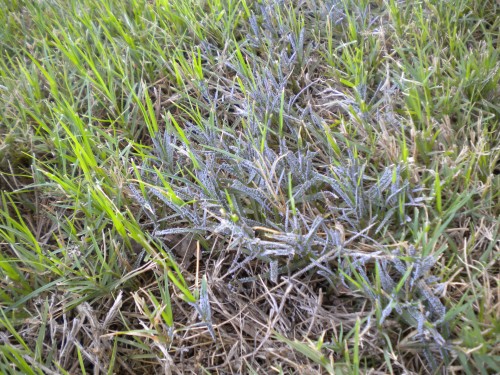
Slime Mold on Lawn: Harmless Black Dust That Washes Away
Black dust on shoes and brooms after walking on Bermuda grass in spring is likely slime mold spores. Cool nights, warm days, and moisture trigger these harmless fungi that decompose thatch. What It Is Slime molds (myxomy
Lubber Grasshopper (Georgia Thumper): Control Options for Large, Slow Pests
Eastern lubber grasshoppers (Romalea microptera) are large, flightless, and slow. They rarely reach damaging numbers, but if they do, treat early while nymphs are small. Chemical Control Cyfluthrin, malathion, or acephat
Sources for Butterflies and Ladybugs for Civic Releases
For butterfly releases, search online for live butterflies for release. For ladybugs and other beneficial insects, Susan Wainwright (The Bug Lady) maintains a list of insectaries at her website Where to Buy the Good Bugs
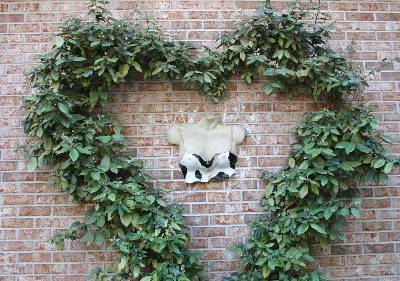
Espaliered Thorny Elaeagnus: Turning a Maintenance Nightmare into Garden Art
Thorny elaeagnus (Elaeagnus pungens) makes a fragrant but brutally thorny hedge. One gardener transformed a 25-plant hedge into a living heart sculpture using espalier techniques. How It Was Done Sketch the desired shap
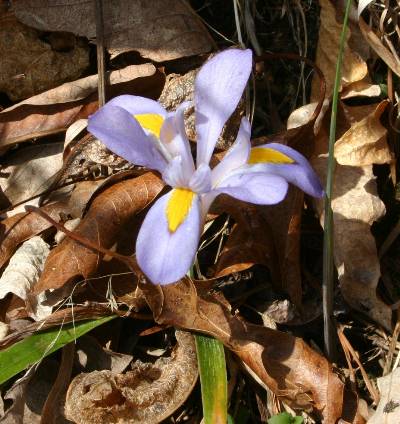
Vernal Iris vs. Crested Iris: Two Tiny Wild Irises of North Georgia
Two dwarf irises bloom in North Georgias mature hardwood forests: Vernal iris (Iris verna): flat sepal (lower petal). Crested iris (Iris cristata): raised crest on the sepal. Field Observation Vernal iris carpets trail
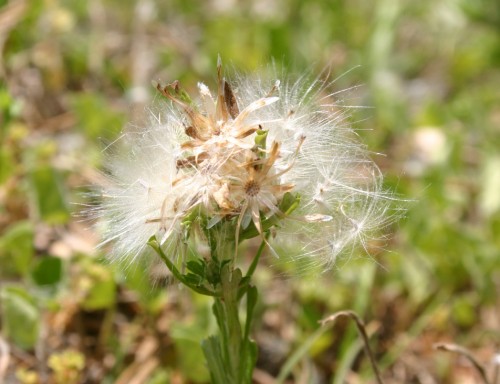
Trampweed (Facelis retusa): Winter Annual Weed Control in Lawns
Trampweed (Facelis retusa) is a low, white-fuzzy winter annual from South America now common across the Southeast. It gives lawns a snowy look in spring. Control Window Apply broadleaf herbicide (Weed-B-Gon®, Weed Beater
Dr. Allan Armitage's Signature Hat: Tilley Model T2
Horticulture professor and author Dr. Allan Armitage is rarely seen without his broad-brimmed hat. Its a Tilley hat, model T2, made by the Tilley Company of Canada—famous for durability, floatability, and lifetime guaran
Chuck-will's-widow: The Night Bird That Says Its Name
A loud, repetitive call around 9 p.m. in rural Georgia is almost certainly a chuck-wills-widow (Antrostomus carolinensis). The birds name mimics its song: chuck-wills-widow. Identification ~12 inches long, mottled brown
Copyright © www.100flowers.win Botanic Garden All Rights Reserved