Angular Leaf Spot: Bacterial Disease of Cucurbits & Strawberries
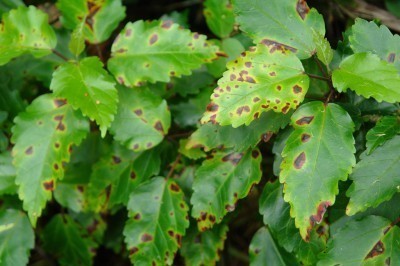
Angular leaf spot, caused by Pseudomonas syringae pv. lachrymans (cucurbits) and Xanthomonas fragariae (strawberries), creates distinctive angular, vein-limited lesions. Bacteria survive in seed and debris; spread by wa

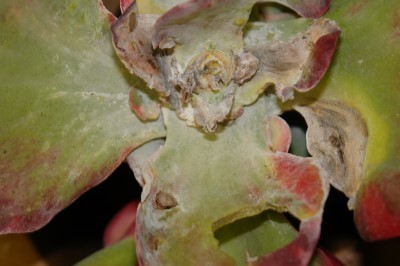
Leaf Browning in the Center: Crown Rot, Fungal Disease & Virus Causes
When a plants center turns brown—whether the crown of a rosette or the mid-vein of leaves—it signals serious trouble. The three main culprits are crown/root rot (cultural), fungal leaf diseases (environmental), and vira
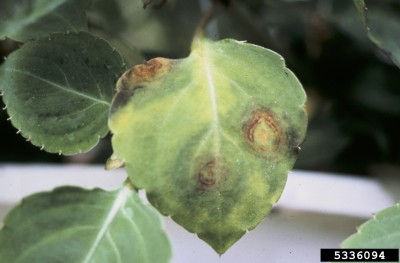
Impatiens Necrotic Spot Virus (INSV): Thrips Transmission, Symptoms & Containment
Impatiens Necrotic Spot Virus (INSV), a tospovirus, is one of the most destructive greenhouse and garden viruses. It infects 600+ ornamental and vegetable species, renders plants unmarketable, and spreads rapidly via we

Why New Plant Growth Dies: Diagnosing Tip Dieback & Root Damage
New growth—tender shoots, young leaves, flower buds—is the most sensitive indicator of plant health. When it wilts, blackens, or dies, the cause usually falls into three categories: boring insects, vascular disease, or r
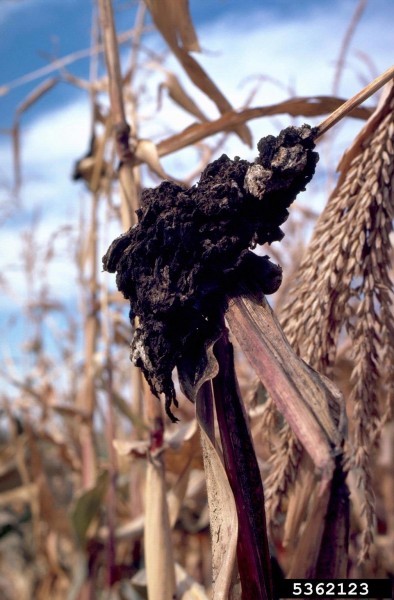
Black Smut Fungus in Turf & Ornamentals: Recognition & Environmental Management
Black smut, caused by various Ustilago and Sporisorium species, appears as black, powdery spore masses on grasses, small grains, onions, and herbaceous ornamentals. Infections can persist silently for 3–4 years before s
Viroid Diseases in Plants: Tiny Pathogens, Big Problems
Viroids are the smallest known infectious agents—naked, circular, single-stranded RNA molecules (246–401 nucleotides) with no protein coat. They replicate autonomously in host nuclei or chloroplasts, hijacking host enzym
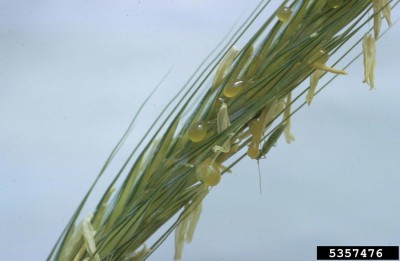
Ergot (Claviceps) in Grains & Grasses: Identification, Toxicity & Control
Ergot, caused by Claviceps species (primarily C. purpurea), replaces grain kernels with hard, purple-black sclerotia (ergot bodies) containing potent mycotoxins. Historically responsible for mass poisonings (St. Anthony
Cotton Root Rot (Phymatotrichopsis Root Rot): Recognition & Management in Southwest Soils
Cotton root rot, caused by Phymatotrichopsis omnivora (formerly Phymatotrichum omnivorum), is a devastating soil-borne fungus limited to alkaline, calcareous clay soils of the southwestern U.S. (Texas, Arizona, New Mexic
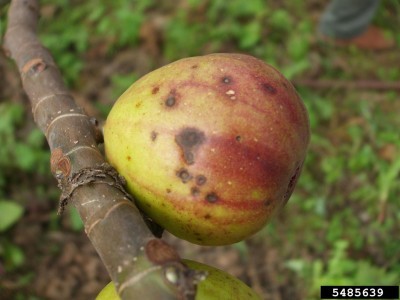
Cercospora Leaf Spot: Identification, Host Range & Fungicide Management
Cercospora leaf spot, caused by Pseudocercospora (formerly Cercospora) species, affects a wide range of crops—citrus, beans, beets, peppers, carrots, okra, roses, avocado, fig, coffee, watercress, and more. The fungus o
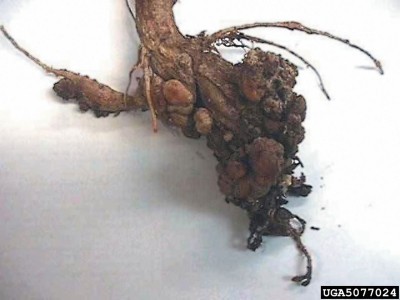
Clubroot in Crucifers: Symptoms, pH Management & Long-Term Control
Clubroot, caused by the soil-borne protist Plasmodiophora brassicae, devastates cruciferous crops—broccoli, cauliflower, cabbage, Brussels sprouts, kale, turnips, radishes, mustard. Resting spores survive 7–10+ years in
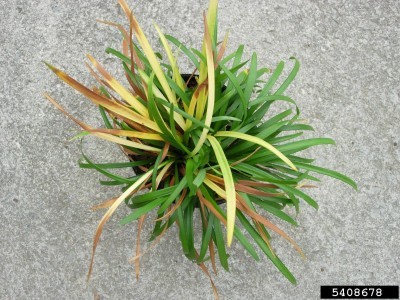
Fusarium Crown Rot: Identification, Soil Solarization & Long-Term Management
Fusarium crown rot, caused by several Fusarium species (notably F. oxysporum, F. solani), attacks a vast range of annuals and perennials. The fungus rots roots and crowns, leading to wilting, yellowing, stem lesions, an
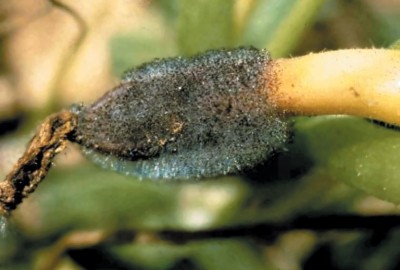
Choanephora Wet Rot (Blossom End Rot) in Cucurbits: Prevention-Focused Management
Choanephora wet rot, caused by Choanephora cucurbitarum, is a fast-moving floral/fruit disease of squash, cucumbers, pumpkins, and melons. It begins in flowers (powdery white residue), then rots the blossom end of devel
Cane Blight in Brambles: Symptoms, Cultural & Chemical Control
Cane blight, caused primarily by the fungus Leptosphaeria coniothyrium (also a bacterial form from Pseudomonas syringae pv.), attacks all Rubus species—black, purple, and red raspberries, blackberries, and roses. The pat
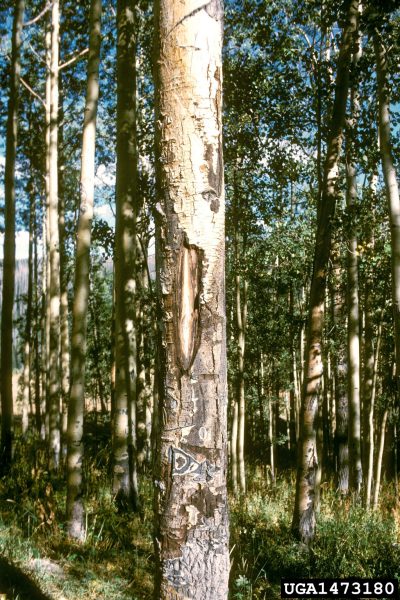
Cenangium Canker (Sooty Bark Canker): Recognition & Management for Conifers
Cenangium canker, also called sooty bark canker, is a slow-progressing fungal disease (Cenangium ferruginosum) affecting pine, spruce, fir, and aspen across western North America. It rarely kills outright but weakens tr
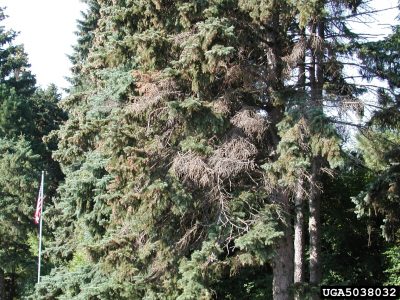
Cytospora Canker: Identification, Prevention & Control for Spruce, Fruit & Shade Trees
Cytospora canker, caused by the fungus Leucostoma kunzei (syn. Valsa kunzei), is a devastating disease of stressed conifers—especially Colorado blue spruce and Norway spruce—and stone fruits (peach, cherry, plum). It ki
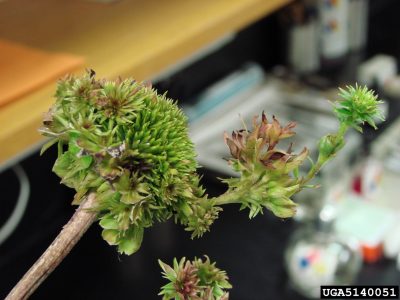
Phytoplasma Diseases in Plants: Symptoms, Transmission & Management
Phytoplasmas are wall-less bacteria that live in plant phloem and insect vectors, causing diseases collectively known as yellows across 200+ plant species. Understanding their unique biology and transmission cycle is ke
Aloe Plant Diseases: Identification, Treatment, and Prevention
About Aloe Plants Aloes are drought-adapted succulents with water-storing, spiked leaves, popular in xeriscapes across the South and West. Their gel and juice have long-standing topical medicinal uses. Despite their resi
Black Walnut Tree Diseases: Recognition and Management
About Black Walnut Black walnut (Juglans nigra) is prized for its premium timber and flavorful nuts. These majestic trees reach 70–150 feet tall, thrive across the U.S. and southern Canada, and can live 200 years. Despit
Common Cedar Tree Diseases: Identification and Control
Understanding Cedar Diversity The term cedar encompasses several distinct genera—including true cedars (Cedrus), junipers (Juniperus), and arborvitae (Thuja)—each with unique characteristics but overlapping disease susce
Fire Blight in Pear Trees: Identification, Management, and Prevention
Overview Fire blight, caused by the bacterium Erwinia amylovora, ranks among the most destructive diseases affecting pear and apple trees across United States growing regions. This aggressive pathogen attacks blossoms, f
Copyright © www.100flowers.win Botanic Garden All Rights Reserved