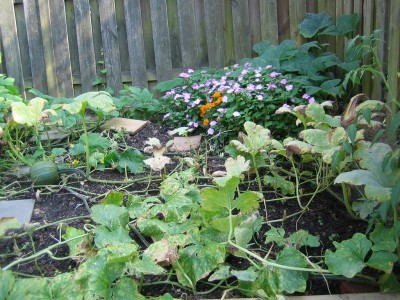
Downy Mildew (Peronospora/Plasmopara): Water-Dependent, Algae-Related Disease
Downy mildew, caused by oomycetes (Peronospora, Plasmopara, Pseudoperonospora)—water molds related to algae, not true fungi—requires leaf wetness and cool temps (spring). Fuzzy white/gray/brown/purple growth on leaf und

White Rust (Albugo) on Crucifers: Chalky Pustules, Rotation & Debris Management
White rust (staghead, white blister), caused by Albugo candida, infects crucifers (broccoli, cauliflower, kale, Brussels sprouts, cabbage). Chalky white spore masses (sori) form under leaf epidermis—cant be scraped off.

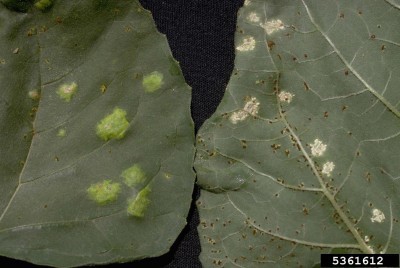
Downy Leaf Spot (White Leaf Spot) on Nut Trees: Sanitation Management
Downy leaf spot (white leaf spot), caused by Microstroma juglandis, attacks walnut, hickory, pecan, and butternut. Small (1/8–1/4), white, furry patches on leaf undersides; pale green spots above. Fused patches look like
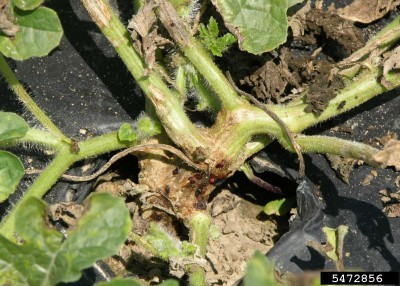
Gummy Stem Blight (Black Rot) in Cucurbits: Pre-Plant Prevention & Fungicide Use
Gummy stem blight, caused by Didymella bryoniae (sexual stage: Phoma cucurbitacearum), is a warm, wet-weather disease of melons, cucumbers, squash, and pumpkins. Black, gummy stem lesions and fruit rot (black rot) are h
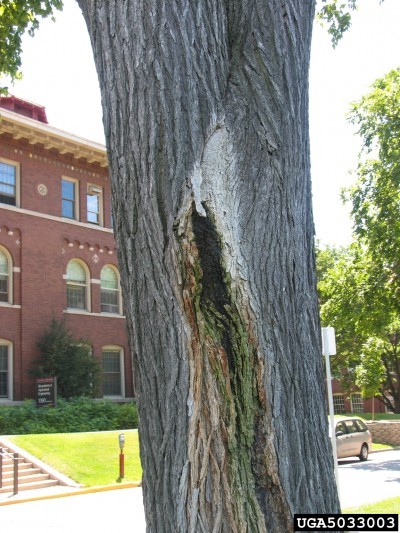
Alcoholic Flux (Frothy Flux) in Trees: Stress Disorder, Prevention & Monitoring
Alcoholic flux (frothy flux, foamy canker) is a stress-related condition—not a true infectious disease—affecting sweetgum, oak, elm, and willow after extreme heat/drought. Microorganisms ferment sap bleeding from bark c
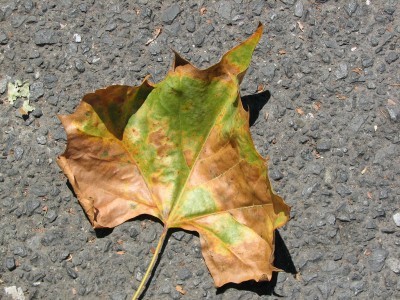
Anthracnose: Fungal Leaf & Twig Blight on Trees, Shrubs & Greenhouse Crops
Anthracnose, caused by Colletotrichum, Gloeosporium, Apiognomonia, and related fungi, attacks deciduous/evergreen trees, shrubs, fruits, vegetables, and greenhouse crops in cool, wet spring weather. Dark, sunken lesions
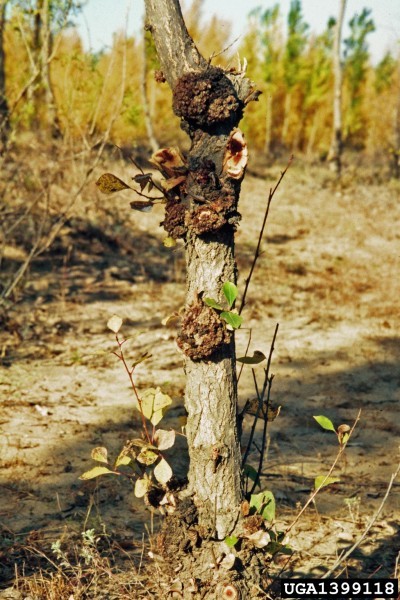
Crown Gall (Agrobacterium tumefaciens): Identification, Removal & Prevention
Crown gall, caused by Rhizobium radiobacter (formerly Agrobacterium tumefaciens), creates swollen, tan-to-black galls at the crown, roots, and lower stems of 600+ plant species. The bacterium injects its DNA into host c
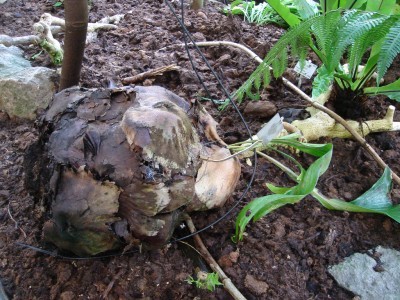
Root Rot in Garden Plants: Causes, Identification & Prevention
Root rot, caused by Pythium, Phytophthora, Rhizoctonia, or Fusarium fungi, attacks plants in wet soil—outdoors as well as in containers. It kills by destroying the root system, leaving plants unable to absorb water or n
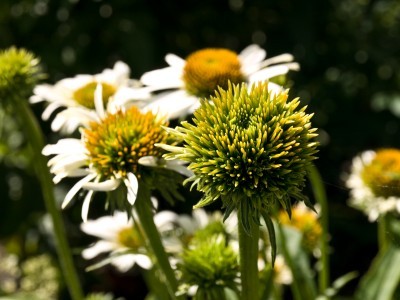
Aster Yellows (Phytoplasma): Leafhopper Transmission, Symptoms & Management
Aster yellows is not a virus but a phytoplasma disease (bacterium-virus hybrid) vectored by the aster leafhopper (Macrosteles fascifrons). It infects 200+ species across 40+ families—vegetables (carrot, potato, lettuce)
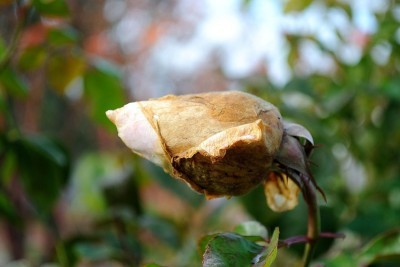
Botrytis Blight (Gray Mold): Sanitation, Cultural Control & Fungicide Options
Botrytis blight (gray mold), caused by Botrytis cinerea, attacks tender tissues of almost any ornamental or perennial during cool, wet, humid periods (spring/early summer). Its a master opportunist—invading dead flowers
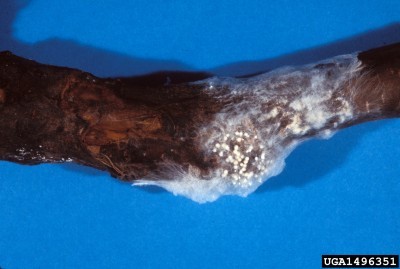
Southern Blight (Sclerotium rolfsii): Sanitation, Solarization & Professional Treatment
Southern blight (also called southern wilt, stem rot, root rot), caused by Sclerotium rolfsii, attacks vegetables and ornamentals at or below the soil line in warm, moist summer conditions. White fungal mycelia and tan,
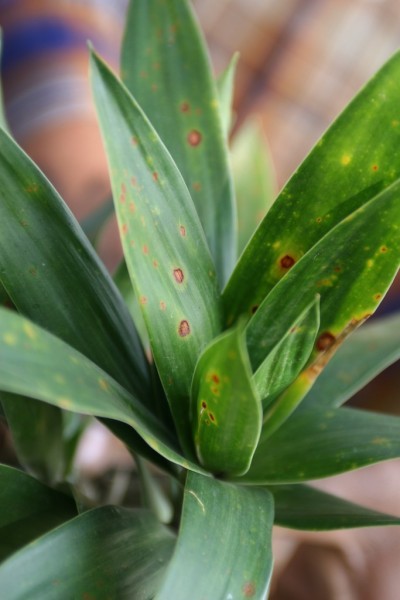
Bacterial Leaf Spot: Symptoms, Copper Management & Mechanical Control
Bacterial leaf spot, caused by Xanthomonas and Pseudomonas species, creates dark, necrotic lesions with yellow halos on lettuce, beets, eggplant, peppers, philodendrons, and many ornamentals. Bacteria splash in cool, we
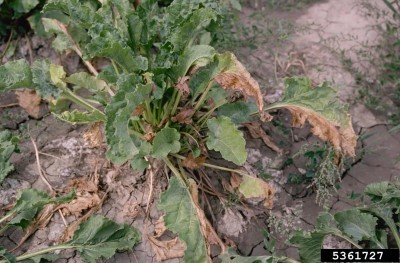
Fusarium Wilt: Soil-Borne Vascular Disease of Tomato, Pepper & Ornamentals
Fusarium wilt, caused by Fusarium oxysporum f. sp. lycopersici (tomato), F. o. f. sp. capsici (pepper), and other formae speciales, is a warm-soil vascular fungus. It enters young roots, blocks xylem, and causes progres
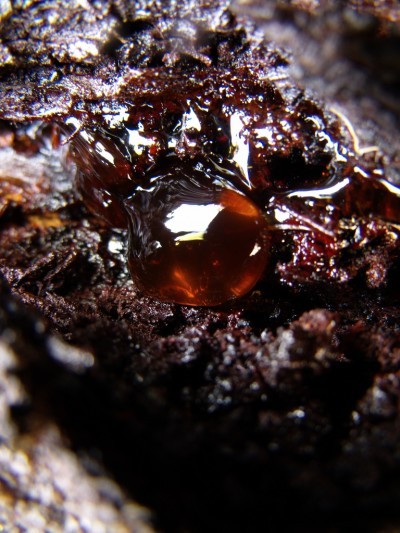
Cytospora Canker on Fruit & Shade Trees: Amber Sap, Pruning Control & Prevention
Cytospora canker, caused by Cytospora chrysosperma (syn. Leucostoma kunzei), enters trees through bark wounds—pruning cuts, mower/trimmer nicks, frost cracks, fire scars, cat scratches. It forms sunken cankers that ooze
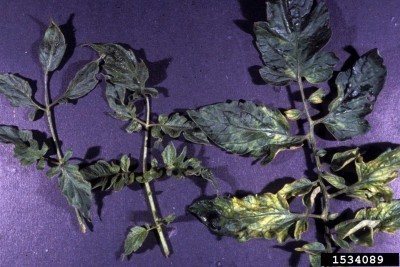
Tobacco Mosaic Virus (TMV): Mechanical Spread, Persistence & Sanitation Control
Tobacco Mosaic Virus (TMV), the first virus ever discovered (1892, identified as virus 1930), infects 150+ species—tomato, pepper, petunia, and many ornamentals. It spreads mechanically (sap on tools, hands, clothing),
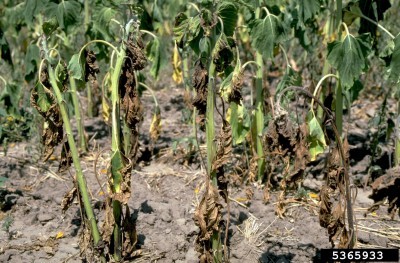
Verticillium Wilt: Diagnosis, Soil Solarization & Tree Care Strategies
Verticillium wilt, caused by Verticillium dahliae and V. albo-atrum, is a soil-borne vascular fungus with a host range of 400+ species (trees, shrubs, vegetables, flowers). It enters roots, colonizes xylem, and blocks w
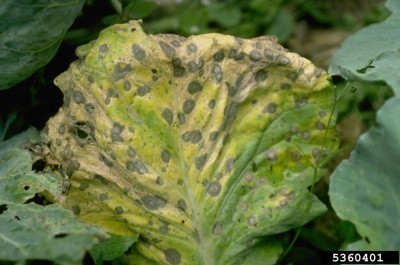
Alternaria Leaf Spot: Identification, Mulch Suppression & Fungicide Rotation
Alternaria leaf spot, caused by Alternaria species (A. brassicae, A. brassicicola on brassicas; A. solani on tomato/potato; A. alternata broad host), creates target-like lesions with concentric rings. Spores overwinter
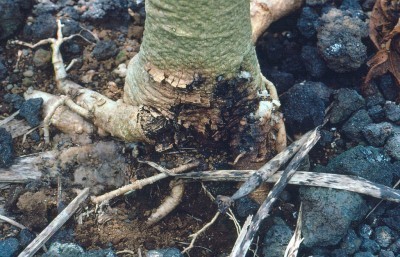
Phytophthora Root Rot: The Silent Killer of Trees & Shrubs
Phytophthora (Greek: plant destroyer) is an oomycete—once classified as fungus, now known as a water mold, more closely related to algae. Dozens of species attack trees, shrubs, and vegetables, especially in poorly drai

Can Plant Diseases Infect Humans? Bacteria, Viruses & Gardener Safety
Gardeners often wonder: can I catch something from my sick plants? The short answer: extremely rarely for bacteria, virtually never for viruses. But a few precautions are wise, especially for immunocompromised individua
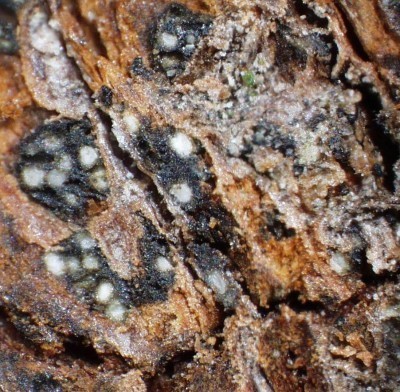
Botryosphaeria Canker: Stress-Induced Dieback in Woody Plants
Botryosphaeria canker (caused by Botryosphaeria spp., notably B. dothidea) is a classic stress pathogen—it only invades woody plants already weakened by drought, freeze injury, defoliation, improper pruning, or other di
Copyright © www.100flowers.win Botanic Garden All Rights Reserved