


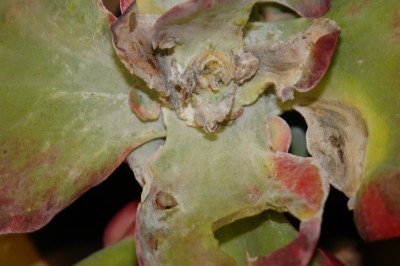
When a plant's center turns brown—whether the crown of a rosette or the mid-vein of leaves—it signals serious trouble. The three main culprits are crown/root rot (cultural), fungal leaf diseases (environmental), and viral infections (systemic). Correct diagnosis dictates whether the plant can be saved.
Center browning is never normal. Act fast: the difference between a saved plant and a lost collection is often 48 hours.
Tomato Leaf Spots: Flea Beetle Damage, Not Disease
Anthurium Blotchy Brown Spots: Environmental Injury, Not Disease
King Palm Rusty Spots: Likely Scale, Send Photos
Meyer Lemon Leaf Curling: Transplant Shock or Insect Damage?
Leaf Browning on Newly Planted Viburnum in Western Washington
Tomato Leaf Browning in Clay Soil: Causes and Organic Fixes
Fungal Leaf Spot (Bull's-Eye Spots): Prevention & Organic/Conventional Treatment
Cold Damage and Light Deficiency in Nepenthes: Recovery Steps for Indoor Growers
Brown Spots on Nepenthes ventricosa: Thrips and Rust Fungus
Why Fall Repotting Causes Brown Spots on Anthurium
Peace Lily and Aglaonema Brown Tips: Overwatering Fix
Brown Leaf Tips on Houseplants: Causes & Solutions
Gardenia Rapid Decline: Aphids, Scale, Drainage, and Emergency Care
Why Tree Leaves Turn Brown in Summer: Understanding Leaf Scorch
Copyright © www.100flowers.win Botanic Garden All Rights Reserved