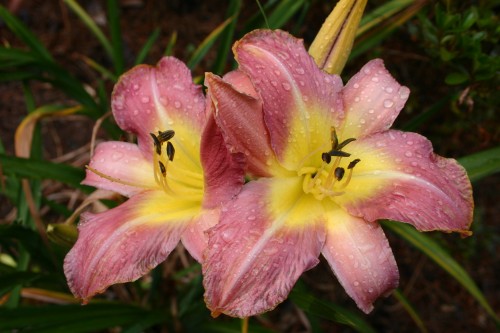


Leaf Spot Disease: Bacterial or Fungal Spots With Yellow Halos
Leaf Spot: Brown Spots With Yellow Trim From Feeding Pathogens Leaf spot disease (fungus or bacteria) leaves small brown spots with yellow halos where feeding occurs. Spots vary in shape, color, size. Control: better air

Insecticidal Soap: Potassium Fatty Acids for Pest Control
Insecticidal Soap: Contact Killer for Soft-Bodied Pests Insecticidal soap = potassium fatty acid soaps controlling pests/diseases. Sprayed like insecticides; works only on direct contact. Fatty acids disrupt insect cell
Ikebana: Japanese Art of Flower Arrangement
Ikebana: Arranging Living Materials in Water Ikebana (Japanese: 生け花) literally means “the arrangement of living materials in water.” An ancient, disciplined art form emphasizing line, balance, harmony, and minimalism. *F
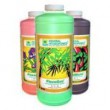
Hydroponics: Growing Plants in Water Without Soil
Hydroponics: Mineral Nutrient Solution Replaces Soil Hydroponics (a hydroculture type) grows plants in water + mineral nutrients, no soil. Roots in solution only or in perlite, gravel, coconut husk. Soil is just a nutrie
Humidity for Houseplants: Methods to Raise Moisture Levels
Humidity: Water Vapor in Air—Most Plants Prefer 50–70% Humidity (water vapor) is hard to control. Many plants want 50–70%; most tolerate 20–60% in homes. Thin leaves need more than thick. Low humidity → brown tips, dehyd
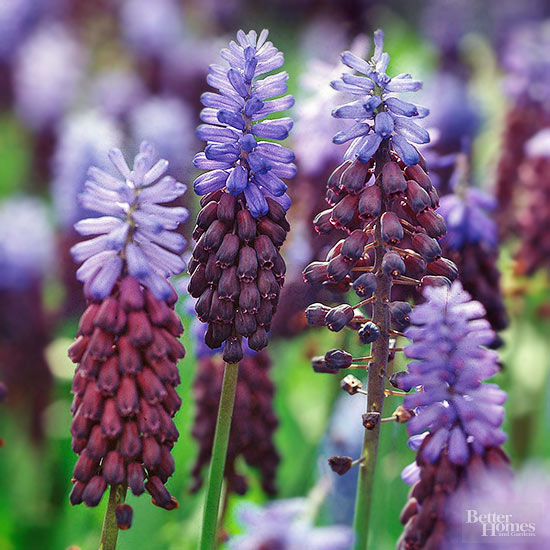
Houseplant Bulbs: Energy Storage for Seasonal Blooms
Bulbs: Underground Energy Packs for Forced Flowers A bulb holds tender shoots and stored energy for a new plant. Tulips, hyacinths, lilies propagate via bulbs. Size varies: pea to 15 lbs. Plants grow leaves/flowers, then
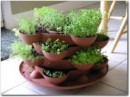
Herb Gardens: Culinary, Tea, and Potpourri Herbs Indoors
Indoor Herb Gardens: Annuals, Perennials, and Multi-Use Plants Herb gardens rising in popularity. Annuals: basil, dill, savory. Perennials: mint, rosemary, thyme, tarragon. Potpourri: lemon verbena, lavender. Teas: mint,
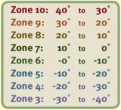
Hardiness Zones: USDA Map for Outdoor Plant Survival
USDA Hardiness Zones: Minimum Winter Temperatures Define Zones Hardiness zones are geographic areas defined by minimum winter temperatures. Zone 10 = 30–40°F (-1 to 4°C). Helps choose outdoor plants, but ignores summer h
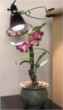
Grow Lights: Artificial Sun for Indoor Gardens
Grow Lights: Spectrum, Intensity, and Duration for Plant Growth Grow lights mimic sun spectrum when natural light is insufficient. Orchids, African violets bloom year-round; herbs, greens grow indoors. Red → flowers/vege
Green Solution: Non-Toxic Spray for Plant Pests
Green Solution: DIY Pest Spray With Household Ingredients Mix water, alcohol, biodegradable liquid soap, mineral oil. Test on 1–2 leaves first. Few pests: Q-tip alcohol. Widespread: warm water + biodegradable soap. Stubb
Gray Mold (Botrytis): Fuzzy Gray Spots on Leaves and Flowers
Identification Botrytis appears as round brown/gray spots that develop into fuzzy gray spore masses. Attacks leaves, flowers, stems, rhizomes. Prevention Remove dead/dying tissue promptly. Keep water off foliage. Improv
Fungus Gnats: Tiny Flies From Moist Soil
Fungus Gnats: Dark, Skinny, Jumping Nuisances Fungus gnats breed in moist potting soil, feed on root hairs, emerge as adults every 30 days. Best cure: let soil dry thoroughly—kills eggs/larvae. Yellow sticky cards (insid
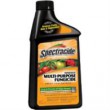
Fungicide: Chemical and Organic Options for Fungal Control
Fungicides: Kill or Inhibit Fungi and Spores Fungicides (0.08–0.5% sulfur liquid; 90% sulfur powder—very toxic) treat fungal diseases: black spot, botrytis (gray mold), crown/stem/root rot, leaf spot, powdery mildew, red
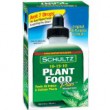
Fertilizer for Houseplants: When, What, and How Much
Plant Food: Only During Active Growth, Half Strength Fertilize only when plants are actively growing. Low-light/slow growers need very little. Too much burns roots, discolors leaves, stunts growth. Most prefer water-solu
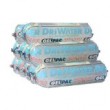
DriWater: Gel-Based Self-Watering for 30–40 Days
DriWater: Sausage-Like Gel Releases Moisture Slowly DriWater is a gel product that automatically moistens plants for 30–40 days (varies by temp, plant, soil, location). Open the sausage-like package, lay on moist soil—do
Crown, Stem, and Root Rot: Fungal Diseases From Wet Conditions
Rot Diseases: Mushy Stems, Black Roots, Wilting Despite Wet Soil Crown, stem, and root rots are fungal diseases triggered by humidity, wet leaves, soggy soil, poor air flow. Symptoms: mushy stems, brown/black spots (dead
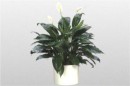
Clean Air Plants: NASA-Proven Toxin Removers for Healthier Homes
NASA Study: Houseplants Remove Benzene, Formaldehyde, Trichloroethylene NASA research confirmed houseplants absorb airborne toxins from carpets, paint, copiers, pressed wood, pesticides, upholstery, plastics, detergents,
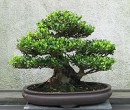
Bonsai: The Art of Miniature Trees in Containers
Bonsai: Tray Planting as Living Sculpture Bonsai (Japanese: “tray planting”) is an ancient Asian art of growing trees/plants in small containers, shaping them via pruning, root reduction, wiring, pinching, and repotting
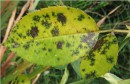
Black Spot Disease (Diplocarpon rosae): Fungal Leaf Spots With Fringed Edges
Black Spot: Rose Fungus That Defoliates From Bottom Up Black spot (Diplocarpon rosae) is a fungal disease moving from lowest leaves upward, causing yellowing, drop, and black spots with rounded, perforated edges. Severe
Aphids: Tiny Sap-Suckers That Multiply Explosively
Aphids: Pear-Shaped, Mostly Female, Live-Bearing Pests Aphids (plant lice) are tiny, soft-bodied, pear-shaped insects—black, yellow, green, or brown. Inconspicuous until colonies explode. Uniquely, mostly female; reprodu
Copyright © www.100flowers.win Botanic Garden All Rights Reserved