
Poisonous Houseplants: Hidden Dangers in Your Indoor Garden
The Beauty and the Risk Houseplants add life and beauty to our homes, but many common varieties—amaryllis, alocasia, dieffenbachia, croton, ivy, azalea, lily, philodendron—pose hidden dangers to children and pets. React


Houseplant Toxicity Levels: A Four-Tier Guide to Plant Poisoning Risks
Understanding the Levels Toxicity levels help you gauge potential danger. Remember: any plant can cause an allergic reaction. When in doubt, call Poison Control: 1-800-222-1222. Level 1 – Low Toxicity Mild irritation p
Poisonous Houseplants: Identifying Risks for Children and Pets
Why Plant Toxicity Matters Many popular houseplants contain compounds—oxalates, solanine, glycosides, alkaloids like lycorine—that can cause mild to severe reactions if ingested or touched. Symptoms range from oral irri
Poison Control Emergency Number: What to Do If a Child Eats a Plant
National Poison Control Hotline 1-800-222-1222 (American Association of Poison Control Centers) When to Call If a child (or pet) ingests any part of a questionable plant. If symptoms appear: vomiting, drooling, diffic
Propagating Houseplants from Cuttings: Stem, Leaf, Cane & Branch
General Principles Taking cuttings is the most versatile propagation method. Always use a sharp, sterile tool, select healthy tissue, apply rooting hormone with fungicide, and provide warmth, humidity, and indirect ligh
Propagating Houseplants from Offsets (Pups)
What Are Offsets? Offsets (also called pups) are baby plants that emerge from the base or roots of the mother plant. Common in succulents (aloe, haworthia, echeveria), bromeliads, and some ferns, they’re genetic clones
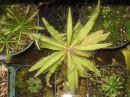
Propagating Houseplants from Plantlets (Spider Plant Babies)
What Are Plantlets? Plantlets are miniature, fully formed plants that grow on the ends of long, slender runners (stolons). Spider plants (Chlorophytum comosum) are the classic example, but strawberry begonia and some sa
Air Layering: Propagate Large Houseplants with Confidence
Why Air Layering? Air layering is the go-to method for large, woody houseplants with thick stems that resist rooting from cuttings—think rubber trees, scheffleras, dracaenas, and fiddle-leaf figs. The new plant develops
Five Ways to Propagate Houseplants: A Complete Guide
Overview of Propagation Methods Expanding your indoor garden is easy when you know the five main techniques. Each suits different plant types, but all share key success factors: a healthy parent plant, clean sharp tools
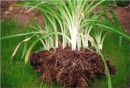
Plant Division: How to Propagate Clump-Forming Houseplants
When to Divide Division works best for plants that form dense root clumps—like peace lilies, spider plants, ferns, and many perennials. The ideal time is early spring, just as new growth begins, or when the plant become
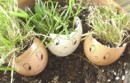
Fun Plant Projects for Kids: Hands-On Learning About Growth
1. Color-Changing Celery or Daisies (Transpiration Demo) Fill a jar with water and add food coloring. Place a celery stalk or white daisy in the jar. As the plant drinks, colored water travels up the stem, tinting the l
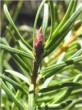
Understanding Plant Needles: A Quick Guide
What Are Plant Needles? In botany, “needles” refer to the slender, narrow, blade-less leaves typical of conifers like pines, spruces, and firs. Unlike broad leaves, needles have a thick cuticle, sunken stomata, and redu
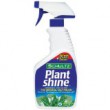
Plant Cleaners: Keep Your Houseplant Leaves Shiny and Healthy
Why Clean Plant Leaves? Dust, mineral deposits, and water spots block light absorption and can harbor pests. Commercial plant cleaners remove grime and leave a natural shine without clogging stomata (leaf pores). How t
DIY Pepper Spray: A Natural Insect Repellent for Houseplants
How Pepper Spray Works The heat in peppers comes from capsaicin, a compound that irritates and repels many soft-bodied insects. Found in chili peppers, cayenne, paprika, and even some herbs like dill, capsaicin makes an

Neem Oil: A Natural Solution for Houseplant Pests and Diseases
What Is Neem Oil? Neem oil is a natural, plant-based oil extracted from the seeds and fruits of the neem tree (Azadirachta indica). It has been used for centuries in traditional agriculture and medicine, and today it’s
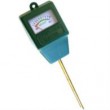
Moisture Meter: Tool to Prevent Over/Under Watering
Moisture Meter: Probe Measures Soil Wetness 1–10 Scale Moisture meters (1–10 scale, 1 = driest) help avoid over/under-watering. Succulents need very dry; majesty palm needs slightly moist. Probe must reach near pot botto
Mealybugs: Cottony Sap-Suckers That Excrete Honeydew
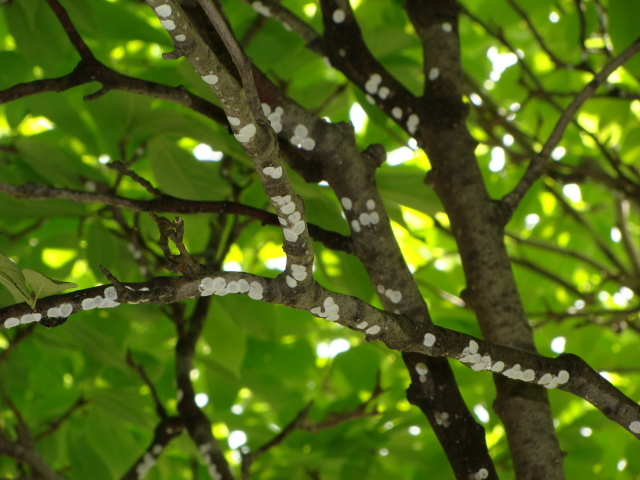
Mealybugs: Tiny Cotton-Looking Insects That Ruin Plants Mealybugs look like tiny cotton pieces. Young ones crawl—best treatment time. Females lay 500+ eggs in 1–2 weeks. Suck sap from new growth → spots, yellow leaves, d

Medium Light for Houseplants: 150–300 Foot-Candles
Medium Light: 150–300 fc, Best of Both Worlds Medium light = 150–300 foot-candles. Low-light plants grow better here. Placement: directly at north window, 1–3 ft east, 2–5 ft west, 3–10 ft south. Both low and medium ligh
Low Light for Houseplants: 50–150 Foot-Candles, Northern Exposure
Low Light: 50–150 fc, Adaptable Plants Only Low light = 50–150 foot-candles. Plants here survive but grow faster in medium/high light. Variegation fades. Need less water/fertilizer. Placement: 2–3 ft from north window, 3
High Light for Houseplants: Bright Indirect, Not Direct Sun
300 Foot-Candles, East/West/South Windows 300 foot-candles.
Copyright © www.100flowers.win Botanic Garden All Rights Reserved