Keeping Animal Pests Out of Your Garden: Humane & Effective Strategies
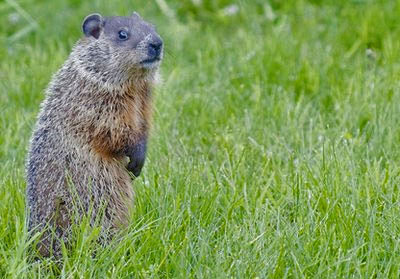
As a lifelong gardener and former founding employee of Gardeners Supply, Ive spent countless hours coaxing vegetables, flowers, and berries from the soil around my Richmond, Vermont home. My gardens—ranging from a large

Troubleshooting Tomato Problems: Diagnose and Treat Common Issues
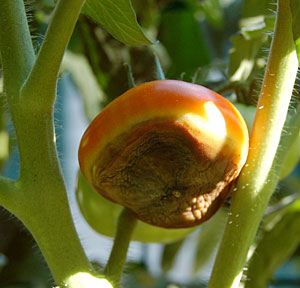
Whats Wrong With My Tomatoes? Fresh, vine-ripened tomatoes are a summer joy, but diseases, pests, and environmental stresses can derail your harvest. The best defense: start with healthy plants in full sun, keep soil eve
Work With Nature to Minimize Pest and Disease Problems
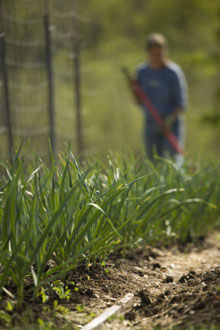
An Organic Approach: Safer and More Effective Insect pests and plant pathogens challenge every gardener. The urge to reach for chemical weapons is strong, but they kill beneficial organisms, expose you and the environmen
Protect Your Garden from Deer: A Four-Strategy Defense Plan
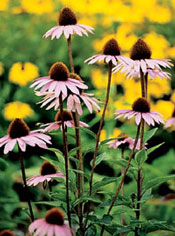
Deer-Resistant Plants No plant is truly deer-proof, but these are good deer-resistant choices: Coneflower Shrubs and Trees Lilac Forsythia Spirea Potentilla Paper birch American holly Leucothoe Blue s

Outwitting Squirrels: Smart Strategies for Bird Feeder Peace
A Hot Idea from a Fellow Gardener Sharen in Elyria, Ohio, found a clever way to keep squirrels out of suet: hot pepper suet. The squirrels were predictable, returning daily. Even dogs failed to deter them. She read squir
Mouse-Proofing Your Home: Keep Rodents Out for Good
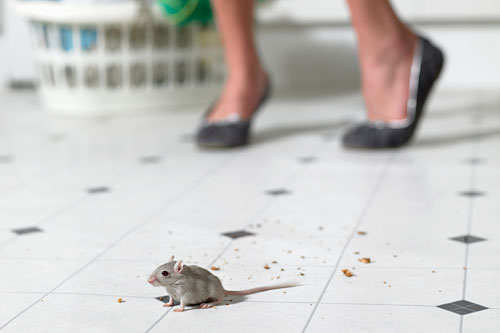
Your House Shouldnt Be Their Home Mice seek cozy indoor spots when autumn temperatures drop. They dont know theyre unwelcome—they make themselves at home behind water heaters, under sinks, in garages, attics, closets, cr

How to Control Japanese Beetles: Organic Strategies for a Pesky Pest
Understanding the Enemy Japanese beetles (Popillia japonica) are invasive pests that skeletonize leaves, devour flowers, and damage fruits of over 300 plant species. Adults emerge in early summer, feed for 4–6 weeks, and

All About Yellow Jackets, Bees, and Their Kin: Take the Sting Out of Summer
Know Your Summer Flyers Youre enjoying a late-summer picnic when yellow-and-black insects swarm. Bees! people shout. But these uninvited guests are often yellow jackets—a type of ground-nesting wasp. More aggressive than
Garden Pest and Disease Directory: Identify Problems Naturally
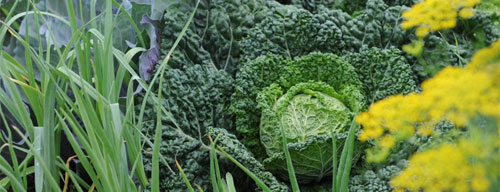
Identify the Problem, Then Choose an Earth-Friendly Solution The first step in reducing—or even eradicating—garden damage is accurate identification. Check the list below for the most common causes of garden problems. Bu
Root Rot in Houseplants: Identification, Treatment & Prevention
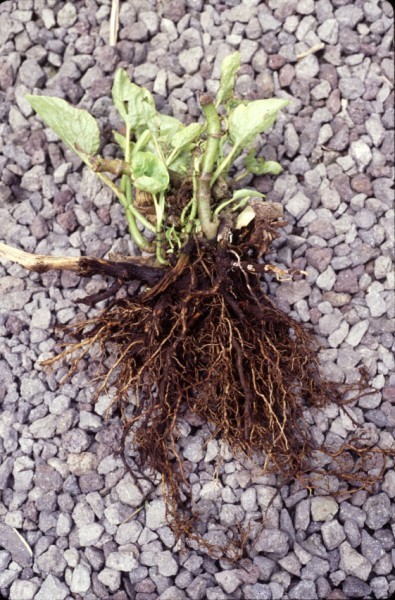
When a houseplant declines despite corrected watering — yellowing leaves, wilting, overall collapse — root rot is often the culprit. This condition stems from either prolonged waterlogging (which suffocates roots) or opp
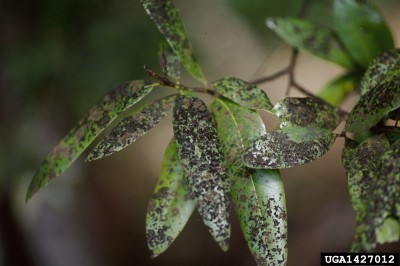
Sooty Mold on Plants: Causes, Identification & Effective Treatment
If your plant looks like its been dusted with black soot, youre likely dealing with sooty mold — a fungal growth that, while unsightly, signals an underlying pest problem rather than a direct plant disease. What Is Sooty
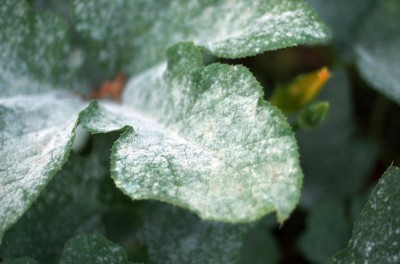
Powdery Mildew on Plants: Prevention, Treatment & Control Strategies
Powdery mildew is a nearly universal fungal nuisance that eventually finds its way into almost every garden, regardless of climate or care level. While a complete cure is elusive, combining smart cultural practices with
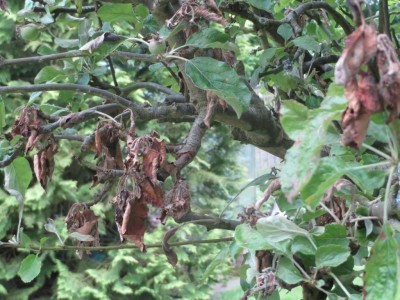
Fire Blight: Symptoms, Treatment & Prevention for Trees and Shrubs
Fire blight, caused by the bacterium Erwinia amylovora, is a destructive disease that strikes trees and shrubs in orchards, nurseries, and home landscapes alike. No planting is entirely immune once this pathogen takes ho
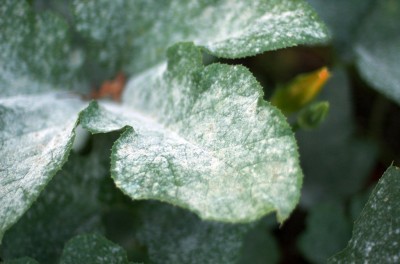
Powdery Mildew: Prevention, Hydrogen Peroxide Remedy & Host-Specific Strains
Powdery mildew, a true fungus, coats leaves/flowers/fruit with white/gray powder in high humidity. Host-specific strains: rose mildew wont infect lilacs. Prevention: healthy plants, prune deadwood, space for airflow, av
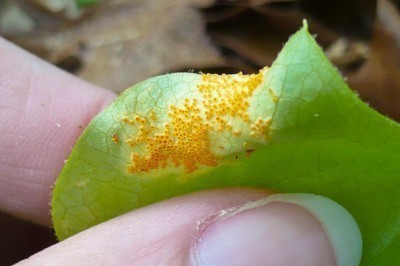
Plant Rust Disease: Host-Specific Fungi, Dry Foliage Prevention & Fungicide Treatment
Plant rust, a large group of host-specific fungi, appears as rust-colored flecks → bumps on leaf undersides. Each rust species attacks only one or a few related plants—rose rust wont spread to lilacs. Prevention: avoid
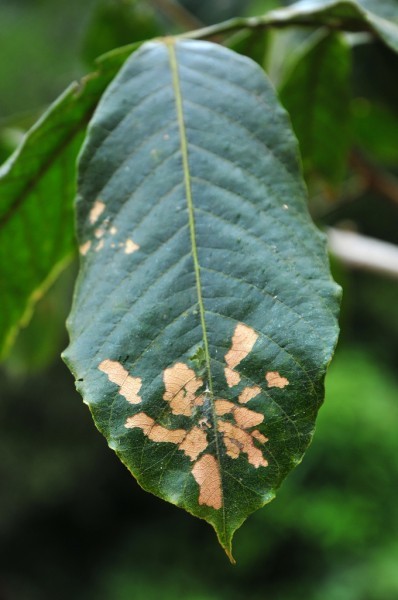
Fungal Leaf Spot (Bull's-Eye Spots): Prevention & Organic/Conventional Treatment
Fungal leaf spot—those classic brown bulls-eye circles—occurs when spores land on warm, wet leaf surfaces. Sporulation expands spots until they merge into blotches; leaf browns, drops, spores wait in soil for next host.
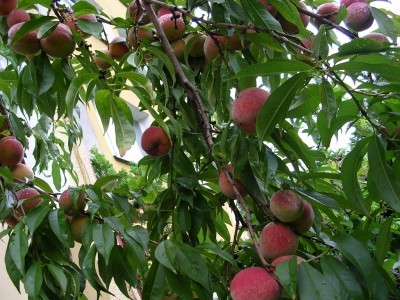
Shot Hole Disease (Coryneum Blight) on Stone Fruit: Sanitation & Dormant Sprays
Shot hole disease (Coryneum blight), caused by Wilsonomyces carpophilus, affects peach, nectarine, apricot, plum, almond, and flowering cherries. Reddish-purple spots (¼) on buds/leaves → brown centers fall out = gunsho
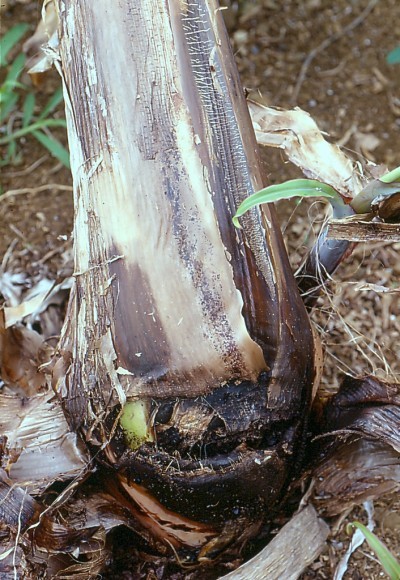
Bacterial Soft Rot (Erwinia carotovora): Prevention in Fleshy Vegetables
Bacterial soft rot, caused by Erwinia carotovora (ubiquitous in soil/water), devastates fleshy vegetables—potato, carrot, onion, tomato, cucumber. Soft, wet, cream-tan rot with dark border; foul odor as secondary invade
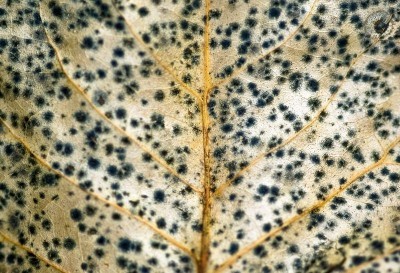
Black Spot (Diplocarpon rosae): Not Just Roses—Identification & Multi-Pronged Control
Black spot, caused by Diplocarpon rosae85°F. Two-pronged attack: fungicides + cultural prevention. Fungicide Options Commercial: many labeled (tebuconazole, myclobutanil, triforine, chlorothalonil). Organic: neem oil
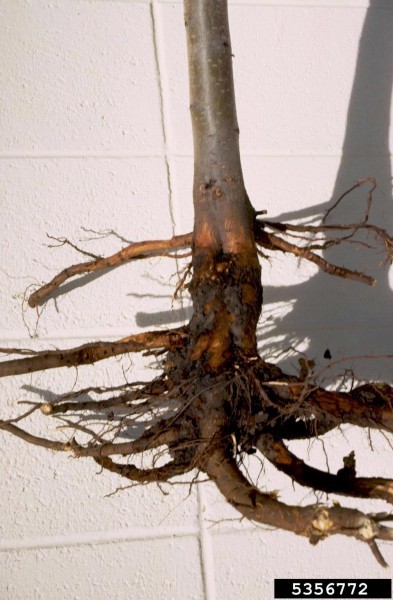
Crown Rot (Soil-Borne Fungus): Identification, Rescue Attempt & Prevention
Crown rot, caused by soil-borne fungi (Phytophthora, Pythium, Rhizoctonia, Fusarium, Sclerotium), attacks at the soil line in wet, heavy soils. Dry rotting at crown, wilting, yellow/red/purple foliage, stunting, dark ba
Copyright © www.100flowers.win Botanic Garden All Rights Reserved