

How to Control Pest and Disease Problems in Your Garden
Overview Home gardeners want pest-free yards. Diseases and infestations attack trees, vegetables, shrubs, flowers—but proactive steps protect your plants. Integrated Management Steps Step 1: Non-Chemical First Predatory

Disease Control for Grape Vines: Prevention and Management Strategies
Overview Grape vines—grown for fruit (jellies, wines, sweets) and ornamental value—are robust but disease-prone, requiring regular maintenance. Prevention Starts at Planting Plant certified disease-free, nonrooted cutti
Ganoderma Disease: Identification, Effects, and Control
Ganoderma Disease Overview Ganoderma disease (Ganoderma zonatum), also called ganoderma butt rot, is a fungal infection affecting trees worldwide. Identification Tree fails to thrive. Brackets (fungal fruiting bodies)
Chestnut Tree Diseases: Blight, Root Rot, Leaf Issues, and Prevention
Overview Chestnut trees (Castanea)—deciduous, beech family (Fagaceae). Four major species: American, European, Japanese, Chinese. Simple ovate leaves, spring/summer flowers, edible nut clusters. Susceptible to several di
Rhododendron Diseases: Common Problems and Prevention
Rhododendron in bloom Overview Rhododendrons (Rhododendron)—flowering shrubs in the heath family (Ericaceae). Native to North America, Asia, Europe, Australia. Generally hardy but susceptible to a few diseases. Common
Queen Palm Tree Diseases: Identification and Management
Overview Queen Palm (Syagrus romanzoffiana)—stately single trunk, drooping canopy. Bright orange ornamental dates against green fronds in winter. 25-50 tall, 15-25 wide. Popular in commercial areas and streetscapes in Zo
Yellow Sticky Cards: Your Early-Warning System for Flying Plant Pests
How They Work Bright yellow cards coated with sticky adhesive attract and trap flying pests: thrips, whiteflies, winged aphids, fungus gnats, and shore flies. They’re monitoring tools, not standalone cures. Placement S
Whiteflies on Houseplants: Lifecycle & Management
Know the Enemy Tiny, white, moth-like insects (1–2 mm) that flutter when disturbed. Adults lay eggs on leaf tops, but the real damage is done by immobile nymphs feeding on undersides, causing yellowing, weakening, and h
Thrips on Houseplants: Damage, Detection & Control
What Are Thrips? Tiny, slender, winged brown insects (1–2 mm) that rasp leaf, flower, and bud surfaces, leaving silvery patches and black fecal dots. They weaken growth, distort blooms, and transmit viruses. Integrated

Superthrive: Vitamin & Hormone Supplement for Plant Health
What Is Superthrive? A concentrated blend of vitamins and plant hormones (not a fertilizer) that stimulates root development and overall vigor. Used alongside regular fertilizer, it helps plants recover from stress—tran
Succulent Plants: Care Guide for Water-Storing Wonders
What Makes a Succulent? Native to arid regions, succulents store water in thickened leaves, stems, or roots—giving them a swollen, “fat” appearance. This adaptation lets them survive long droughts. Basic Care Light: B
Springtails in Houseplant Soil: Nuisance, Not Nightmare
What Are Springtails? Tiny (1/16 inch), slender, white or gray insects that jump when disturbed. They live in damp, peat-rich potting soil, feeding on decaying roots and fungi. You’ll see them after watering or digging—
Spider Mites on Houseplants: Detection & Control
Tiny but Destructive Spider mites (about 1 mm) are arachnids, not insects. The two-spotted spider mite is most common indoors. They pierce leaf cells and suck contents, causing stippling, bronzing, and leaf drop. Fine w
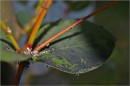
Sooty Mold on Houseplants: Cause, Effect & Cure
What Is Sooty Mold? A black, powdery fungus that grows on honeydew—the sticky waste excreted by sap-sucking insects like aphids, scale, whiteflies, and mealybugs. It doesn’t infect plant tissue directly but blocks light

Scale Insects on Houseplants: Identification & Effective Treatment
Know Your Enemy Soft brown scale appears as small, oval, brown bumps on stems and leaves—often in lines. They suck plant sap, excreting sticky honeydew that attracts black sooty mold. Favorites: ficus, ivy, spider plant
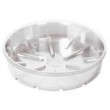
Choosing and Using Saucers for Houseplants
Why Saucers Matter Deep saucers catch excess water, protecting floors, carpets, and furniture from moisture damage. They also prevent decorative pots from deteriorating due to standing water. Placement Options Inside
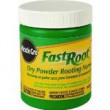
Rooting Hormone: Boost Your Propagation Success Rate
What Is Rooting Hormone? A powder, gel, or liquid containing synthetic auxins (like IBA or NAA) that stimulate root formation on cuttings. Many formulations also include a fungicide to prevent rot at the cut site. How
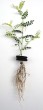
Root Rot in Houseplants: Causes, Prevention & Last-Resort Recovery
Houseplant Root Rot What Is Root Rot? A condition caused by overwatering and poor drainage. Excess water displaces oxygen in the soil, suffocating roots and allowing decay fungi to take hold. Severe cases are often fat
Red Blotch (Leaf Blotch) on Houseplants: A Cosmetic Fungal Issue
What Is Red Blotch? Also called leaf blotch, measles, or red spot, this fungal infection causes small red spots to large brownish splotches on leaves, stems, and flowers. It looks alarming but rarely harms overall plant
Powdery Mildew on Houseplants: Identification, Prevention & Treatment
What Is Powdery Mildew? A fungal disease caused by several species, appearing as a grayish-white powdery coating on leaves, stems, and flowers. It thrives in high humidity with poor air circulation. Common targets: grap
Copyright © www.100flowers.win Botanic Garden All Rights Reserved