


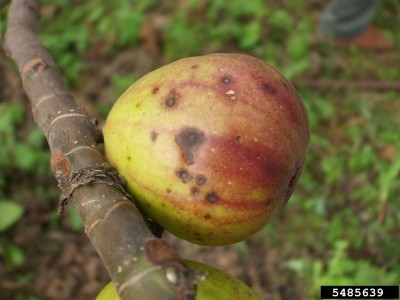
Cercospora leaf spot, caused by Pseudocercospora (formerly Cercospora) species, affects a wide range of crops—citrus, beans, beets, peppers, carrots, okra, roses, avocado, fig, coffee, watercress, and more. The fungus overwinters in infected debris; wind and rain splash spread conidia in warm, wet weather. Management combines sanitation, rotation, and timely fungicides.
Cercospora rarely kills outright but ruins marketable yield and quality. Clean fields, resistant genetics, and smart fungicide rotation keep it below economic thresholds.
Choosing the Perfect Spot for Your Fruit Tree
Essential Cooking Accessories for the Serious Home Chef: Weber Gear & Pro Tools
Quality Topsoil & Turf in Surrey: Royce Turf's Supply & Expertise
What Is a Swale? Building Water-Saving Landscape Features
Leaf Identification Guide: Types, Arrangements, and Visual Cues
Wild Harvesting Risks: Why Collecting Plants from Nature Is Discouraged
Guttation in Plants: Why Leaves Drip Water and What It Means
Composting Leaves: The Complete Guide to Making Leaf Mold & Leaf Compost
Growing Fruit Trees as Bonsai: Container, Care, and Best Varieties
Tillandsia Ionantha (Sky Plant) Care & Propagation
Banana Leaf Fig (Ficus maclellandii) Care Guide
Composting Leaves: Create Rich Garden Soil from Fall Foliage
Earthworms in Soil: Benefits of Garden Worms and How to Encourage Them
Copyright © www.100flowers.win Botanic Garden All Rights Reserved