


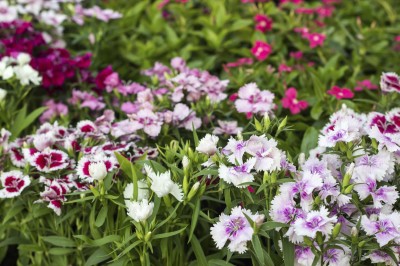
Reseeding (self-seeding) plants offer free, renewable garden additions—but without management, they can become unruly. These annuals, biennials, and even some vegetables drop viable seeds that germinate the next season, often in unexpected places.
Flowers: Poppies, Bachelor’s Buttons, Coreopsis, Forget-Me-Not, Zinnias, Sweet William, etc.
Vegetables: Tomatoes, squash, cucumbers, melons (may not grow true to type).
Biennials (seed in year two): Carrots, beets, parsley, broccoli.
Herbs: Chamomile, cilantro, dill.
Embrace the serendipity—reseeding plants add charm and reduce replanting costs. With a little guidance, they enhance rather than overwhelm.
How to Grow Watermelons: From Seed to Sweet Harvest
Maintain Indoor Plants: Pruning & Repotting for Health & Beauty
10 Pro Tips for Keeping Indoor Plants Thriving
Planting Tomatoes in the Garden: Techniques for Strong Roots and Heavy Yields
Planting Ranunculus Tubers: Soaking, Spacing, and Soil Prep
How to Plant Aquarium Plants in a Fish Tank
How to Plant Pickling Cucumber Plants for a Great Harvest
How to Plant Live Aquarium Plants: Rooted and Bunch Types
What Makes a Plant Truly Organic?
Planting Daylilies: A Complete Guide for Perennial Garden Success
How to Plant Banana Pepper Plants: A Simple Guide
How to Plant Aquarium Plants: Creating a Healthy Underwater Garden
Copyright © www.100flowers.win Botanic Garden All Rights Reserved