
Diagnosing Poor Plant Health: A Systematic Key for Growers
Diseases are only one cause of poor plant growth. Nutrient imbalances, environmental stresses, chemical injuries, and cultural errors mimic pathogen symptoms. This diagnostic key helps you systematically evaluate all pos

Damping-Off: Preventing Seed & Seedling Losses in the Greenhouse
Damping-off—the rotting of seeds pre-germination or death of newly emerged seedlings—is caused primarily by Pythium, with Fusarium and Rhizoctonia also involved. These fungi are ubiquitous in soil and cannot be eliminate
Cylindrocladium Diseases: Root Rot, Canker & Leaf Spot on Woody Ornamentals
Cylindrocladium species attack over 100 woody ornamentals—azaleas, rhododendrons, camellias, junipers, white pine, holly—and many foliage plants (asparagus ferns, palms, Spathiphyllum). Depending on host and species, the
Cucumber Mosaic Virus (CMV): Wide Host Range, No Cure
Cucumber mosaic virus (CMV) infects a vast number of woody and herbaceous species. Composed of RNA in a protein coat, it hijacks plant cells to replicate, disrupting normal function. CMV multiplies only in living cells a
Botrytis (Gray Mold): The Ubiquitous Greenhouse Pathogen
Botrytis is found virtually everywhere plants are grown. Fast-growing, nutritionally versatile, greenhouse-adapted, and broadly pathogenic—it causes Botrytis blight or gray mold on countless crops. The Fungus Appears fi
Black Root Rot (Thielaviopsis): Diagnosis & Management in Ornamentals
Thielaviopsis basicola is a soil-inhabiting fungus causing root rot and branch dieback on a wide range of woody and herbaceous plants: holly, begonia, geranium, poinsettia, cyclamen, gerbera, pansy, and more. Conditions
Bacterial Wilt (Ralstonia solanacearum): A Global Threat to Ornamentals & Crops
Ralstonia solanacearum attacks nearly 200 plant species across 33 families—one of the broadest host ranges of any plant-pathogenic bacterium. Known as bacterial wilt, Granville wilt (tobacco), Moko disease (banana), or s
Bacterial Diseases of Ornamentals: Identification, Prevention & Management
Bacteria are microscopic, single-celled organisms with a cell wall but no true nucleus—their circular DNA floats freely in the cytoplasm. While most environmental bacteria are beneficial, several species cause devastatin
Nursery Disease Risk Assessment: Field & Container Production Guide
Nursery operations—whether container or field-grown—face distinct but overlapping disease risks. This comprehensive assessment guide covers 14 critical areas, with special notes for field production, helping you build a
Greenhouse Disease Risk Assessment: A Complete Grower's Guide
Preventing disease outbreaks in greenhouse production begins with a systematic assessment of every practice, surface, and input that could harbor or spread pathogens. This comprehensive guide walks you through 16 critica
Yellow Jacket FAQs: Identification, Stings, Nests & Trapping
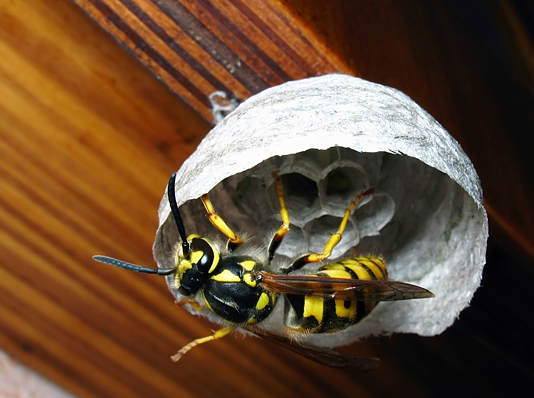
A German yellow jacket queen (Vespula germanica) starting a nest. Photo: Rescue Pest Control. Often mistaken for bees, yellow jackets are far more aggressive; most bee stings are actually yellow jacket stings. Here are
How to Attract Bug-Eating Birds for Natural Pest Control
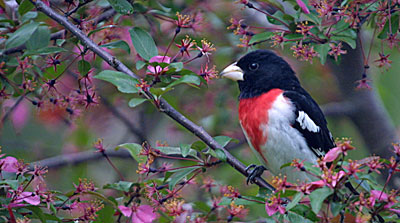
Rose-breasted grosbeaks devour caterpillars and beetles. Bluebirds eat grasshoppers, crickets, beetles, larvae, and moths. Beyond their beauty and song, birds are powerful allies in the garden. Most backyard birds ea

Protect Yourself from Summer Insect Pests
Summer brings warmth, blooms—and a host of biting, stinging, and plant-damaging insects. Whether youre gardening, hiking, or simply enjoying the backyard, a few smart strategies can minimize encounters with mosquitoes, t

Protecting Berries from Birds: Effective Exclusion & Scare Tactics
My Vermont backyard has transformed from lawn into a diverse landscape of trees, shrubs, perennials, annuals, and stonework. Beyond my work at Gardeners Supply, I maintain dozens of gardens through Church Hill Landscape

Diagnosing Plant Problems: A Gardener's Detective Guide
With over 20 years of gardening and writing experience—including work as a landscaper, organic farmer, plant pathology lab technician, and cut-flower business owner—I’ve learned that gardening is a never-ending process
How to Recognize Plant Stress: Environmental Clues Your Plants Are Sending
Stress vs. Pests: Know the Difference Sometimes plants look sick or under insect attack, but symptoms are actually caused by environmental stress. A healthy, vigorous plant with no stress signs has a better chance of shr

How to Prevent Late Blight on Tomatoes: A Grower's Guide
Late Blight: Not Like Other Tomato Diseases Late blight strikes tomatoes and potatoes, quickly ruining entire crops and providing infection sources for other gardens and farms via wind-dispersed spores. Unlike other toma

Plant Diseases 101: What to Do When Your Plant Looks Sick
Recognize the Signs of Plant Disease Blight. Rust. Fusarium wilt. Botrytis. Smut. Scab. The names sound ominous, and so are the consequences—they can appear suddenly and severely weaken or kill a plant within days. Disea

Animal Fencing Techniques: Build the Right Barrier for Every Pest
Fencing: The Only Sure-Fire Exclusion Fencing is the only guaranteed way to keep wild and domestic animals out of a prized garden. Though expensive for large animals like deer, it may be the only way to prevent costly da
Animal Trapping Techniques: Safe, Effective, and Humane
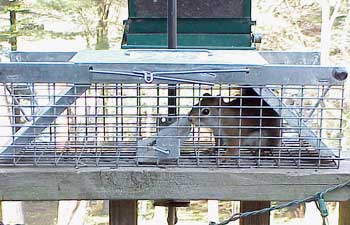
When to Trap If repelling, excluding, and scaring fail, trapping can remove a specific pest animal. But trapping isnt useful against large populations long-term—combine with exclusion, fencing, or habitat alteration. Bes
Copyright © www.100flowers.win Botanic Garden All Rights Reserved