


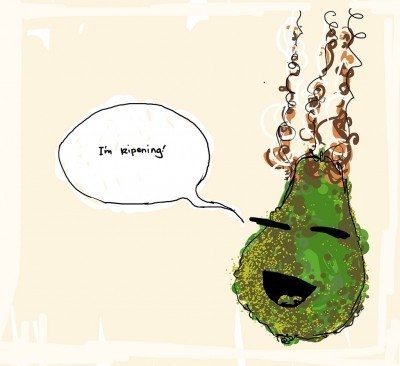
Ever wonder why a ripe banana makes nearby avocados soften overnight? The culprit is ethylene — a natural, odorless, invisible hydrocarbon gas that acts as a plant hormone. It regulates growth, development, and ripening in many fruits and vegetables. Understanding ethylene lets you harness it for faster ripening or prevent premature spoilage.
Ethylene is produced naturally as fruits ripen or when plants are stressed (injured, flooded, chilled). Discovered about a century ago when trees near gas street lamps dropped leaves early, it's now known as the "ripening hormone." Tiny amounts trigger major physiological changes: softening, color shifts, aroma development, and eventually senescence (aging and death).
Not all produce emits ethylene equally. High producers include apples, pears, bananas, tomatoes, and peaches. Low producers (or non-responders) include cherries, blueberries, strawberries, and citrus.
Ethylene's influence extends beyond ripening. It can cause:
This is why storing ethylene-sensitive items (lettuce, carrots, broccoli) near high emitters leads to premature spoilage.
To speed ripening: Place unripe fruit (peaches, tomatoes, avocados) in a paper bag with a ripe banana or apple. The trapped ethylene concentrates the effect. Never use plastic — it traps moisture and causes rot.
To extend shelf life: Keep high emitters separate from sensitive produce. Store apples in the fridge (cold slows ethylene production). Ventilate storage areas.
Commercial growers use synthetic ethylene (ethephon) to synchronize harvests. At home, a paper bag is all you need.
Lawn Aeration and Pesticide Safety Information
Designing a Shampoo Concentration Experiment for 7th Grade Science
Selling Loquat Seedlings: Legal and Cultural Considerations
Fruit vs. Vegetable: The Botanical and Culinary Distinction
Fruit Trees for Every Garden: Selection, Planting, and Long-Term Rewards
Understanding the Root Zone: Key to Healthy Plant Watering
Commercial Landscaping: Services, Benefits, and Choosing a Provider
Botanical Gardens: Research, Conservation, and Education Centers
Biennial Plants: Two-Year Life Cycle Explained
Understanding Garden Aspect: How Wall and Window Orientation Affects Plants
Hard Frost vs. Light Frost: Effects on Plants and Protection Strategies
Light Frost: What It Is, Which Plants It Hurts, and How to Protect Them
Frost-Tolerant Plants: Extend Your Garden Season with Cold-Hardy Flowers and Vegetables
Copyright © www.100flowers.win Botanic Garden All Rights Reserved